Author

Steven

Browsing

Welcome to Your New Favorite Mini Vanilla Cake Recipe

If you’re looking for a delightful dessert that’s both easy to make and incredibly satisfying, you’ve landed in the right place! This mini vanilla cake is perfect for any occasion—whether it’s a cozy night in, a small celebration, or simply a sweet treat to brighten your day. With its tender crumb and rich, creamy frosting, this cake is sure to impress!

This comprehensive guide will not only walk you through the steps of making this charming cake, but also share tips, variations, and answers to common questions. Let’s dive into the wonderful world of baking and unleash your inner pastry chef!

Why You’ll Love This Recipe

  • Quick and Simple: This mini vanilla cake can be prepared in under an hour, making it a perfect last-minute dessert option.
  • Perfect Portion Size: This recipe yields a small cake that’s great for intimate gatherings or personal indulgence.
  • Customizable: With various frosting and filling options, you can easily adapt this cake to suit your taste.
  • Delicious Flavor: The vanilla flavor shines through, complemented by a creamy vanilla frosting that takes it to the next level.
  • Great for Beginners: The straightforward instructions and common ingredients make this cake accessible for cooks of all skill levels.

Ingredients Breakdown

Let’s gather our ingredients! Here’s what you’ll need to create this delightful mini vanilla cake:

  • 1 large egg: Acts as the binder for our cake.
  • 6 tablespoons milk: Use 2% or whole milk for the best results.
  • 2 teaspoons vegetable oil: Keeps the cake moist.
  • 1 teaspoon vanilla extract: Enhances the vanilla flavor.
  • 3/4 cup all-purpose flour: The foundation of our cake.
  • 1/4 teaspoon baking soda: Helps the cake rise.
  • 1/8 teaspoon salt: Balances the sweetness.
  • 1/2 cup granulated sugar: Sweetens our cake.
  • 1/4 cup unsalted butter: Softened, but not melted, for the perfect texture.
  • 1/3 cup unsalted butter: For the frosting, also softened.
  • 1-1.5 cups powdered sugar: For sweetness in the frosting.
  • 1/2 teaspoon vanilla extract: For the frosting, to maintain flavor consistency.
  • 1/8 teaspoon salt: Again, to balance the sweetness in frosting.
  • 2-3 drops food coloring: Optional, for a pop of color.
  • 2-4 teaspoons whipping cream: To achieve the desired frosting consistency.

Substitutions You Can Make

Juicy Mini Vanilla Cake with a smooth, light frosting on a plate.

Don’t have all the ingredients? No problem! Here are some easy substitutions:

  • Egg replacement: Use 1/4 cup of unsweetened applesauce or a flax egg (1 tablespoon ground flaxseed + 2.5 tablespoons water) for a vegan option.
  • Milk alternatives: Almond milk, coconut milk, or soy milk can be used instead of regular milk.
  • Butter substitutions: Coconut oil or vegan butter work well in place of unsalted butter.
  • Flour alternatives: Gluten-free all-purpose flour can be used to make this cake gluten-free.

Step-by-Step Instructions

1. Preheat the Oven

Start by preheating your oven to 350°F (175°C). Grease and flour a 5-inch round cake pan or line it with parchment paper for easy removal.

2. Mix the Wet Ingredients

In a mixing bowl, combine the softened butter and granulated sugar. Cream them together until the mixture is light and fluffy. This should take about 2-3 minutes. Then, add the egg, milk, vegetable oil, and vanilla extract, mixing until well combined.

3. Combine the Dry Ingredients

In another bowl, whisk together the all-purpose flour, baking soda, and salt. Gradually add the dry ingredients to the wet mixture, stirring gently until just combined. Be careful not to over-mix; a few lumps are okay!

4. Bake the Cake

Pour the batter into your prepared cake pan and smooth the top with a spatula. Bake in the preheated oven for 25-30 minutes, or until a toothpick inserted into the center comes out clean. Let cool in the pan for about 10 minutes before transferring to a wire rack to cool completely.

5. Prepare the Frosting

While the cake is cooling, let’s whip up the creamy vanilla frosting! In a mixing bowl, beat the softened unsalted butter until creamy. Gradually add the sifted powdered sugar, mixing until smooth. Add the vanilla extract, salt, and whipping cream, beating until you reach your desired consistency.

6. Frost the Cake

Once the cake is completely cool, spread a generous layer of frosting on top. If you’d like, you can add an extra layer of frosting around the sides for a more polished look!

7. Add Final Touches

If you’re feeling creative, consider adding sprinkles, edible flowers, or fresh fruit on top of the frosting for an eye-catching finish.

Pro Tips for Success

  • Room Temperature Ingredients: Ensure your butter and eggs are at room temperature for the best emulsion.
  • Don’t Overmix: Stir until just combined to avoid a dense cake.
  • Cool Completely: Always let your cake cool fully before frosting to prevent melting.
  • Frosting Consistency: Adjust the whipping cream amount for thicker or thinner frosting.
  • Flavor Enhancements: Add a touch of almond extract for a different flavor profile.
  • Store Properly: Keep your frosted cake in an airtight container to maintain freshness.

Common Mistakes and Troubleshooting

Even seasoned bakers can run into issues. Here are some common mistakes and how to avoid them:

  • Dry Cake: This can happen from overbaking or using too much flour. Always measure accurately!
  • Crumbly Texture: Be cautious with your mixing technique. Overmixing can lead to a dry cake.
  • Too Sweet: If your frosting turns out too sweet, add a pinch of salt to balance it out.
  • Frosting Not Spreading Well: If the frosting is too thick, add a splash more cream or milk until it reaches your desired texture.

Variations to Explore

Want to switch things up? Here are some variations you can try:

  • Chocolate Mini Cake: Substitute 1/4 cup of flour with cocoa powder for a rich chocolate flavor.
  • Funfetti Cake: Fold in rainbow sprinkles into the batter before baking for a festive touch.
  • Lemon Vanilla Cake: Add 1 tablespoon of lemon zest for a refreshing citrus twist.
  • Caramel Drizzle: Drizzle caramel sauce over the frosting for an extra indulgent treat.

Storage and Make-Ahead Instructions

You can make this mini vanilla cake ahead of time! Here’s how to store it:

  • At Room Temperature: If you plan to eat the cake within a few days, cover it with plastic wrap and store it at room temperature.
  • In the Refrigerator: For longer storage, place the cake in an airtight container and refrigerate for up to one week.
  • Freezing: You can freeze the unfrosted cake for up to 2 months. Wrap it tightly in plastic wrap and aluminum foil to prevent freezer burn.

Frequently Asked Questions

  • Can I make this cake gluten-free? Yes! Use a gluten-free all-purpose flour blend.
  • What can I use instead of eggs? Unsweetened applesauce or a flax egg works well as a substitute.
  • How long can I store the cake? The cake stays fresh for about a week at room temperature or longer in the fridge.
  • Can I make this cake in advance? Absolutely! You can bake and frost it a day or two ahead of time.
  • What’s the best way to frost the cake? Use an offset spatula for smooth, even frosting.
  • How do I know when the cake is done? A toothpick inserted into the center should come out clean or with a few crumbs.
  • Can I use other flavors in the frosting? Yes! Feel free to experiment with flavored extracts or add cocoa powder for chocolate frosting.
  • What size is this mini cake? This recipe yields a 5-inch round cake, perfect for small gatherings!

Nutritional Insights and Dietary Adaptations

This mini vanilla cake can fit into various dietary needs. Here’s how:

  • Low-Calorie Option: Substitute sugar with a sugar alternative like erythritol.
  • Vegan Adaptation: Use plant-based milk, oil, and egg substitutes.
  • Low-Carb Version: Replace flour with almond flour for a keto-friendly treat.

Recommended Equipment

To make your baking experience seamless, here are some must-have tools:

  • 5-inch Round Cake Pan: Perfect size for this mini cake.
  • Mixing Bowls: A set of different sizes for mixing ingredients.
  • Electric Mixer: For effortless mixing and creaming.
  • Offset Spatula: A tool for spreading frosting smoothly.
  • Parchment Paper: Useful for lining your cake pan for easy removal.

Serving Suggestions

How you present your mini vanilla cake can elevate its charm! Here are some serving ideas:

  • Garnish with Fresh Fruit: Add slices of strawberries, blueberries, or raspberries on top for a burst of color.
  • Serve with Ice Cream: A scoop of vanilla or chocolate ice cream complements the cake beautifully.
  • Pair with Coffee or Tea: This cake makes for a delightful afternoon treat with your favorite warm beverage.

Conclusion

And there you have it—your ultimate guide to baking a scrumptious mini vanilla cake! With clear steps, tips, and variations, you’re ready to impress your loved ones or simply treat yourself. Remember, cooking is all about enjoying the process, so don’t stress about perfection. Embrace your creativity, and happy baking!

Mini Vanilla Cake

Prep Time 10 minutes
Cook Time 15 minutes
Total Time 25 minutes
Servings 4 pieces
Calories 150
A delightful small vanilla cake perfect for a quick treat or special occasion.

Ingredients

Eggs and Dairy

  • 1 large large egg
  • 6 tablespoons milk ((90 ml))
  • 2 teaspoons vegetable oil ((10 ml))
  • 1 teaspoon vanilla extract

Dry Ingredients

  • 3/4 cup all-purpose flour ((94 grams))
  • 1/4 teaspoon baking soda
  • 1/8 teaspoon salt
  • 1/2 cup granulated sugar ((100 grams))

Butter and Flavoring

  • 1/4 cup unsalted butter ((56 grams, softened))
  • 1/3 cup unsalted butter ((75 grams, softened))
  • 1 - 1 1/2 cup powdered sugar ((110 - 165 grams, sifted))
  • 1/2 teaspoon vanilla extract
  • 1/8 teaspoon salt
  • 2-3 drops food coloring ((optional))
  • 2-4 teaspoons whipping cream ((10-20 ml) (or milk))

Instructions 

  • Preheat oven to 350°F (175°C) and prepare mini cake molds.
  • Mix wet ingredients: egg, milk, oil, and vanilla until combined.
  • Combine dry ingredients: flour, baking soda, salt, and sugar.
  • Gradually add dry to wet mixture, then fold in softened butter and flavorings.
  • Pour batter into mini molds and bake for 15 minutes or until a toothpick comes out clean.

Notes

Ensure not to overmix the batter for a tender crumb.
Calories: 150kcal
Cost: $8
Course: Dessert
Cuisine: American
Keyword: cake, vanilla

Discover the Magic of Your Mini Vanilla Cake

Welcome to a delightful baking adventure! In this article, we’ll explore the joy of whipping up a mini vanilla cake that’s perfect for one. Whether you’re treating yourself after a long day or celebrating a small win, this cake recipe provides just the right amount of sweetness without overwhelming your kitchen. Let’s dive in and make baking a breeze!

Why You’ll Love This Recipe

  • Quick and Easy: This recipe takes only 30 minutes from start to finish, making it perfect for those spontaneous cravings.
  • Portion-Controlled: Designed for one, it satisfies your sweet tooth without leaving you with leftovers.
  • Customizable: With easy substitutions, you can adapt this cake to fit various dietary needs and preferences.
  • Minimal Ingredients: You likely have everything you need in your pantry, keeping things simple and stress-free.
  • Perfect for Any Occasion: Whether it’s a cozy night in or a romantic date night, this cake fits the mood!

Ingredient Breakdown and Substitutions

Here’s what you’ll need to make your mini vanilla cake, along with some handy substitutions:

  • Butter or Coconut Oil: Use 2 tbsp (30g) of melted unsalted butter or coconut oil for a dairy-free option.
  • Sugar: 2 tbsp (25g) of granulated sugar can be swapped for coconut sugar to reduce refinement.
  • Egg Yolk or Flaxseed Meal: One large egg yolk works, or use 1 tbsp flaxseed meal mixed with 3 tbsp water for vegan baking.
  • Milk: Choose 2 tbsp (30ml) of dairy or any plant-based milk for a non-dairy alternative.
  • Vanilla Extract: For a more intense flavor, consider using vanilla bean paste instead of extract.
  • All-Purpose Flour: Substitute with almond flour for a gluten-free twist.
  • Baking Powder: Essential for fluffiness—make sure it’s fresh for the best results.
  • Salt: A pinch enhances flavor; don’t skip it!

Step-by-Step Instructions

A small vanilla cake displayed with fresh berries on the side.

Get ready to bake! Follow these simple steps to create your mini vanilla cake:

  1. Preheat Your Oven: Set it to 350°F (175°C) and grease a 4-inch ramekin or small oven-safe dish with butter or non-stick spray.
  2. Mix Wet Ingredients: In a small bowl, whisk together the melted butter and sugar until smooth. Add the egg yolk, milk, and vanilla extract, mixing until fully combined.
  3. Sift in Dry Ingredients: Gradually sift in the flour, baking powder, and salt. Gently fold until just combined, ensuring not to overmix.
  4. Pour the Batter: Transfer the batter into the prepared ramekin and smooth the top.
  5. Bake to Perfection: Bake for 15-18 minutes, or until a toothpick inserted into the center comes out clean.
  6. Cool and Enjoy: Let the cake cool for 5 minutes. You can enjoy it warm or top it with frosting, berries, or a dusting of powdered sugar.

Pro Tips for a Flawless Mini Vanilla Cake

  • Use Fresh Ingredients: Ensure your baking powder and vanilla extract are fresh for optimal rise and flavor.
  • Don’t Overmix: Mix until just combined for a light and fluffy texture; overmixing leads to a dense cake.
  • Check Oven Temperature: Use an oven thermometer if necessary; accurate temperature is key for baking success.
  • Experiment with Toppings: Try different fruits, whipped cream, or even a drizzle of chocolate for a unique twist.
  • Let it Cool: Allowing the cake to cool slightly enhances the flavor and texture before serving.
  • Serve with a Friend: Share a slice with someone special to double the joy!
  • Mind the Cooking Time: Every oven is different; start checking your cake a few minutes early.
  • Store Properly: If you have leftovers, wrap them well to maintain freshness.

Common Mistakes and Troubleshooting

Here are some common pitfalls and how to avoid them:

  • Dense Cake: This usually happens from overmixing the batter. Mix just until combined.
  • Dry Cake: Ensure you measure your flour correctly, as too much can lead to dryness. Always spoon and level your flour.
  • Underbaked Center: If the toothpick comes out wet, bake a few more minutes. Ovens can vary in temperature.
  • Too Sweet: If you prefer a less sweet cake, reduce the sugar slightly, but keep the balance in mind.

Creative Variations

Here are some fun ways to customize your mini vanilla cake:

  • Chocolate Delight: Add 1 tbsp cocoa powder to the dry ingredients for a chocolate version.
  • Fruit-Infused: Fold in a few tablespoons of mashed banana or applesauce for added moisture and flavor.
  • Nutty Surprise: Mix in 1-2 tbsp of chopped nuts or chocolate chips for extra texture.
  • Spiced Up: Add a pinch of cinnamon or nutmeg for a warm spice twist.

Storage and Make-Ahead Instructions

This mini vanilla cake is best enjoyed fresh, but here’s how to store it:

  • At Room Temperature: Store in an airtight container for up to 2 days.
  • In the Fridge: Keep it in an airtight container for up to a week, but note that refrigeration can dry it out.
  • Freezing: Wrap tightly in plastic wrap and foil to freeze for up to a month. Thaw at room temperature before serving.

Comprehensive FAQ

Here are some frequently asked questions about this mini vanilla cake recipe:

  • Can I make this cake vegan? Yes! Substitute the egg with flaxseed meal and use plant-based milk and oil.
  • What if I don’t have a ramekin? Any small oven-safe dish will work, just adjust the baking time accordingly.
  • Can I double the recipe? Absolutely! Just use a larger baking dish and adjust the baking time.
  • How can I make this cake gluten-free? Substitute all-purpose flour with almond flour or a gluten-free blend.
  • What’s the best way to frost this cake? A simple vanilla buttercream or whipped cream pairs beautifully.
  • Can I add more flavors? Yes! Try almond extract or citrus zest for a different flavor profile.
  • Is this cake suitable for kids? Definitely! It’s simple and fun to make with little ones.
  • What are some good toppings? Fresh berries, whipped cream, or chocolate ganache are all excellent choices!

Nutritional Tips and Dietary Adaptations

This mini vanilla cake for one can fit into various dietary needs:

  • Lower Sugar Option: Reduce sugar by using natural sweeteners like stevia or monk fruit.
  • Dairy-Free: Use coconut oil and plant-based milk to make it completely dairy-free.
  • Gluten-Free: As mentioned, almond flour or a gluten-free flour blend works well.

Recommended Equipment

Here’s what you’ll need for this baking adventure:

  • Small Mixing Bowl: For combining your ingredients smoothly.
  • Whisk: A simple whisk or electric mixer makes mixing a breeze.
  • Measuring Cups and Spoons: Accurate measurements are crucial for baking success.
  • Oven-Safe Ramekin: A small dish to bake your cake in.

Serving Suggestions

Elevate your mini vanilla cake experience with these serving ideas:

  • Top with Fresh Berries: Strawberries, blueberries, or raspberries add a refreshing touch.
  • Drizzle with Chocolate Sauce: A simple chocolate sauce can take your cake to the next level.
  • Pair with Ice Cream: A scoop of vanilla or chocolate ice cream makes for a decadent treat.
  • Dust with Powdered Sugar: A light dusting adds a touch of elegance and sweetness.

Final Thoughts

There you have it—a delightful journey into the world of baking with your own mini vanilla cake! Remember, cooking is all about exploration and enjoying the process. Don’t stress about perfection; focus on the joy of creating something delicious. Now, grab your ingredients and get baking—your perfect solo slice of joy awaits!

Mini Vanilla Cake Recipe for One

Prep Time 5 minutes
Cook Time 15 minutes
Total Time 20 minutes
Servings 1 serving
Calories 210
Enjoy a quick and delicious single-serving vanilla cake, perfect for satisfying your sweet tooth anytime.

Ingredients

Dairy & Substitutes

  • 2 tbsp unsalted butter, melted (or coconut oil for a dairy-free option)
  • 2 tbsp granulated sugar (or coconut sugar for a less refined alternative)
  • 1 large egg yolk egg yolk (or 1 tbsp flaxseed meal + 3 tbsp water for vegan)
  • 2 tbsp milk (dairy or plant-based)
  • ½ tsp vanilla extract (or vanilla bean paste for intense flavor)
  • ¼ cup all-purpose flour (or almond flour for gluten-free)
  • ¼ tsp baking powder
  • Pinch salt

Instructions 

  • Preheat oven to 350°F (175°C). Grease a small ramekin.
  • Mix melted butter and sugar until smooth. Add egg yolk, milk, vanilla, and mix well.
  • Sift in flour, baking powder, salt. Gently fold until just combined.
  • Pour batter into ramekin. Bake for 15-18 minutes until a toothpick comes out clean.
  • Cool for 5 minutes. Serve warm or with toppings.

Notes

This mini cake is perfect for a quick treat and can be customized with toppings or flavor variations.
Calories: 210kcal
Cost: $5
Course: Dessert
Keyword: cake, single serve, vanilla

Transform Your Dinner Experience with Lemon Herb Roasted Chicken

Welcome to the world of vibrant flavors and comforting aromas! This Lemon Herb Roasted Chicken recipe is designed to elevate your dinner table and make your kitchen the heart of your home. With this simple yet flavorful dish, you can effortlessly impress your family and friends while enjoying the cooking process. The combination of juicy chicken, zesty lemon, and aromatic herbs creates a meal that is not only delicious but also visually appealing. Let’s dive into the details of this recipe and discover why it will become a favorite in your household!

Why You’ll Love This Recipe

This roasted chicken recipe is more than just a meal; it’s an experience! Here are five reasons you’ll love making this dish:

  • Flavor Explosion: The blend of lemon and herbs infuses the chicken with mouthwatering flavors that will have everyone asking for seconds.
  • Easy Preparation: With straightforward steps, you’ll find that cooking this dish is as simple as it is satisfying.
  • Impressive Presentation: The golden-brown roast with vibrant lemon slices and herbs makes for a stunning centerpiece.
  • Versatile Meal: Perfect for family dinners, special occasions, or meal prep for the week ahead.
  • Healthy and Nutritious: Packed with protein and vitamins, this dish supports a balanced diet.

Ingredients Breakdown

Let’s take a closer look at the ingredients you’ll need for our lemon herb roasted chicken. This list also includes some helpful substitutions to tailor the recipe to your preferences.

  • 2 tbsp unsalted butter, softened: Adds richness and moisture to the chicken. You can substitute with olive oil for a dairy-free option.
  • 5 garlic cloves (1 minced, 4 whole): Provides a fragrant and savory base. Adjust the amount based on your love for garlic.
  • ½ tsp minced rosemary + 2 rosemary sprigs: Fresh rosemary enhances the herby flavor. Dried rosemary can be used if fresh is unavailable.
  • ½ tsp minced thyme + 2 thyme sprigs: Thyme adds depth; you can replace it with oregano if desired.
  • ½ tsp finely grated lemon zest: Zest brightens the dish; use an organic lemon to avoid pesticides.
  • Kosher salt and black pepper: Essential for seasoning. Adjust to taste for a personalized flavor.
  • 1 whole chicken (about 4 lbs): The star of the show! Opt for organic or free-range chicken for better quality.
  • 1 large onion, cut into 8 wedges: Adds sweetness and moisture while roasting.
  • 1 lemon, cut into 8 slices: Not only for flavor but also for presentation.
  • 1 cup water, divided: Helps to keep the chicken moist during cooking.
  • ½ cup chicken stock: Enhances the flavor of the pan sauce.

Step-by-Step Instructions

A delectable side view of a lemon herb chicken dish on a plate.

Ready to bring this delicious chicken to life? Follow these simple steps:

  1. Preheat your oven to 425°F and set the rack to the lower third.
  2. In a small bowl, mix butter, minced garlic, minced herbs, and lemon zest until well combined.
  3. Pat the chicken dry with paper towels to ensure a crispy skin, then rub the herb butter under the breast skin and all over the outside.
  4. Place the chicken on a rack in a roasting pan surrounded by onion wedges, whole garlic cloves, and lemon slices. Pour in ½ cup of water.
  5. Roast the chicken for 30 minutes, then flip it breast-side down for an additional 20 minutes. Finally, flip it back breast-side up and roast for another 20 minutes, or until the internal temperature reaches 165°F.
  6. Once done, let the chicken rest on a cutting board while you simmer the pan juices with chicken stock on the stove.
  7. Carve the chicken and serve with the warm pan sauce drizzled on top for an extra burst of flavor.

Pro Tips for the Perfect Roast

To achieve a juicy and crispy roasted chicken, consider these expert tips:

  • Dry it well: Patting the chicken dry before cooking is crucial for achieving crispy skin.
  • Let it rest: Resting the chicken allows the juices to redistribute, making each slice tender and moist.
  • Use a meat thermometer: This ensures your chicken is perfectly cooked without being dry.
  • Season generously: Don’t skimp on salt and pepper; they enhance the chicken’s natural flavors.
  • Save the carcass: Use leftover bones to make a flavorful homemade chicken stock.
  • Marinate ahead: For even more flavor, consider marinating the chicken overnight with the herb butter.
  • Experiment with herbs: Feel free to mix up the herbs based on your taste preferences or what you have on hand.
  • Use a convection setting: If your oven has one, it can help achieve a more even roast.

Avoid Common Mistakes

To ensure success, steer clear of these common pitfalls:

  • Cooking too fast: Avoid cranking up the heat to rush the cooking process; this can lead to uneven results.
  • Not seasoning: A well-seasoned chicken is crucial for flavor; don’t forget to season inside the cavity as well.
  • Overcrowding the pan: Ensure there’s enough space around the chicken for the air to circulate, promoting even cooking.
  • Skipping the rest period: Cutting into the chicken too soon can cause the juices to run out, leaving you with a dry bird.

Delicious Variations

Looking to switch things up? Here are some tasty variations of this lemon herb roasted chicken:

  • Herb and Garlic Butter: Add herbs like parsley and chives to the butter mix for more flavor.
  • Spicy Lemon Chicken: Add red pepper flakes to the herb butter for a kick of heat.
  • Citrus Medley: Incorporate other citrus fruits like oranges or limes for a unique flavor twist.
  • Stuffed Chicken: Stuff the cavity with fresh herbs, garlic, and lemon slices for added flavor.

Storage and Make-Ahead Instructions

Want to save some for later? Here’s how to properly store your lemon herb roasted chicken:

  • Refrigeration: Store leftovers in an airtight container in the fridge for up to 4 days.
  • Freezing: You can freeze cooked chicken for up to 3 months. Be sure to slice it before freezing for easier thawing.
  • Reheating: Reheat in the oven at 350°F until warmed through, or use the microwave if you’re short on time.
  • Make-Ahead: Prepare the herb butter and season the chicken the night before; just roast it when you’re ready to eat!

FAQs About Lemon Herb Roasted Chicken

Here are some common questions about this delicious dish:

  • Can I use chicken parts instead of a whole chicken? Yes! You can use thighs, drumsticks, or breasts, adjusting the cooking time accordingly.
  • What sides pair well with this chicken? Roasted vegetables, mashed potatoes, or a fresh salad complement the chicken perfectly.
  • How can I make this dish gluten-free? All the ingredients in this recipe are naturally gluten-free, making it a safe choice.
  • Is it necessary to truss the chicken? Trussing helps with even cooking but isn’t strictly necessary—just tuck the wing tips under if you prefer.
  • Can I cook this chicken on a grill? Absolutely! Follow the same seasoning and cooking time, using indirect heat on the grill.
  • What can I do with leftovers? Use them in salads, sandwiches, or soups for a quick and delicious meal.
  • Can I use frozen chicken? Yes, but you’ll need to thaw it completely before preparing the recipe.
  • How do I know when the chicken is done? The internal temperature should reach 165°F in the thickest part of the thigh.

Nutritional Information and Dietary Adaptations

This lemon herb roasted chicken is not only delicious but also nutritious! Here’s what you need to know:

  • Protein Power: A whole chicken provides a substantial amount of protein, essential for muscle health.
  • Low Carbohydrate: Perfect for low-carb diets, making it a great option for those watching their carb intake.
  • Customizable: This recipe can easily be adapted for various dietary needs, including dairy-free and paleo.
  • Healthy Fats: The use of olive oil or butter provides healthy fats that are beneficial for heart health.

Recommended Equipment

Having the right tools can make cooking this lemon herb roasted chicken a breeze. Here’s what I recommend:

  • Roasting Pan: A sturdy roasting pan with a rack is essential for even cooking.
  • Meat Thermometer: A reliable meat thermometer ensures your chicken is perfectly cooked.
  • Cutting Board: A large cutting board is necessary for carving the chicken.
  • Mixing Bowl: Use a medium-sized bowl for mixing the herb butter.

Serving Suggestions

Now that your lemon herb roasted chicken is ready, here are some delicious serving suggestions:

  • With Sides: Serve with roasted potatoes, steamed broccoli, or a fresh garden salad.
  • As a Sandwich: Use leftover chicken in sandwiches with fresh veggies and your favorite condiments.
  • As a Salad Topper: Shred the chicken and add it to salads for a protein boost.
  • With Gravy: Drizzle some gravy made from the pan juices for an extra layer of flavor.

In conclusion, this Lemon Herb Roasted Chicken is a fantastic way to enjoy a wholesome and flavorful meal. With just a few simple ingredients and steps, you can create a dish that not only pleases the palate but also brings the family together. So preheat that oven, gather your ingredients, and enjoy the process of cooking this delightful chicken recipe. Remember, cooking is all about confidence and creativity—let’s make it an enjoyable journey!

Lemon Herb Roasted Chicken Recipe

Prep Time 15 minutes
Cook Time 1 hour 10 minutes
Total Time 1 hour 25 minutes
Servings 4 servings
Calories 650
A flavorful roasted chicken infused with fresh herbs and lemon, perfect for a comforting family dinner.

Ingredients

Dairy

  • 2 tbsp unsalted butter, softened

Herbs and Aromatics

  • 5 cloves garlic cloves (1 minced, 4 whole) (Use one minced for butter, others whole for roasting)
  • 0.5 tsp minced rosemary (plus 2 sprigs)
  • 0.5 tsp minced thyme (plus 2 sprigs)
  • 0.5 tsp finely grated lemon zest

Main Ingredients

  • 1 whole whole chicken (about 4 lbs)
  • 1 large onion, cut into 8 wedges
  • 1 lemon lemon, cut into 8 slices
  • 1 cup water, divided
  • 0.5 cup chicken stock

Instructions 

  • Preheat oven to 425°F (220°C). Mix butter, minced garlic, herbs, and lemon zest.
  • Pat chicken dry, rub herb butter under the skin and over the outside.
  • Place chicken on a rack in a pan with onion, whole garlic, lemon slices, and ½ cup water.
  • Roast for 30 mins, flip breast-side down for 20 mins, then flip back and roast 20 more mins.
  • Rest chicken, then simmer pan juices with chicken stock to make sauce. Carve and serve.

Notes

Use fresh herbs for best flavor and ensure the chicken is fully cooked before serving.
Calories: 650kcal
Cost: $15
Course: Main Course
Cuisine: American
Keyword: Chicken

If you’re looking for a delightful treat that balances flavor and nutrition, look no further! These Healthy Carrot Cake Muffins are your go-to solution for a delicious and wholesome snack or breakfast. Packed with wholesome ingredients like whole wheat flour and fresh carrots, these muffins are moist, flavorful, and incredibly easy to make. In this comprehensive guide, we’ll explore everything you need to know about this recipe—from ingredient breakdown to tips for success. Let’s dive in!

Why You’ll Love This Recipe

  • Nutritious ingredients: Each muffin is filled with wholesome ingredients that keep you feeling good.
  • Easy preparation: With simple steps, you can whip these up in no time, perfect for busy mornings!
  • Versatile flavor: These muffins are great as a breakfast option, snack, or even dessert.
  • Make-ahead friendly: Bake a batch ahead of time and enjoy them throughout the week.
  • Customizable: Feel free to adapt the recipe and add your favorite mix-ins!

Ingredient Breakdown

Let’s take a closer look at the ingredients that make these muffins so special and how you can tweak them based on what you have at home.

  • Whole Wheat Flour: Adds a nutty depth and wholesome fiber. You can substitute it with spelt flour for a slightly different flavor.
  • Old-Fashioned Rolled Oats: These provide a hearty texture. If you prefer a gluten-free option, you can use gluten-free oats.
  • Freshly Grated Carrots: Offers natural sweetness and moisture. If you’re short on carrots, you can substitute with zucchini.
  • Pure Maple Syrup: A natural sweetener that adds rich flavor. Honey or agave syrup can be substituted if needed.
  • Greek Yogurt & Applesauce: This duo keeps the muffins moist. You can replace Greek yogurt with plain yogurt or use coconut yogurt for a dairy-free version.
  • Warm Spices: Cinnamon, nutmeg, and ginger create the classic carrot cake flavor; adjust according to your taste preferences!

How to Make These Muffins

Ready to make these delicious muffins? Follow these simple steps for success!

  1. Preheat your oven to 375°F (190°C). Line a 12-cup muffin tin with paper liners or grease it lightly.
  2. In a large bowl, whisk together the wet ingredients: Greek yogurt, applesauce, maple syrup, eggs, and vanilla until smooth.
  3. Add the grated carrots and stir them into the wet mixture until well combined.
  4. To the same bowl, add all your dry ingredients: whole wheat flour, oats, baking soda, baking powder, spices, and salt.
  5. Gently fold everything together. Stop just when the flour disappears; a few lumps are okay. Overmixing can lead to tough muffins!
  6. Divide the batter evenly among the 12 muffin cups, filling each about ¾ full.
  7. Bake for 18-22 minutes. They’re done when the tops spring back lightly to the touch and a toothpick comes out clean.
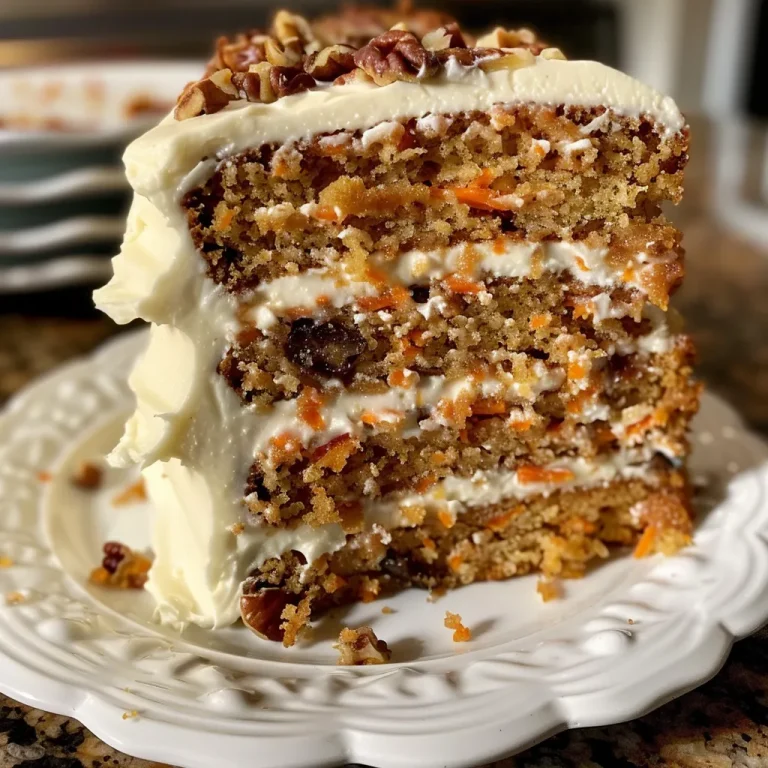
  8. Let the muffins cool in the pan for 5 minutes, then transfer them to a wire rack to cool completely.

Pro Tips for Perfect Muffins

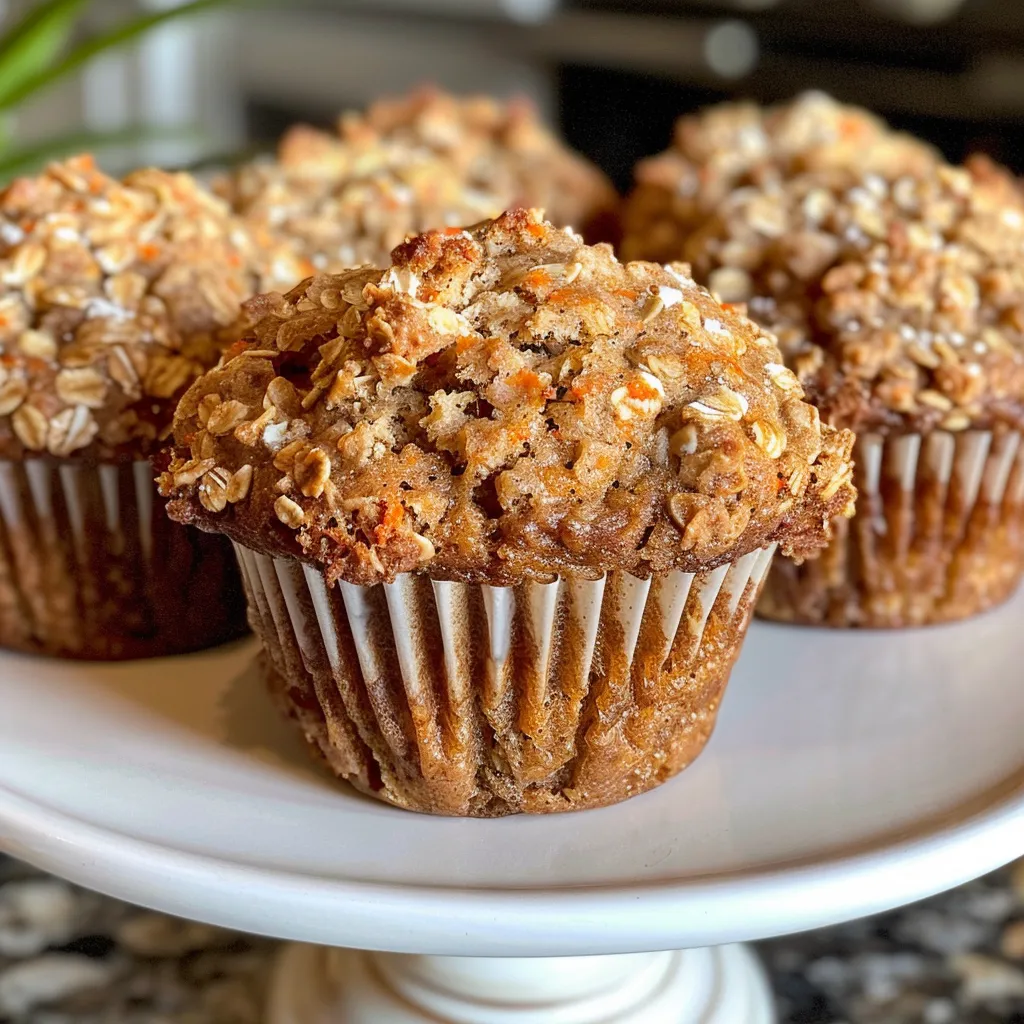
Beautifully presented healthy carrot cake muffins with a rustic charm.
  • Measure accurately: Use a kitchen scale for precision, especially with flour.
  • Don’t overmix: Stir until just combined to keep the muffins tender.
  • Use fresh ingredients: Fresh carrots and spices make a world of difference.
  • Cool properly: Cooling on a rack prevents sogginess.
  • Experiment with add-ins: Nuts, dried fruits, or chocolate chips can enhance flavor.
  • Use room temperature eggs: This helps achieve a better batter consistency.
  • Chill batter: If you have time, chilling the batter for 30 minutes can improve the texture.
  • Check doneness early: Ovens vary, so start checking a few minutes before the suggested time.

Common Mistakes and Troubleshooting

Here are some common pitfalls and how to avoid them:

  • Dry muffins: This can happen from overbaking or too much flour. Always check for doneness a few minutes early.
  • Dense texture: Overmixing can cause this. Remember, a few lumps are fine!
  • Not enough sweetness: Adjust the maple syrup if you prefer sweeter muffins; you can also add a bit of brown sugar.
  • Sticking to the pan: Make sure to grease the muffin tin well or use liners.

Variations to Try

Feel free to get creative with these muffin variations:

  • Nutty Carrot Muffins: Add chopped walnuts or pecans for a crunchy texture.
  • Chocolate Chip Carrot Muffins: Incorporate dark chocolate chips for a sweet twist.
  • Coconut-Carrot Muffins: Mix in shredded coconut for added flavor and texture.
  • Vegan Carrot Muffins: Replace eggs with flax eggs and use plant-based yogurt.

Storage and Make-Ahead Instructions

These muffins are perfect for meal prep! Here’s how to store them:

  • Room Temperature: Store in an airtight container for up to 3 days.
  • Refrigerator: Keep them in an airtight container for up to a week.
  • Freezer: Freeze muffins in a zip-top bag for up to 3 months. Thaw overnight in the refrigerator or at room temperature.

Frequently Asked Questions

Got questions? We’ve got answers!

  • Can I use all-purpose flour instead of whole wheat? Yes, but the flavor and nutrition will differ.
  • Are these muffins gluten-free? They can be made gluten-free by using gluten-free flour and oats.
  • How can I make these muffins sweeter? You can add more maple syrup or include a bit of brown sugar.
  • What can I use instead of Greek yogurt? Plain yogurt or coconut yogurt works well as substitutes.
  • Can I make these muffins vegan? Yes, by using flax eggs and plant-based yogurt.
  • How do I know when they are done baking? They are done when the tops spring back and a toothpick comes out clean.
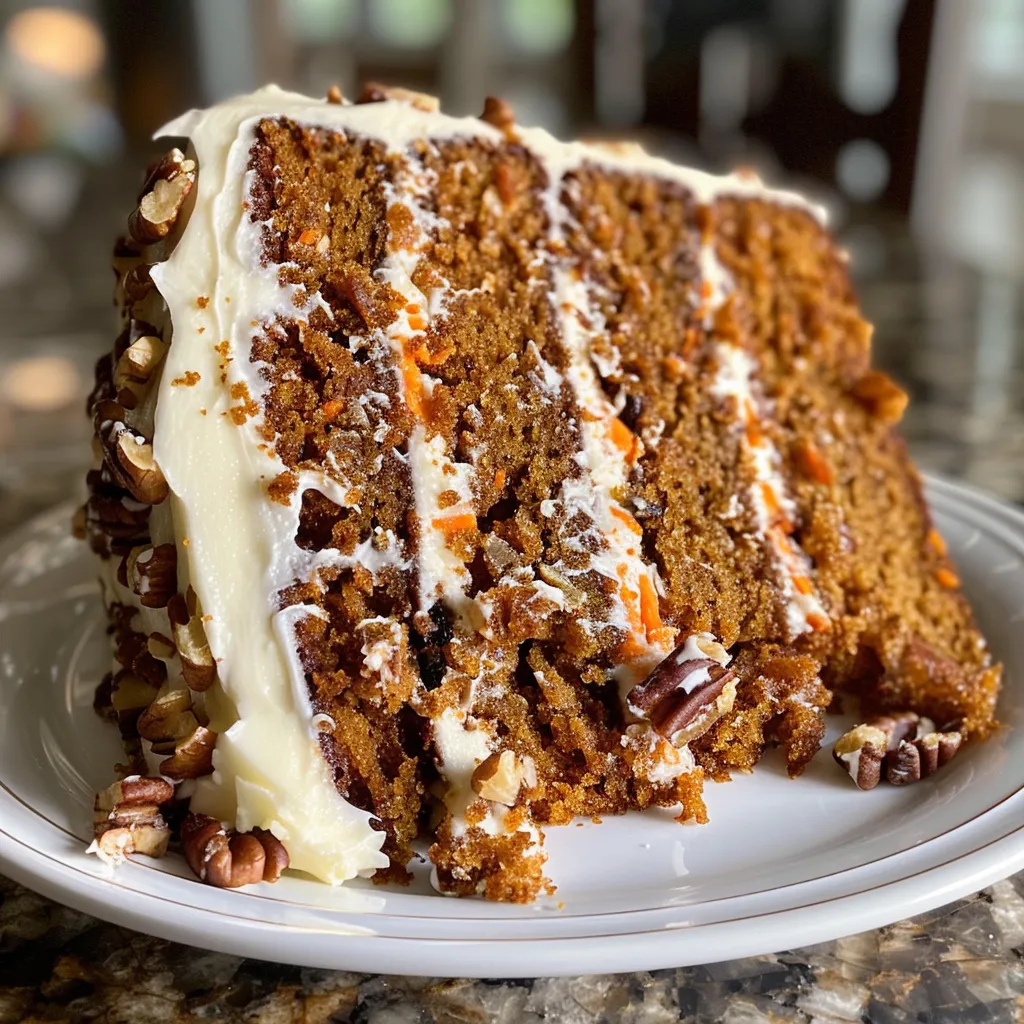
  • Can I add fruit? Absolutely! Diced apples or crushed pineapple can be great additions.
  • How long do these muffins last? They last up to a week in the refrigerator or 3 months in the freezer.

Nutrition Tips and Dietary Adaptations

These muffins are naturally nutritious, but here are some additional tips:

  • Protein boost: Add a scoop of protein powder to your batter for extra nutrition.
  • Lower sugar options: Use unsweetened applesauce instead of maple syrup for less sugar.
  • Increased fiber: Incorporate ground flaxseed for added fiber and nutrients.

Equipment Recommendations

To make your baking experience easier, here are a few tools I recommend:

  • Muffin Tin: A good quality, non-stick muffin tin is essential for easy release.
  • Mixing Bowls: Use large bowls for mixing wet and dry ingredients separately.
  • Measuring Cups and Spoons: Accurate measurements are key to successful baking.
  • Whisk: A sturdy whisk helps mix ingredients evenly.
  • Cooling Rack: This allows muffins to cool evenly and prevents sogginess.

Serving Suggestions

Serve these muffins with a variety of delicious accompaniments:

  • Yogurt: Serve with a dollop of Greek yogurt for added creaminess.
  • Nut Butter: Spread almond or peanut butter for a protein-packed snack.
  • Fruit: Pair with fresh fruit like bananas or berries for a balanced meal.
  • Tea or Coffee: Enjoy with your favorite beverage for a perfect breakfast or snack time!

Conclusion

These Healthy Carrot Cake Muffins are sure to become a favorite in your household. With their wholesome ingredients, delicious flavor, and easy preparation, you’ll find yourself reaching for these muffins time and again. Don’t hesitate to get creative with your variations and enjoy the process of baking! Remember, cooking is all about having fun and experimenting, so let your kitchen adventures begin!

Healthy Carrot Cake Muffins Sweet Treats Recipe

Prep Time 10 minutes
Cook Time 20 minutes
Total Time 30 minutes
Servings 12 muffins
Calories 150
Enjoy these wholesome carrot cake muffins that combine natural sweetness, hearty oats, and warm spices for a delicious and nutritious treat.

Ingredients

Dry Ingredients

  • 1.5 cups Whole Wheat Flour (Adds a nutty depth and wholesome fiber.)
  • 1 cup Old-Fashioned Rolled Oats (Gives a hearty texture.)
  • 1.5 cups Grated Carrots (Natural sweetness and moisture.)
  • 1 tablespoon Baking Soda
  • 1 teaspoon Baking Powder
  • 1 teaspoon Cinnamon
  • 0.5 teaspoon Nutmeg
  • 0.25 teaspoon Ginger (Pinch.)

Wet Ingredients

  • 0.75 cups Greek Yogurt (Keeps muffins moist.)
  • 0.75 cups Applesauce (Keeps muffins moist.)
  • 0.75 cups Pure Maple Syrup (Natural sweetener.)
  • 2 eggs Eggs
  • 1 teaspoon Vanilla Extract

Instructions 

  • Preheat oven to 375°F (190°C). Line a muffin tin.
  • Whisk wet ingredients: yogurt, applesauce, maple syrup, eggs, vanilla.
  • Mix in grated carrots.
  • Add dry ingredients and gently fold until just combined.
  • Divide batter into muffin cups and bake 18-22 minutes.
  • Cool in pan 5 minutes, then transfer to wire rack.

Notes

For best results, do not overmix the batter to keep muffins tender.
Calories: 150kcal
Cost: $15
Course: Breakfast, Snack
Cuisine: American
Keyword: carrot, Healthy, muffins

Kickstart Your Mornings with a Flavorful Mango Protein Smoothie

Are you ready to elevate your breakfast game? This Mango Protein Smoothie is not just a delicious treat; it’s a powerful way to energize your day! Packed with a whopping 30 grams of protein from wholesome ingredients, this smoothie is your go-to solution for busy mornings. Whether you’re rushing out the door or taking a moment to enjoy your breakfast, this recipe is here to make your mornings brighter and healthier.

Why You’ll Love This Recipe

Here are just a few reasons to fall in love with this smoothie:

  • Quick and Easy: In just a few minutes, you can whip up this nutritious smoothie, making it perfect for those hectic mornings.
  • High Protein Boost: With 30 grams of protein, this smoothie helps keep you full, making it ideal for breakfast or a post-workout snack.
  • Flavorful and Creamy: The combination of mango and protein powder creates a deliciously creamy texture that’s rich and satisfying.
  • Nutrient-Packed: Each ingredient is chosen for its health benefits, including collagen peptides for skin and joint health.
  • Customizable: You can easily adapt this recipe to suit your taste preferences or dietary needs!

Ingredients Breakdown

Let’s dive into the ingredients that make this smoothie so special:

  • 1.5 cups Frozen Mango: Sweet and tropical, mango is rich in vitamins A and C. If you don’t have frozen mango, you can use fresh mango, but consider adding ice for a colder texture.
  • 1 cup Unsweetened Soy Milk: A great source of plant-based protein, soy milk also adds creaminess. Almond milk or oat milk are excellent alternatives if you prefer.
  • ½ scoop Truvani Plant-Based Protein (Vanilla): This protein powder adds flavor and protein. You can substitute with any vanilla protein powder you prefer, or try a different flavor for a unique twist!
  • 10 grams Vital Proteins Collagen Peptides: Collagen supports skin, hair, and joint health. If you’re vegan, you can omit this or choose a plant-based collagen alternative.
  • 1 tbsp Fresh Lemon Juice: A splash of citrus brightens the flavor and aids in digestion.
  • ¼ tsp Turmeric Powder (optional): Known for its anti-inflammatory properties, turmeric adds a beautiful color and subtle flavor. You can skip this if you’re not a fan.

How to Make the Perfect Mango Protein Smoothie

Delicious-looking mango protein smoothie on a wooden table.

Follow these simple steps for a smoothie that’s smooth and creamy:

  1. Add the frozen mango, soy milk, protein powder, collagen peptides, lemon juice, and optional turmeric to a high-speed blender.
  2. Blend on high until smooth and creamy. If the consistency is too thick, add a little more soy milk until you reach your desired texture.
  3. Pour into a glass, add a straw, and enjoy immediately for the best flavor and texture!

Pro Tips for Smoothie Perfection

Here are some expert insights to make your smoothie even better:

  • Use a High-Powered Blender: For the smoothest texture, a high-speed blender is essential. It ensures all ingredients are well-blended without any chunks.
  • Adjust Sweetness: If you prefer a sweeter smoothie, consider adding a splash of maple syrup or using a flavored protein powder.
  • Don’t Skip the Lemon Juice: This small addition really brightens the flavor of the smoothie and balances the sweetness of the mango.
  • Experiment with Greens: For added nutrition, toss in a handful of spinach or kale. You won’t taste them, but you will benefit from the nutrients!
  • Chill Your Ingredients: For an extra refreshing smoothie, keep your ingredients chilled, especially if you’re using fresh mango.
  • Blend in Stages: If your blender struggles, blend the liquids first, then add the solids gradually to ensure a smooth blend.
  • Add Extras: Feel free to include extras like chia seeds, flaxseeds, or nut butter for extra nutrition and flavor.
  • Serve Immediately: Smoothies are best enjoyed fresh. If you have leftovers, store them in the fridge, but be aware the texture may change.

Common Mistakes and Troubleshooting

To ensure your smoothie turns out perfectly every time, avoid these common pitfalls:

  • Overloading the Blender: If your blender is too full, it won’t blend properly. Start with liquids, then add solids gradually.
  • Not Enough Liquid: If your smoothie is too thick, it can be hard to blend. Always add enough liquid to help with the blending process.
  • Using Unripe Fruit: Ensure your mango is ripe for the best flavor. An underripe mango can make your smoothie taste less sweet.
  • Skipping Frozen Fruit: Fresh fruit can lead to a thinner consistency. Frozen fruit gives you that thick, creamy texture.
  • Neglecting Taste Adjustments: Always taste your smoothie before serving. Adjust sweetness or acidity as needed.

Variations to Try

Mix things up with these fun variations of your Mango Protein Smoothie:

  • Mango Banana Smoothie: Add 1 ripe banana for extra creaminess and natural sweetness.
  • Berry Fusion: Incorporate ½ cup of mixed berries for a vibrant, antioxidant-packed smoothie.
  • Peanut Butter Bliss: Add 1 tbsp of peanut butter for a nutty flavor and additional protein.
  • Green Mango Smoothie: Blend in a handful of spinach or kale for a nutrient boost without altering the taste.

Storage and Make-Ahead Instructions

Want to prepare your smoothie in advance? Here’s how:

  • Make Ahead: You can prep smoothie packs by portioning out the ingredients (without the liquid) in freezer-safe bags. Just blend with your liquid of choice in the morning!
  • Storage: If you have leftover smoothie, store it in an airtight container in the fridge for up to 24 hours. Shake well before drinking, as separation may occur.
  • Freezing Smoothies: For longer storage, pour your smoothie into ice cube trays. You can blend a few cubes with fresh liquid for a quick smoothie later!

Frequently Asked Questions

Got questions? Here are some common queries about the Mango Protein Smoothie:

  • Can I use fresh mango instead of frozen? Yes! Just add ice to achieve a similar texture.
  • What can I substitute for soy milk? Almond milk, oat milk, or coconut milk are great alternatives.
  • Is this smoothie vegan? Yes, if you use plant-based protein and skip the collagen or use a vegan alternative.
  • Can I add greens to this recipe? Absolutely! Spinach or kale can be blended in without changing the flavor significantly.
  • How much protein does this smoothie contain? This recipe packs 30 grams of protein from the protein powder and soy milk.
  • Can I prepare this smoothie the night before? Yes, but for the best taste and texture, enjoy it fresh.
  • What are the health benefits of collagen peptides? They support skin elasticity, joint health, and muscle recovery.
  • How do I make this smoothie thicker? Use less liquid or add more frozen fruit to achieve the desired thickness.

Nutritional Tips and Dietary Adaptations

This smoothie can be adapted to various dietary needs:

  • High-Protein Option: Increase the protein powder or add Greek yogurt for an even greater protein boost.
  • Low-Carb Variation: Use unsweetened almond milk and reduce the amount of mango.
  • Dairy-Free: The recipe is already dairy-free; just ensure your protein powder is also dairy-free.
  • Nut-Free: Make sure to choose a nut-free protein powder and milk, such as oat milk.

Recommended Equipment

To make the most out of your Mango Protein Smoothie, consider the following equipment:

  • High-Powered Blender: Essential for achieving that smooth, creamy texture.
  • Measuring Cups and Spoons: To ensure accurate ingredient measurements.
  • Spatula: Useful for scraping down the sides of the blender.

Serving Suggestions

Enjoy your smoothie in style:

  • Garnish: Top with a sprinkle of chia seeds or a mint leaf for added visual appeal.
  • Pairings: Serve alongside a slice of whole-grain toast or a handful of nuts for a balanced breakfast.
  • Presentation: Use a clear glass to showcase the vibrant color of your smoothie!

Conclusion

With this Mango Protein Smoothie, you’re not just starting your day; you’re fueling your body with a delicious, nutritious meal. Remember, cooking is about confidence and creativity—don’t hesitate to make this recipe your own! So grab those ingredients, blend away, and enjoy every sip of your energizing smoothie. Happy blending!

Mango Protein Smoothie | 30g Protein & Healthy

Prep Time 5 minutes
Total Time 5 minutes
Servings 1 serving
Calories 250
A delicious and nutritious mango smoothie packed with protein to fuel your day.

Ingredients

Main

  • 1.5 cups Frozen mango
  • 1 cup unsweetened soy milk
  • ½ scoop Truvani plant based protein, vanilla
  • 10 grams Vital Proteins collagen peptides
  • 1 tbsp fresh lemon juice
  • ¼ tsp turmeric powder (optional) (optional)

Instructions 

  • Add the frozen mango, soy milk, protein powder, collagen peptides, lemon juice, and optional turmeric to a high-speed blender.
  • Blend on high until smooth and creamy.
  • Pour into a glass, add a straw, and enjoy immediately.

Notes

Use ripe mango for the best flavor and sweetness.
Calories: 250kcal
Cost: $15
Course: Breakfast, Smoothie
Keyword: Mango, Protein

Warm Up with a Cozy Bowl of Turkish Red Lentil Soup

Welcome to the world of cooking where simplicity meets flavor! If you’re looking for a dish that delivers both warmth and nourishment, you’ve come to the right place. This Turkish Red Lentil Soup is not only easy to make but also packed with wholesome ingredients that transform a simple meal into a delightful experience. Perfect for weeknight dinners or cozy gatherings, this red lentil soup is sure to become a staple in your kitchen.

In this comprehensive guide, we’ll walk you through every step of the process, from selecting the freshest ingredients to pro tips for perfecting your dish. Let’s get started!

Why You’ll Love This Recipe

  • Quick and Easy: With minimal prep and cooking time, this recipe is perfect for busy weeknights.
  • Comfort Food: This soup is a cozy, hearty option that warms you up on chilly days.
  • Nutritious: Packed with protein and fiber from the lentils, it’s a healthy addition to your meal rotation.
  • Versatile: Whether you like it spicy or mild, you can easily customize the flavors to suit your taste.
  • Budget-Friendly: Made with affordable ingredients, it’s a great way to feed a crowd without breaking the bank.

Ingredients for Turkish Red Lentil Soup

Here’s what you’ll need to create this delicious vegetable soup:

  • 2 tablespoons extra virgin olive oil
  • 1 large onion (chopped)
  • 2 carrots (chopped)
  • 1 rib celery (chopped)
  • 3 cloves garlic (minced or grated)
  • 1 teaspoon ground cumin
  • 2 tablespoons tomato paste
  • 2 medium potatoes (peeled and cut into small pieces)
  • 8 cups vegetable broth (add 4 cups at a time if your pot is not big enough)
  • 2 cups split red lentils (dried, not canned)
  • 1½ teaspoons salt
  • 2 twists black pepper
  • 1 lemon (cut into wedges)
  • 1 handful flat-leaf parsley (chopped)
  • Pita bread for serving
  • Chili oil (made with 1 clove garlic, 1 teaspoon red pepper flakes, and 4 tablespoons olive oil)

For substitutions, feel free to use any vegetables you have on hand or try different spices like Aleppo pepper for a unique twist!

Step-by-Step Instructions

Close-up image of Turkish Red Lentil Soup with visible lentils and vegetables.

Let’s dive into the cooking process!

  1. Heat 2 tablespoons of olive oil in a large pot. Add the chopped onion, carrots, and celery and sauté on medium heat for about 4 minutes, stirring often.
  2. Add the minced garlic, ground cumin, and tomato paste. Fry for an additional minute until fragrant.
  3. Add the peeled and chopped potatoes. Then pour in 8 cups of vegetable broth and add the rinsed split red lentils.
  4. Season with salt and black pepper and simmer on medium heat for about 15 to 20 minutes or until the lentils and potatoes are fork-tender.
  5. Blend the soup with an immersion blender until smooth, then taste and adjust for salt.
  6. Serve in a bowl topped with a squeeze of lemon juice, a handful of chopped parsley, and a drizzle of chili oil. To make the chili oil, warm up 4 tablespoons of olive oil or butter in a pan, add red pepper flakes and crushed garlic, and fry for 1 minute on low heat.
  7. For a complete meal, serve with warm pita bread or crusty bread and top it with roasted chickpeas.

Pro Tips for Perfecting Your Soup

  • Texture Matters: If you prefer a chunkier soup, blend only half of it and leave the rest as is.
  • Flavor Boost: For added depth, consider incorporating bay leaves or a dash of smoked paprika.
  • Make It Creamy: Stir in a splash of coconut milk for a rich, creamy finish.
  • Batch Cooking: This soup freezes well, so consider making a double batch for easy meals later.
  • Fresh Herbs: Top with fresh herbs like dill or mint for a refreshing touch.
  • Spice Levels: Adjust the amount of chili oil to your preferred spice level.
  • Cook Time: Always check your lentils—they cook fast and can turn mushy if overcooked.
  • Serving Style: Experiment with different breads or toppings like croutons for added texture.

Common Mistakes and Troubleshooting

Here are some pitfalls to avoid:

  • Overcooking Lentils: Keep an eye on the cooking time to prevent mushiness.
  • Inadequate Seasoning: Don’t hesitate to taste as you go and adjust seasoning accordingly.
  • Skipping the Blend: Blending not only improves the texture but also helps meld the flavors beautifully.

Variations to Try

Feel free to get creative with this recipe:

  • Spicy Variation: Add diced jalapeños or cayenne pepper for a kick.
  • Vegetable Medley: Toss in chopped spinach, kale, or zucchini for added nutrition.
  • Curry Twist: Mix in curry powder or paste for a different flavor profile.
  • Protein Boost: Add cooked chicken or chickpeas for a heartier meal.

Storage and Make-Ahead Instructions

This Turkish lentil soup keeps well in the fridge for up to 5 days. To store:

  • Allow the soup to cool completely before transferring it to an airtight container.
  • For longer storage, freeze it in portions for up to 3 months. Thaw in the fridge overnight before reheating.

Frequently Asked Questions

Here are some common questions about this recipe:

  • Can I use dried lentils instead of canned? Absolutely! This recipe specifically uses dried split red lentils.
  • Is this soup gluten-free? Yes, all the ingredients are naturally gluten-free.
  • Can I make it ahead of time? Yes! This soup actually tastes better the next day as the flavors develop.
  • What can I serve with this soup? It pairs wonderfully with warm pita bread or a simple salad.
  • Can I use a different type of lentil? While split red lentils work best, you can experiment with other varieties, keeping in mind that cook times may vary.
  • How do I reheat this soup? Simply warm it on the stovetop or in the microwave until heated through.
  • Can I add meat to this recipe? Yes, feel free to add cooked chicken or sausage for a heartier option.
  • What’s the best way to store leftovers? Keep the soup in an airtight container in the fridge for up to 5 days, or freeze it for longer storage.

Nutritional Tips and Dietary Adaptations

This Turkish red lentil soup is not only delicious but also nutritious. Here’s why:

  • High Protein Content: Lentils are a great source of plant-based protein, making this soup filling.
  • Rich in Fiber: The soup is packed with fiber, promoting digestive health.
  • Low in Fat: With minimal oil and no heavy cream, it’s a heart-healthy option.

Equipment Recommendations

To make this recipe, you’ll need:

  • Large Pot: For cooking the soup.
  • Immersion Blender: For blending the soup to your desired consistency.
  • Cutting Board and Knife: For chopping your vegetables.

Serving Suggestions

Enjoy your soup as is or elevate your meal with these suggestions:

  • Add a dollop of yogurt or sour cream for creaminess.
  • Serve with a side of toasted bread for dipping.
  • Garnish with roasted chickpeas for added texture and protein.

Cooking can be a joyful experience, and this Turkish Red Lentil Soup is a testament to that. With its rich flavors, comforting warmth, and simple preparation, it’s a dish that anyone can master. So gather your ingredients, follow these easy steps, and enjoy a delightful bowl of soup that nourishes both the body and soul. Happy cooking!

Turkish Red Lentil Soup

Prep Time 10 minutes
Cook Time 20 minutes
Total Time 30 minutes
Servings 4 servings
Calories 350
A hearty and flavorful Turkish red lentil soup perfect for a comforting meal. Easy to prepare with simple ingredients and served with fresh herbs and lemon.

Ingredients

Main ingredients

  • 2 tablespoons extra virgin olive oil
  • 1 large onion (chopped)
  • 2 carrots carrots (chopped)
  • 1 rib celery (chopped)
  • 3 cloves garlic (minced or grated)
  • 1 teaspoon ground cumin
  • 2 tablespoons tomato paste
  • 2 medium potatoes (peeled and cut into small pieces)
  • 8 cups vegetable broth (add 4 cups at a time if needed)
  • 2 cups split red lentils (dried not canned)
  • 1.5 teaspoons salt
  • 2 twists black pepper
  • 1 lemon lemon (cut into wedges)
  • 1 handful flat-leaf parsley (chopped)
  • pita bread pita bread
  • 4 tablespoons olive oil (for chili oil)
  • 1 teaspoon red pepper flakes
  • 1 clove garlic (crushed for chili oil)

Instructions 

  • Sauté chopped onion, carrots, and celery in olive oil for 4 minutes.
  • Add garlic, cumin, and tomato paste; cook for 1 minute until fragrant.
  • Add potatoes, broth, and lentils; simmer for 15-20 minutes until tender.
  • Blend the soup until smooth, then season with salt and pepper.
  • Serve with lemon wedges, parsley, and chili oil. Prepare chili oil by frying garlic, red pepper flakes, and olive oil for 1 minute.

Notes

Adjust seasoning to taste and serve with warm pita bread for a complete meal.
Calories: 350kcal
Cost: $15
Course: Soup
Cuisine: Turkish
Keyword: Lentils

Welcome to Your Carrot Cake Adventure!

Are you ready to embark on a delightful baking journey? This Classic Carrot Cake recipe is not just about creating a delicious dessert; it’s about making memories in the kitchen and experiencing the joy of baking. With its moist texture, aromatic spices, and creamy cheese frosting, this cake is perfect for any occasion—from birthdays to casual family dinners. Let’s dive into the world of flavors and techniques that will make your carrot cake a standout!

Why You’ll Love This Recipe

Here are the top reasons why this carrot cake will become a beloved favorite in your home:

  • Incredible Moisture: The combination of fresh grated carrots and oil ensures that the cake is wonderfully moist, making each slice a delight.
  • Flavorful Spices: With cinnamon and nutmeg, this cake is infused with rich flavors that awaken your taste buds.
  • Versatile Options: You can easily customize this recipe with nuts, raisins, or even pineapple for a delightful twist.
  • Simple Steps: The straightforward instructions make this recipe accessible for bakers of all skill levels.
  • Perfect for Any Occasion: Whether you’re celebrating a birthday or just want a sweet treat, this cake is sure to impress.

Ingredient Breakdown

Let’s explore the ingredients that make this Classic Carrot Cake a hit:

  • All-Purpose Flour: 1 1/2 cups gives the cake structure. You can substitute with a gluten-free blend if necessary.
  • Granulated Sugar: 1 cup adds sweetness, while 1/2 cup brown sugar adds moisture and depth.
  • Baking Powder and Soda: These leavening agents help the cake rise.
  • Spices: 1 teaspoon cinnamon and 1/2 teaspoon nutmeg provide that warm flavor. Feel free to adjust according to your taste.
  • Vegetable Oil: 3/4 cup keeps the cake moist. Olive oil can be a great alternative.
  • Eggs: 3 large eggs bind the ingredients together. For a vegan option, use flax eggs.
  • Vanilla Extract: 1 teaspoon enhances the overall flavor.
  • Grated Carrots: 2 cups is the star ingredient. Freshly grated is best for moisture.
  • Nuts and Raisins: Optional, but they add texture and flavor. You can substitute with dried fruits or omit entirely.
  • Cream Cheese Frosting: Made with 8 oz cream cheese, 1/2 cup butter, and powdered sugar for a rich topping.

Steps to Perfect Your Cake

Delicious Classic Carrot Cake slice, featuring visible raisins and nuts in the layers.

Now, let’s get baking with these clear and simple steps:

  1. Preheat your oven to 350°F (175°C). Grease and flour two 8-inch round cake pans or line with parchment paper.
  2. In a large mixing bowl, combine the flour, granulated sugar, brown sugar, baking powder, baking soda, salt, cinnamon, and nutmeg. Stir until well blended.
  3. In another bowl, whisk together the vegetable oil, eggs, and vanilla extract until smooth. Gradually mix this into the dry ingredients until just combined.
  4. Gently fold in the grated carrots, ensuring they are evenly distributed. If desired, add in the nuts or raisins.
  5. Divide the batter evenly between the prepared pans. Bake for 25-30 minutes, or until a toothpick comes out clean from the center.
  6. Let the cakes cool in the pans for 10 minutes, then transfer to a wire rack to cool completely.
  7. While cooling, prepare the cream cheese frosting. Beat the softened butter and cream cheese together until creamy. Gradually add powdered sugar, mixing until light and fluffy. Stir in vanilla.
  8. Once the cakes are completely cool, place one layer on a serving plate. Spread frosting on top, then add the second layer, frosting the top and sides.
  9. Slice and serve at room temperature. Enjoy your delicious creation!

Pro Tips for Success

To elevate your baking experience, consider these expert insights:

  • Fresh Ingredients: Use fresh, high-quality ingredients for the best flavor and texture.
  • Don’t Overmix: Mix until just combined to ensure a light and fluffy cake.
  • Grate Your Own Carrots: Freshly grated carrots retain moisture better than pre-packaged ones.
  • Test for Doneness: Use a toothpick to check if the cake is done; it should come out clean.
  • Cool Completely: Ensure the cake layers are fully cooled before frosting to prevent melting.
  • Adjust Spices: Feel free to modify spice levels according to your taste preferences.
  • Storage Tip: Keep leftovers in an airtight container to maintain moisture.
  • Frosting Variations: Experiment with flavored extracts or add lemon zest for a refreshing twist.

Common Mistakes and Troubleshooting

If you encounter any hiccups while baking, here are some common mistakes and how to fix them:

  • Dry Cake: This can happen from overbaking or too much flour. Ensure you measure correctly and keep an eye on baking time.
  • Dense Texture: Overmixing the batter can lead to a heavy cake. Mix gently!
  • Frosting Too Runny: If your frosting is too soft, add more powdered sugar until you reach the desired consistency.
  • Cake Sticking to Pans: Proper greasing or using parchment paper can prevent sticking.

Delicious Variations to Try

Want to switch things up? Here are some fun variations of the classic recipe:

  • Pineapple Carrot Cake: Add 1 cup of crushed pineapple for extra moisture and flavor.
  • Vegan Carrot Cake: Substitute eggs with flax eggs and use dairy-free cream cheese for frosting.
  • Carrot Cake Muffins: Use the same batter but bake in muffin tins for delightful individual servings.
  • Spiced Carrot Cake: Add a pinch of cloves or ginger for an extra kick of flavor.

Storage and Make-Ahead Instructions

Planning ahead? Here’s how to store your cake:

  • Room Temperature: Store covered at room temperature for up to 3 days.
  • Refrigeration: Keep in the fridge for up to a week—make sure it’s well covered to prevent drying out.
  • Freezing: You can freeze the un-frosted cake layers for up to 3 months. Wrap them tightly in plastic wrap and foil.
  • Make-Ahead: Bake the cake layers a day ahead and frost just before serving for optimal freshness!

Frequently Asked Questions

Here are some common questions about baking this delightful carrot cake:

  • Can I use whole wheat flour? Yes, you can substitute half of the all-purpose flour with whole wheat for a healthier option.
  • What can I use instead of eggs? Flax eggs or applesauce are excellent substitutes for binding.
  • How do I make the frosting gluten-free? All the ingredients for the cream cheese frosting are naturally gluten-free.
  • Can I add other fruits or nuts? Absolutely! Feel free to experiment with different additions like coconut or chopped apples.
  • Is this cake suitable for freezing? Yes, the cake freezes beautifully; just be sure to wrap it well.
  • How long does this cake last? It stays fresh for about a week in the fridge and can be frozen for up to 3 months.
  • What’s the best way to serve it? Serve at room temperature for the best texture and flavor.
  • Can I make this cake vegan? Yes, simply replace the eggs and butter as mentioned previously!

Nutritional Tips and Dietary Adaptations

If you’re looking to adapt this recipe for dietary needs, here are some tips:

  • Lower Sugar: You can reduce the sugar by 1/4 cup or use a natural sweetener like honey or maple syrup.
  • Gluten-Free: Use a 1:1 gluten-free baking blend for a gluten-free version.
  • Dairy-Free: Replace cream cheese with a dairy-free alternative and use coconut cream for frosting.
  • Low-Fat Version: Substitute half the oil with unsweetened applesauce for a lighter cake.

Equipment Recommendations

To make your baking experience smooth, consider using the following tools:

  • Mixing Bowls: A set of various-sized bowls will help with ingredient preparation.
  • Measuring Cups and Spoons: Accurate measurements are crucial for baking success.
  • Two 8-Inch Cake Pans: Essential for baking even layers.
  • Electric Mixer: A hand mixer or stand mixer will make frosting preparation effortless.
  • Cooling Rack: Allows cakes to cool evenly, preventing sogginess.

Serving Suggestions

Elevate your cake experience with these serving ideas:

  • Garnish with Nuts: Sprinkle chopped walnuts or pecans on top of the frosting for added crunch.
  • Pair with Tea or Coffee: A cup of tea or coffee complements the cake beautifully.
  • Fresh Fruit: Serve with a side of fresh fruit for a bright, refreshing contrast.
  • Ice Cream: A scoop of vanilla ice cream makes for a delicious pairing with warm cake.

Your Baking Journey Awaits!

Now that you have all the tools to create the most delightful Classic Carrot Cake, it’s time to roll up your sleeves and get baking! Remember, cooking is about enjoying the process and creating flavors that bring joy to you and your loved ones. I can’t wait to hear how your cake turns out—happy baking!

Classic Carrot Cake

Prep Time 30 minutes
Cook Time 30 minutes
Total Time 1 hour
Servings 12 pieces
Calories 450
A moist and flavorful carrot cake topped with creamy cream cheese frosting, perfect for any celebration.

Ingredients

Dry ingredients

  • 1 1/2 cups all-purpose flour
  • 1 cup granulated sugar
  • 1/2 cup brown sugar, packed
  • 1 teaspoon baking powder
  • 1 teaspoon baking soda
  • 1/2 teaspoon salt
  • 1 teaspoon ground cinnamon
  • 1/2 teaspoon ground nutmeg

Wet ingredients

  • 3/4 cup vegetable oil
  • 3 large eggs
  • 1 teaspoon vanilla extract

Carrots and optional mix-ins

  • 2 cups grated carrots
  • 1/2 cup chopped walnuts or pecans (optional) (optional)
  • 1/2 cup raisins (optional) (optional)

Frosting ingredients

  • 1/2 cup unsalted butter, softened
  • 8 oz cream cheese, softened
  • 4 cups powdered sugar
  • 1 teaspoon vanilla extract

Instructions 

  • Preheat oven to 350°F (175°C). Grease and flour two 8-inch pans.
  • Mix dry ingredients in a bowl. Whisk wet ingredients separately.
  • Combine wet and dry, fold in carrots and optional mix-ins. Divide batter into pans.
  • Bake for 25-30 minutes, cool completely. Prepare frosting while cooling.
  • Layer cakes with frosting, then frost top and sides. Slice and serve.

Notes

Ensure cakes are completely cooled before frosting to prevent melting.
Calories: 450kcal
Cost: $15
Course: Dessert
Cuisine: American
Keyword: cake, carrot

Welcome to the world of cooking where flavor meets simplicity! If you’ve been searching for a quick yet delightful meal, look no further. This shrimp pasta is not only easy to prepare but is also packed with rich flavors that will leave your taste buds dancing. Whether it’s a busy weeknight or a special occasion, you can whip up this delicious dish in just 30 minutes. Let’s dive into this culinary adventure!

Why You’ll Love This Recipe

  • Quick preparation: This shrimp pasta can be on your table in just 30 minutes, making it a perfect choice for those hectic evenings.
  • Simple ingredients: With a handful of pantry staples and fresh shrimp, you can create a restaurant-quality dish at home.
  • Versatile dish: You can customize this recipe with your favorite vegetables or spices, making it adaptable to your taste preferences.
  • Flavor-packed: The combination of garlic, parmesan, and cream creates a rich sauce that elevates the dish, ensuring each bite is full of flavor.
  • Impressive presentation: The vibrant colors of the shrimp and fresh parsley make this pasta not just delicious but visually appealing as well.

Ingredients Breakdown

Here’s what you’ll need to make this fantastic shrimp pasta:

  • 8 ounces linguine noodles: Linguine holds the sauce beautifully, but feel free to swap with your favorite pasta.
  • 1 tablespoon olive oil: This adds flavor while ensuring your shrimp don’t stick to the pan.
  • 1 ½ tablespoons butter: Butter enriches the sauce, adding a creamy texture.
  • 1 pound raw shrimp: Fresh, peeled, and deveined shrimp will give you the best results.
  • ½ teaspoon salt: Enhances all the flavors in your dish.
  • ¼ teaspoon black pepper: Adds a subtle kick to the recipe.
  • 1 tablespoon Old Bay seasoning: This iconic seasoning enhances the shrimp’s natural flavor; feel free to substitute with smoked paprika or Cajun spices.
  • 1 minced garlic clove: Fresh garlic takes this dish to the next level with its aromatic qualities.
  • ½ cup heavy cream: Adds richness and creaminess to the sauce.
  • ½ cup grated parmesan cheese: A must for that cheesy goodness that complements the shrimp.
  • ¼ cup fresh parsley, chopped: For a fresh touch and vibrant color.

Pro Tips for Perfect Shrimp Pasta

  • Freshness matters: Always opt for fresh shrimp when possible. They make a significant difference in taste and texture.
  • Don’t overcook the shrimp: Cook until they turn pink and opaque, about 2-3 minutes per side, to ensure tenderness.
  • Use a large skillet: This gives you room to toss the pasta and shrimp together without making a mess.
  • Reserve pasta water: Save a cup of the starchy water before draining your pasta; it can help thicken your sauce if needed.
  • Season well: Taste and adjust seasoning as you go; the flavors should be bold and balanced.
  • Garnish generously: A sprinkle of parsley or extra parmesan can elevate the dish’s presentation.
  • Add veggies: Consider adding spinach, cherry tomatoes, or bell peppers for added nutrition and color.
  • Make it spicy: If you enjoy heat, throw in some red pepper flakes when cooking the shrimp.
  • Serve immediately: This dish is best enjoyed fresh, so serve it right after mixing everything together.

Common Mistakes and Troubleshooting

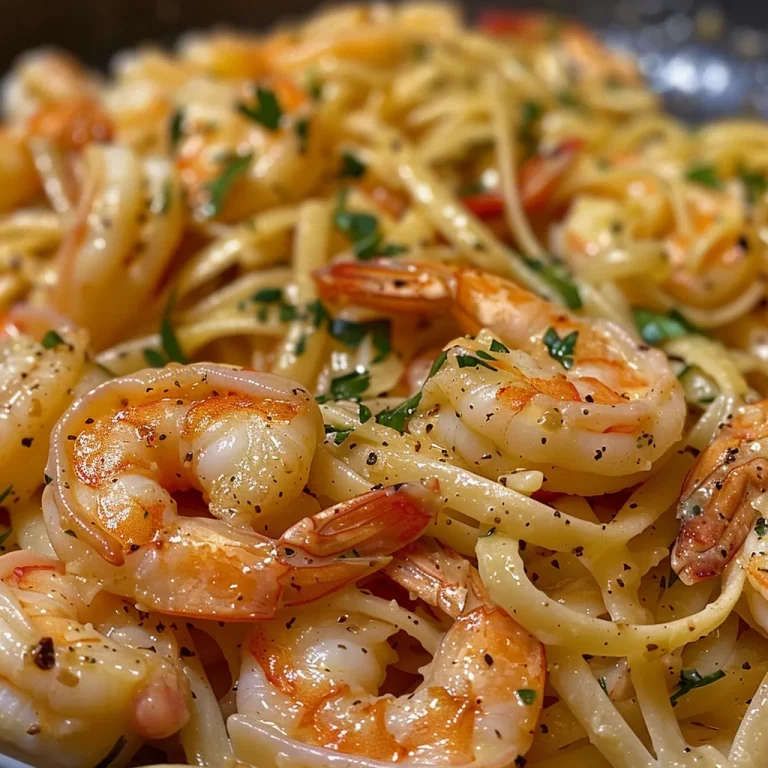
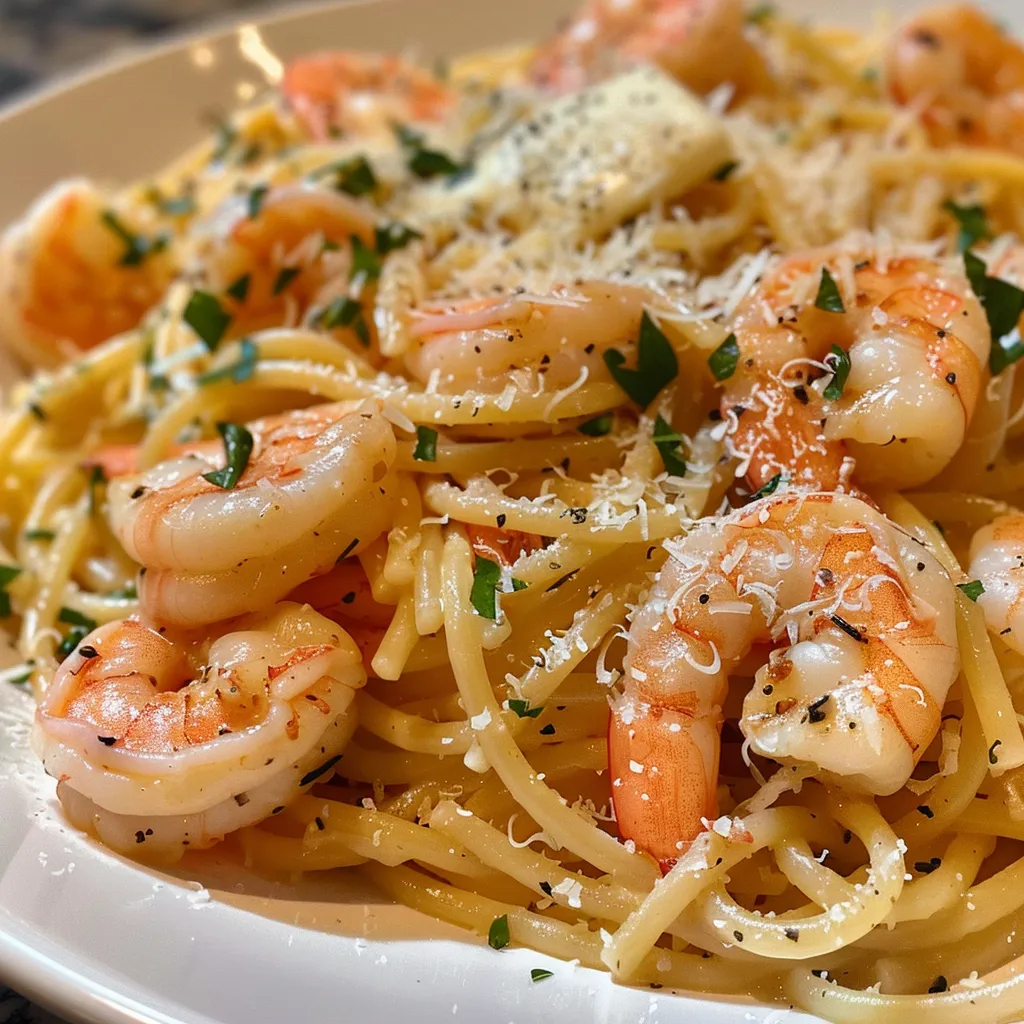
Appetizing plate of shrimp linguine, highlighting plump shrimp and creamy sauce.

Even the best cooks can face challenges. Here are some common pitfalls and how to avoid them:

  • Overcooked shrimp: Watch the cooking time closely; shrimp cook quickly and can become rubbery if overdone.
  • Sauce too thin: If your sauce is not thick enough, let it simmer longer or add a bit of the reserved pasta water.
  • Pasta sticking together: Make sure to stir the pasta while it cooks and toss it with olive oil after draining to prevent clumping.
  • Not enough flavor: Adjust seasoning before serving; don’t be afraid to add more salt, pepper, or spices.

Variations to Try

Feel free to make this shrimp pasta your own! Here are a few variations you can explore:

  • Garlic Butter Shrimp Pasta: Replace the cream with extra butter and garlic for a lighter, garlicky flavor.
  • Spicy Cajun Shrimp Pasta: Add Cajun seasoning and a dash of hot sauce for a fiery kick.
  • Lemon Garlic Shrimp Pasta: Incorporate lemon juice and zest to brighten the flavors.
  • Mediterranean Shrimp Pasta: Toss in olives, sun-dried tomatoes, and feta cheese for a Mediterranean twist.

Storage and Make-Ahead Instructions

This shrimp pasta is best enjoyed fresh, but you can certainly make it ahead of time:

  • Refrigeration: Store any leftovers in an airtight container in the fridge for up to 2 days.
  • Reheating: Gently reheat on the stovetop, adding a splash of water or cream to revive the sauce.
  • Make-ahead tips: You can prep the shrimp and sauce in advance, then cook the pasta and combine everything just before serving.

Frequently Asked Questions

  • Can I use frozen shrimp? Yes, just make sure to thaw them properly before cooking.
  • What pasta can I use instead of linguine? Any pasta shape works! Fettuccine, spaghetti, or penne are great alternatives.
  • Is this dish gluten-free? Use gluten-free pasta for a gluten-free version.
  • How can I make it dairy-free? Substitute heavy cream with coconut cream and omit the cheese.
  • Can I add vegetables? Absolutely! Spinach, asparagus, or zucchini can enhance the dish.
  • What can I serve with shrimp pasta? A light salad or garlic bread pairs perfectly with this meal.
  • How long does it take to make? This dish is quick; you can have it ready in under 30 minutes.
  • Can I prepare the sauce ahead of time? Yes, the sauce can be made ahead and reheated when ready to serve.

Nutrition Tips and Dietary Adaptations

Making your shrimp pasta healthier is easy with a few tweaks:

  • Whole grain pasta: Swap regular pasta for whole grain or legume-based pasta for added fiber.
  • Low-fat dairy: Use low-fat cream or yogurt in place of heavy cream to lighten the dish.
  • Add greens: Toss in spinach or kale for extra nutrients without altering the flavor.

Equipment Recommendations

To make this shrimp pasta, you’ll need:

  • Large skillet: For sautéing shrimp and combining the sauce.
  • Pot for boiling pasta: A large pot helps cook pasta evenly.
  • Measuring cups and spoons: For precise ingredient measurements.
  • Colander: To drain the pasta efficiently.

Serving Suggestions

To elevate your meal:

  • Garnish: Top with extra parmesan and chopped parsley for a fresh finish.
  • Pair with wine: A chilled white wine or sparkling water complements the dish beautifully.
  • Serving style: Present in a large bowl for a family-style meal or plate individually for a more formal setting.

In conclusion, this effortless shrimp pasta recipe is a perfect blend of simplicity, flavor, and elegance. With just a few ingredients and some easy steps, you can create a meal that impresses family and friends alike. So grab your apron, and let’s get cooking—your next delicious dinner awaits!

Flavorful Shrimp Pasta

Prep Time 10 minutes
Cook Time 15 minutes
Total Time 25 minutes
Servings 4 servings
Calories 550
A delicious and creamy shrimp pasta dish packed with flavor and perfect for a quick dinner.

Ingredients

Pasta

  • 8 ounces linguine noodles
  • 1 tablespoon olive oil
  • 1.5 tablespoons butter (used in parts)

Shrimp

  • 1 pound raw shrimp (frozen, peeled, and deveined)
  • 1/2 teaspoon salt
  • 1/4 teaspoon black pepper
  • 1 tablespoon old bay seasoning (or substitute with smoked paprika or cajun spices)
  • 1 clove minced garlic
  • 1/2 cup heavy cream (also known as double cream in the UK)
  • 1/2 cup grated parmesan cheese
  • 1/4 cup fresh parsley (chopped)

Instructions 

  • Cook the linguine noodles according to package instructions. Drain and set aside.
  • In a large skillet, heat olive oil and sauté garlic until fragrant. Add shrimp, season with salt, pepper, and Old Bay seasoning. Cook until pink and cooked through.
  • Reduce heat and stir in heavy cream and Parmesan cheese. Cook until the sauce thickens slightly.
  • Add cooked pasta and chopped parsley to the sauce. Toss to combine and serve hot.

Notes

For extra flavor, sprinkle additional parsley or grated cheese before serving.
Calories: 550kcal
Cost: $15
Course: Main Course
Cuisine: Italian
Keyword: shrimp

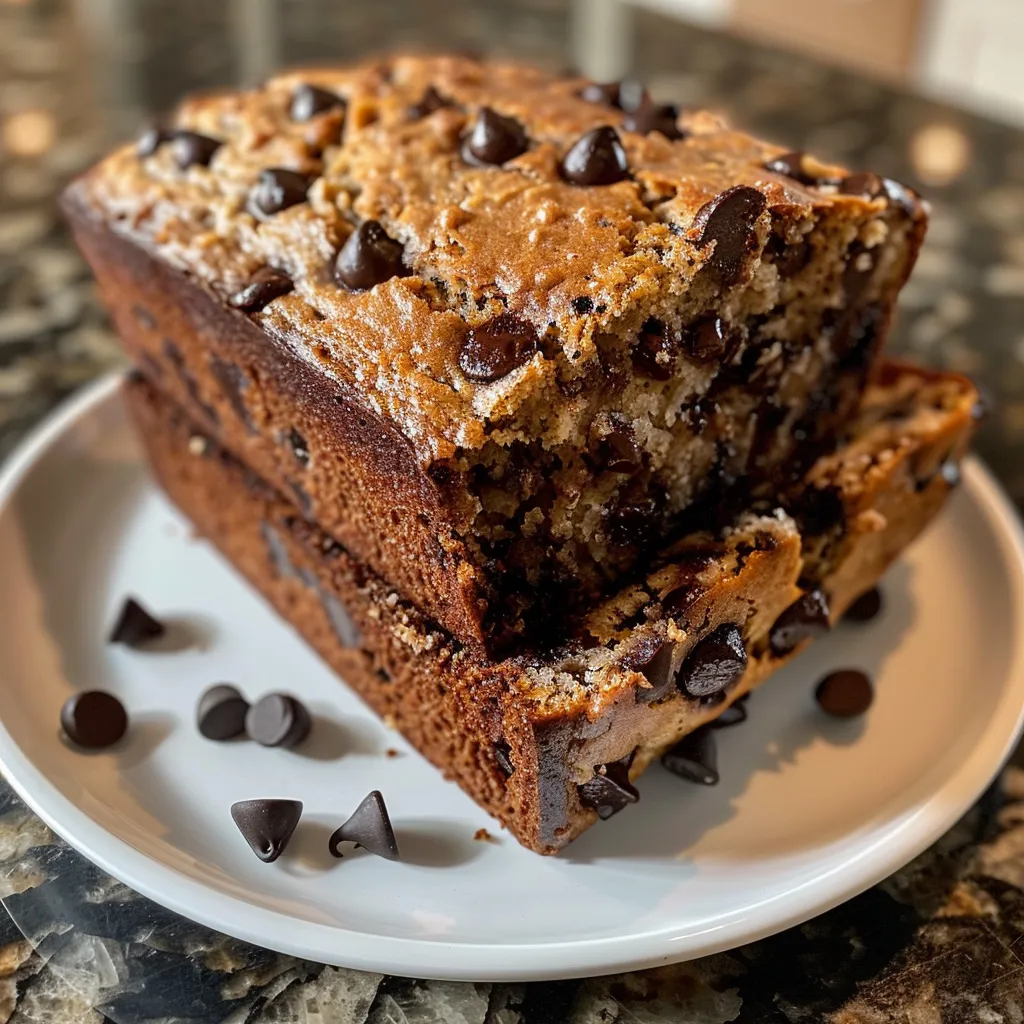
Discover the Delight of Mini Chocolate Chip Banana Bread

Welcome to the delicious world of baking! If you love banana bread and chocolate, you’re in for a treat with our delightful Mini Chocolate Chip Banana Bread. This recipe is not just about combining two ingredients; it’s about creating moist, flavorful mini loaves that are perfect for sharing, snacking, or enjoying as a sweet breakfast treat. In this comprehensive guide, we’ll walk you through everything you need to know about making these scrumptious mini loaves—from ingredients to expert tips, and variations to troubleshoot common mistakes. Let’s dive in and discover why this recipe will become your new favorite!

Why You’ll Love This Recipe

Here are just a few reasons why our Mini Chocolate Chip Banana Bread is a must-try:

  • Perfect size: Mini loaves are ideal for portion control, making them great for sharing or enjoying one at a time.
  • Easy to make: With simple steps and readily available ingredients, you can whip these up in no time, even on a busy day!
  • Customizable: Feel free to experiment with different add-ins or substitutions to make this recipe your own.
  • Moist and flavorful: The combination of ripe bananas and melted butter ensures a moist texture, enhanced with rich chocolate chips.
  • Freezer-friendly: These mini loaves freeze beautifully, making them a convenient treat to have on hand for unexpected guests or cravings.

Ingredients You’ll Need

To make our Mini Chocolate Chip Banana Bread, gather the following ingredients:

  • 3–4 ripe bananas: About 1 ½ cups mashed. The riper, the better for natural sweetness!
  • 1 ¾ cups all-purpose flour: This forms the base of your batter.
  • ¾ cup granulated sugar: Adds sweetness; you can adjust this to taste.
  • 1 tsp baking soda: Provides the rise.
  • ½ tsp salt: Enhances flavor.
  • ½ tsp ground cinnamon: Adds warmth and depth.
  • 2 large eggs: Binds the ingredients and adds richness.
  • ½ cup unsalted butter, melted: For moisture and flavor.
  • 1 tsp vanilla extract: A key flavor enhancer.
  • 1 cup semi-sweet chocolate chips: The star ingredient that makes this bread irresistible!
  • ¼ cup milk (optional): For added moisture, especially if using less ripe bananas.

Substitutions

  • Flour: For a gluten-free option, use a 1:1 gluten-free flour blend.
  • Butter: Substitute with coconut oil or vegetable oil for a dairy-free version.
  • Eggs: Replace with flax eggs (1 tbsp flaxseed meal + 2.5 tbsp water per egg) for a vegan alternative.
  • Chocolate chips: Use dark chocolate or white chocolate chips for a different flavor profile.

How to Make Mini Chocolate Chip Banana Bread

Detailed view of chocolate chip banana bread displaying a soft, moist texture.

Follow these simple steps to create your mini loaves:

  1. Preheat your oven: Set it to 350°F (175°C). Grease an eight-slot mini loaf pan with butter or non-stick spray. Alternatively, line each slot with parchment paper for easy removal.
  2. Mash the bananas: In a bowl, mash the ripe bananas until smooth. Set aside.
  3. Mix the dry ingredients: In a large mixing bowl, whisk together flour, sugar, baking soda, salt, and cinnamon. Ensure there are no lumps for a smooth batter.
  4. Combine the wet ingredients: In a separate bowl, beat the eggs. Add melted butter, mashed bananas, and vanilla extract. If using milk, stir it in now. Mix until well combined.
  5. Make the batter: Pour the wet ingredients into the dry ingredients. Stir gently with a spatula until just combined. Avoid overmixing to keep the bread tender. Fold in the chocolate chips for even distribution.
  6. Fill the loaf pans: Divide the batter evenly among the eight mini loaf slots. Fill each slot about two-thirds full to allow room for rising. Smooth the tops with a spatula for a polished look.
  7. Bake: Place the mini loaf pan in the preheated oven. Bake for 20–25 minutes. Check for doneness by inserting a toothpick into the center of a loaf; it should come out clean or with a few moist crumbs. If the tops brown too quickly, cover them loosely with foil.
  8. Cool: Let the loaves cool in the pan for 10 minutes. Transfer to a wire rack to cool completely. If you used parchment paper, lift the loaves out gently.

Pro Tips for Perfect Mini Loaves

  • Use ripe bananas: The more overripe the bananas, the sweeter and more flavorful your bread will be.
  • Don’t overmix: Stir until just combined to prevent dense bread.
  • Check doneness early: Ovens vary; start checking a few minutes before the recommended time.
  • Cool completely: Allow the loaves to cool fully for the best texture when slicing.
  • Double the recipe: If you’re making these for a crowd, it’s easy to double the ingredients and bake two pans at once!
  • Experiment with flavors: Try adding nuts or dried fruit for added texture and flavor.
  • Store properly: Keep loaves in an airtight container to maintain moisture.
  • Use a toothpick: Test for doneness in the center of multiple loaves to ensure even baking.

Common Mistakes and Troubleshooting

Here’s how to avoid common pitfalls when making your mini loaves:

  • Overmixing: This can lead to tough bread. Mix just until combined.
  • Underbaking: If the toothpick comes out wet, give it a few more minutes in the oven.
  • Not using ripe bananas: Unripe bananas can result in a less sweet and flavorful loaf.
  • Skipping the cooling step: Slicing too soon can cause the bread to crumble.

Variations to Try

If you want to switch things up, here are some fun variations to consider:

  • Nutty Banana Bread: Add ½ cup of chopped walnuts or pecans for a crunchy texture.
  • Banana Chocolate Swirl: Alternate layers of chocolate batter by mixing cocoa powder into half of the batter.
  • Spiced Banana Bread: Add nutmeg or pumpkin spice for a seasonal twist.
  • Fruit-Filled Loaves: Incorporate blueberries or strawberries along with the chocolate chips for a fruity flair.

Storage and Make-Ahead Instructions

These mini loaves are perfect for make-ahead baking:

  • Room Temperature: Store cooled mini loaves in an airtight container for up to 3 days.
  • Refrigerator: For longer freshness, store in the fridge for up to a week.
  • Freezer: Wrap each mini loaf tightly in plastic wrap and foil, then freeze for up to 3 months. Thaw at room temperature when ready to enjoy.

FAQs about Mini Chocolate Chip Banana Bread

Got questions? Here are some frequently asked questions:

  • Can I use frozen bananas? Yes! Just thaw and mash them before using.
  • How can I make this recipe dairy-free? Substitute butter with coconut oil and omit the milk or use a dairy-free alternative.
  • Can I make this recipe without eggs? Yes, use flax eggs or applesauce as a binder.
  • What can I add for extra flavor? Consider adding a pinch of nutmeg or a dash of almond extract for a unique twist.
  • Can I use a regular loaf pan? Absolutely! Just adjust the baking time to 50-60 minutes.
  • How do I know when my banana bread is done? A toothpick inserted into the center should come out clean or with a few moist crumbs.
  • What if my batter is too thick? Add a splash of milk until you reach the desired consistency.
  • Can I make mini loaves without chocolate chips? Certainly! You could try dried fruit or nuts instead.

Nutritional Tips and Dietary Adaptations

Want to make this recipe healthier? Here are some nutritional tips:

  • Reduce sugar: Cut the sugar by ¼ cup for a less sweet version.
  • Add whole grains: Substitute half of the all-purpose flour with whole wheat flour for added nutrition.
  • Use less fat: Replace half of the butter with unsweetened applesauce to lower calorie content.

Essential Equipment for Baking

Before you start baking, ensure you have the right tools:

  • Mini loaf pan: Necessary for creating those adorable mini loaves.
  • Mixing bowls: A set of mixing bowls in various sizes is essential for combining ingredients.
  • Measuring cups and spoons: Accurate measurements ensure consistent results.
  • Spatula: Perfect for folding ingredients and scraping down the sides of your bowls.
  • Wire rack: Ideal for cooling your mini loaves evenly after baking.

Serving Suggestions

Here’s how to enjoy your mini loaves:

  • Warm and fresh: Serve warm right out of the oven for a comforting treat.
  • With butter: Spread a little butter on each slice for added richness.
  • With tea or coffee: Enjoy these mini loaves with your favorite hot beverage for a delightful snack.
  • As a gift: Wrap them in decorative foil and give them as sweet homemade gifts!

Conclusion

Now that you have the ultimate guide to making Mini Chocolate Chip Banana Bread, it’s time to hit the kitchen! With simple ingredients, easy steps, and the joy of baking, you’re sure to impress your family and friends with these delightful mini loaves. Remember, the secret to great banana bread lies in the bananas—so don’t be afraid to let them get nice and ripe! Happy baking, and enjoy every delicious bite!

Mini Loaves Chocolate Chip Banana Bread

Prep Time 10 minutes
Cook Time 25 minutes
Total Time 35 minutes
Servings 8 loaves
Calories 250
A delicious and moist banana bread with chocolate chips, perfect for mini loaves and easy to make.

Ingredients

Bananas

  • 3–4 pieces ripe bananas (about 1 ½ cups mashed)
  • 1 ¾ cups all-purpose flour
  • ¾ cup granulated sugar
  • 1 tsp baking soda
  • ½ tsp salt
  • ½ tsp ground cinnamon
  • 2 large eggs
  • ½ cup unsalted butter, melted
  • 1 tsp vanilla extract
  • 1 cup semi-sweet chocolate chips
  • ¼ cup milk (optional, for extra moisture)

Instructions 

  • Preheat oven to 350°F (175°C). Grease mini loaf pan or line with parchment.
  • Mash bananas until smooth. Mix dry ingredients in a bowl.
  • Beat eggs, add melted butter, bananas, vanilla, and milk. Combine.
  • Mix wet into dry, fold in chocolate chips. Fill mini loaf slots two-thirds full.
  • Bake for 20–25 minutes. Cool in pan 10 minutes, then transfer to wire rack.

Notes

For extra moisture, add a splash of milk to the batter.
Calories: 250kcal
Cost: $15
Course: Dessert
Cuisine: American
Keyword: Banana, chocolate chips

Welcome to your new favorite weeknight dinner! The Ground Beef and Quinoa Bowl is a versatile, nutritious dish that combines lean protein with fiber-packed quinoa and colorful vegetables. In this guide, I’ll walk you through how to make this delicious recipe that’s perfect for busy nights, all while keeping it easy and approachable. Let’s dive in!

Why You’ll Love This Recipe

This ground beef and quinoa bowl isn’t just another meal—it’s a complete experience. Here are five reasons why you’ll adore this dish:

  • Quick and Easy: With only a handful of ingredients and simple steps, you can have dinner ready in under 30 minutes.
  • Nutritious Powerhouse: Packed with protein from the ground beef and essential nutrients from quinoa and veggies, this bowl fuels you for the day.
  • Customizable: You can easily adapt the recipe to fit your taste preferences or dietary needs, making it a hit for everyone.
  • Meal Prep Friendly: This dish stores well, making it ideal for meal prep, leftovers, or quick reheats throughout the week.
  • Flavorful and Satisfying: The combination of spices and fresh ingredients creates a wonderfully satisfying meal that keeps you coming back for more.

Ingredients You’ll Need

To whip up your ground beef and quinoa bowl, you’ll need the following ingredients. Don’t worry if you don’t have everything on hand—substitutions are easy!

  • 1 lb lean ground beef: Opt for 85% lean for a balance of flavor and health.
  • 1 cup dry quinoa: Rinse it well before cooking to remove bitterness.
  • 2 cups water: Necessary for cooking quinoa.
  • 1 tbsp olive oil: Adds a rich flavor when sautéing.
  • 1 small onion, chopped: Provides sweetness and depth.
  • 2 cloves garlic, minced: For aromatic goodness.
  • 1 bell pepper, chopped: Adds color and crunch.
  • Salt and black pepper to taste: Essential for seasoning.
  • 1 tsp paprika or cumin: Adds a warm, earthy flavor.
  • Fresh herbs for topping: Such as parsley or cilantro for a fresh finish.

Ingredient Substitutions

If you’re missing any of the ingredients, here are some easy substitutions:

  • Ground Turkey or Chicken: For a leaner option, swap out ground beef.
  • Vegetable Broth: Use broth instead of water for added flavor when cooking quinoa.
  • Any Veggies You Have: Feel free to include zucchini, corn, or spinach based on what’s in your fridge.
  • Quinoa Variants: Try red or black quinoa for a different texture and flavor.

Step-by-Step Cooking Instructions

Side angle of a delicious bowl filled with ground beef, quinoa, and mixed vegetables.

Now that you have your ingredients ready, let’s get cooking! Follow these simple steps for a delicious ground beef and quinoa bowl:

  1. Rinse the quinoa under cold water in a fine mesh strainer until the water runs clear.
  2. In a medium saucepan, combine rinsed quinoa and water. Bring to a boil, then reduce to a simmer, cover, and cook for about 15 minutes or until quinoa is fluffy. Remove from heat and let it sit, covered, for 5 minutes.
  3. While the quinoa is cooking, heat olive oil in a large skillet over medium heat.
  4. Add chopped onion and sauté until soft, about 3-4 minutes. Then, stir in the minced garlic and chopped bell pepper, cooking for another 2-3 minutes.
  5. Add the ground beef to the skillet, breaking it apart with a spatula. Cook until browned and no longer pink, about 5-7 minutes.
  6. Season the mixture with salt, black pepper, and paprika or cumin. Stir well to combine.
  7. Once the quinoa is ready, fluff it with a fork and add it to the beef and vegetable mixture. Stir everything together until well mixed.
  8. Serve warm, topped with fresh herbs and any additional toppings you desire.

Pro Tips for Best Results

To ensure your ground beef and quinoa bowl turns out perfectly every time, keep these expert tips in mind:

  • Don’t Overcook Quinoa: Watch your quinoa closely to avoid mushiness. It should be fluffy and slightly chewy.
  • Use Quality Beef: Opt for grass-fed beef if possible for better flavor and nutritional benefits.
  • Experiment with Spices: Don’t hesitate to try different spices like chili powder or taco seasoning for a unique twist.
  • Let It Rest: Allow the beef and quinoa mixture to sit for a few minutes off the heat for flavors to meld.
  • Layer Toppings: Consider adding avocado, cheese, or salsa for extra flavor and texture.
  • Use Leftover Vegetables: Clean out your fridge by throwing in any leftover veggies to keep it fresh and exciting.
  • Make It Spicy: If you love heat, add some diced jalapeños or your favorite hot sauce.
  • Batch Cook: Double the recipe and freeze portions for a quick meal later.

Common Mistakes and Troubleshooting

Every cook has faced challenges in the kitchen. Here are some common pitfalls and how to avoid them:

  • Quinoa Too Wet: If your quinoa is soggy, you may have added too much water or not drained it well. Adjust water ratios next time.
  • Ground Beef Not Browned: Ensure your skillet is hot enough before adding the beef. Cook in batches if necessary to achieve a good sear.
  • Overcooked Veggies: If your vegetables become mushy, try adding them later in the cooking process to retain their texture.
  • Bland Flavor: Adjust seasoning as needed. Don’t be afraid to taste and tweak as you go!

Variations to Try

Feeling adventurous? Here are some variations you can try:

  • Southwestern Bowl: Add black beans, corn, and avocado for a southwestern twist.
  • Italian-Inspired: Mix in marinara sauce and top with mozzarella cheese.
  • Asian Flair: Incorporate soy sauce, ginger, and sesame oil for a unique flavor profile.
  • Vegetarian Version: Substitute ground beef with lentils or mushrooms for a hearty meatless option.

Storage and Make-Ahead Instructions

This ground beef and quinoa bowl is perfect for meal prep! Here’s how to store and reheat:

  • Refrigeration: Store leftovers in airtight containers in the fridge for up to 4 days.
  • Freezing: You can freeze the cooked mixture for up to 3 months. Just thaw before reheating.
  • Reheating: Gently reheat in the microwave or on the stovetop, adding a splash of water or broth to keep it moist.

Frequently Asked Questions

Here are some common questions about the ground beef and quinoa bowl:

  • Can I use brown rice instead of quinoa? Absolutely! Just adjust the cooking time since brown rice takes longer to cook.
  • Is this recipe gluten-free? Yes, both quinoa and ground beef are naturally gluten-free.
  • How do I know when the quinoa is done? Quinoa is ready when it has absorbed all the water and the little white tails (germ) have separated.
  • Can I add more vegetables? Definitely! Feel free to incorporate your favorite veggies or whatever you have on hand.
  • What can I serve on the side? Consider a light salad, roasted veggies, or tortilla chips for a fun crunch.
  • How can I make this dish spicier? Add more spices like cayenne pepper or fresh jalapeños to kick up the heat.
  • Can I prepare this dish in advance? Yes! You can prep the ingredients ahead of time and cook them when you’re ready to eat.
  • What are some good toppings? Fresh salsa, avocado, shredded cheese, or Greek yogurt work great!

Nutrition Tips and Dietary Adaptations

This ground beef and quinoa bowl is already a nutritious choice, but here are some tips for different dietary needs:

  • Low-Carb Option: Substitute quinoa with cauliflower rice for a lower-carb meal.
  • High-Protein Boost: Add beans or edamame for extra protein.
  • Vegetarian/Vegan: Use plant-based ground meat or lentils and skip the beef entirely.
  • Whole30 Compliant: Ensure all ingredients are Whole30-approved and skip any non-compliant toppings.

Recommended Equipment

To make this recipe, you’ll need:

  • Medium saucepan: For cooking the quinoa.
  • Large skillet: For sautéing the beef and vegetables.
  • Fine mesh strainer: To rinse the quinoa.
  • Sharp knife and cutting board: For chopping veggies.

Serving Suggestions

To make your meal even more delightful, consider pairing your ground beef and quinoa bowl with:

  • Fresh Salad: A light green salad balances the hearty bowl.
  • Guacamole: Adds creaminess and flavor contrast.
  • Homemade Salsa: A fresh salsa brightens the dish.
  • Yoga or Stretching Time: Enjoy your meal after a light yoga session to enhance digestion and relaxation.

There you have it! Your ultimate guide to making a delicious ground beef and quinoa bowl. With its ease and versatility, you’re bound to impress your family and friends, or just enjoy a satisfying dinner for yourself. Happy cooking!

Ground Beef and Quinoa Bowl Recipe

Prep Time 10 minutes
Cook Time 20 minutes
Total Time 30 minutes
Servings 4 servings
Calories 550
A nutritious and flavorful bowl combining lean ground beef, quinoa, and fresh vegetables, perfect for a quick and satisfying meal.

Ingredients

Meat

  • 1 lb lean ground beef

Grains

  • 1 cup dry quinoa
  • 2 cups water

Oils and aromatics

  • 1 tbsp olive oil
  • 1 small onion, chopped
  • 2 cloves garlic, minced

Vegetables

  • 1 small bell pepper, chopped
  • Salt and black pepper to taste Salt and black pepper
  • 1 tsp paprika or cumin

Toppings

  • Fresh herbs for topping Fresh herbs

Instructions 

  • Cook quinoa in water until fluffy, then set aside.
  • Heat olive oil in a skillet over medium heat.
  • Sauté onion until soft, add garlic and chopped vegetables.
  • Add ground beef and cook until browned, then season with spices, salt, and pepper.
  • Mix in cooked quinoa, stir well, and serve warm topped with fresh herbs.

Notes

Feel free to customize with your favorite toppings or additional vegetables.
Calories: 550kcal
Cost: $15
Course: Main Course
Cuisine: International
Keyword: Ground Beef, Healthy, quinoa