Author

Steven

Browsing

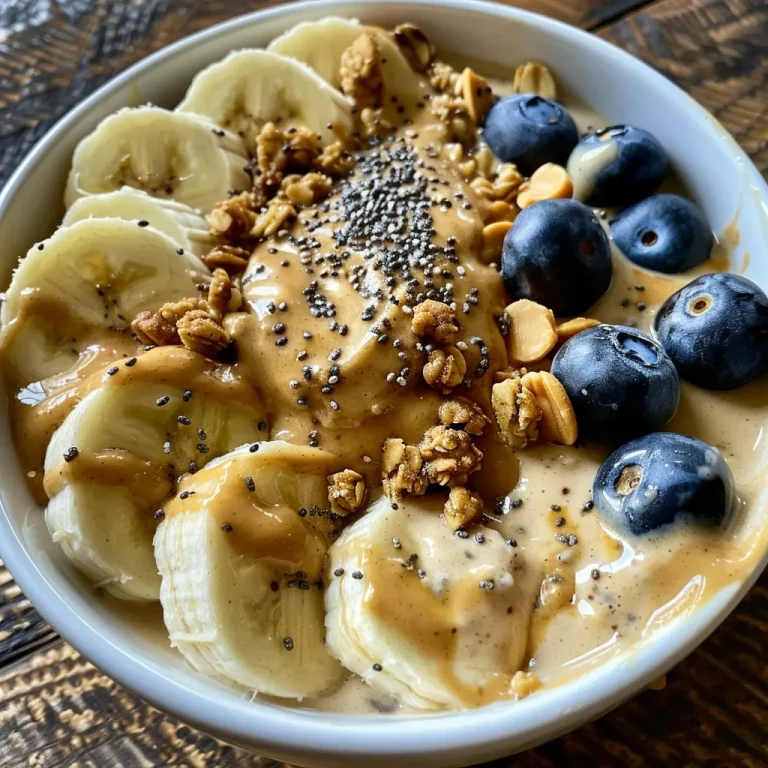
Kickstart Your Day with a Nutrient-Packed Vegan Peanut Butter Banana Protein Bowl

Are you ready to elevate your breakfast game? The Vegan Peanut Butter Banana Protein Bowl is not just a meal; it’s a delicious and energizing way to begin your day! Packed with nutrients and flavor, this smoothie bowl is quick to prepare and can be customized to your liking. Whether you’re a busy professional or a stay-at-home parent, this recipe is designed to fit into your lifestyle seamlessly.

In this guide, we’ll explore everything you need to know about creating the perfect peanut butter banana protein bowl, from key ingredients to expert tips. You’ll be amazed by how simple it is to whip up a bowl that’s both satisfying and healthy!

Why You’ll Love This Recipe

  • Deliciously Satisfying: This bowl tastes like a dessert but keeps you full with its protein and healthy fats.
  • Quick and Easy: You can prepare it in just 10 minutes, making it the perfect choice for busy mornings.
  • Customizable: You can mix and match toppings based on what you have at home, keeping breakfast exciting.
  • Nutrient-Rich: Packed with plant-based protein and fiber, it’s a great way to fuel your day.
  • Vegan and Gluten-Free: Ideal for various dietary preferences, ensuring everyone can enjoy it!

Ingredient Breakdown and Substitutions

Let’s dive into what makes this peanut butter banana smoothie bowl so special. Here’s a detailed look at the ingredients:

  • 2 large ripe bananas, frozen and sliced: Frozen bananas give the smoothie a creamy texture. If you don’t have frozen bananas, you can use fresh ones but add ice to achieve the right consistency.
  • 2 tablespoons natural peanut butter: This adds richness and flavor. You can substitute with almond butter or sunflower seed butter for a nut-free option.
  • 1 scoop plant-based vanilla protein powder: Provides the protein boost. Feel free to use any protein powder you prefer—whey or soy works too!
  • 1 cup unsweetened almond milk or plant-based milk alternative: This is your liquid base. Other options include oat milk or coconut milk.
  • 1 tablespoon chia seeds: For added fiber and omega-3 fatty acids. Flax seeds can be used as an alternative.
  • 1 to 2 teaspoons maple syrup: Optional for sweetness. Adjust according to your taste or substitute with agave syrup.
  • For Toppings: 1/2 banana, sliced, 2 tablespoons granola (gluten-free if required), 1 tablespoon peanut butter for drizzling, 2 tablespoons mixed fresh berries (like blueberries or strawberries), 1 teaspoon chia seeds, and 1 teaspoon cacao nibs (optional).

Step-by-Step Instructions
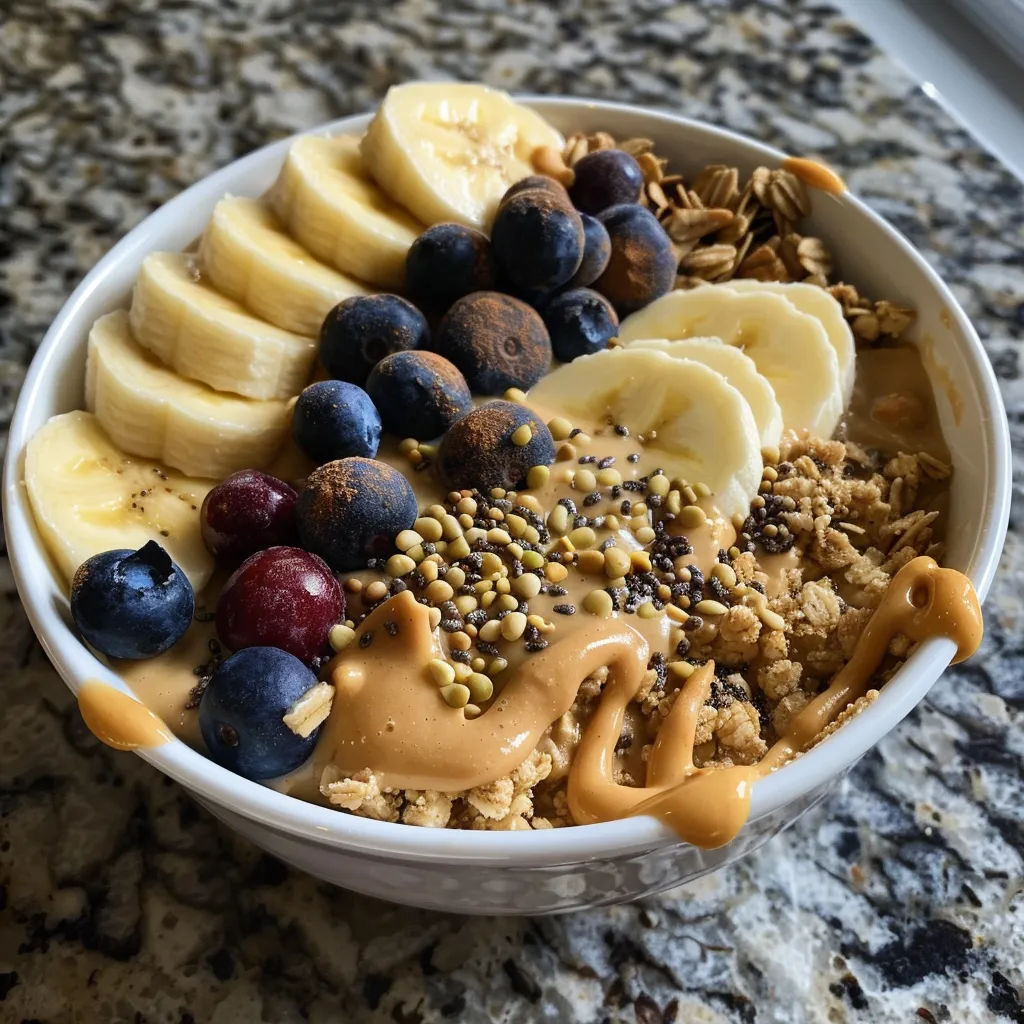
Close view of a protein bowl featuring frozen banana slices, mixed berries, and cacao nibs.

Creating your Vegan Peanut Butter Banana Protein Bowl is a breeze. Follow these simple steps:

  1. Combine the frozen banana slices, peanut butter, protein powder, almond milk, chia seeds, and maple syrup in a blender.
  2. Blend the mixture until smooth and creamy, scraping down the sides as needed. The consistency should be thick, so add additional milk only if necessary for blending.
  3. Divide the smoothie base evenly between two serving bowls.
  4. Arrange banana slices, granola, fresh berries, peanut butter drizzle, chia seeds, and cacao nibs on top of each bowl in your desired pattern.
  5. Serve immediately for the best texture and temperature!

Expert Tips for a Perfect Bowl

Here are some expert insights to help you achieve the best results:

  • Frozen Bananas are Key: Always use frozen bananas for a thick, creamy texture. If you’re using fresh bananas, freeze them overnight to prepare.
  • Don’t Over-Blend: Blend just until smooth to avoid a runny consistency. If your smoothie base becomes too thin, add more frozen banana to thicken it back up.
  • Layer Your Toppings: For an Instagram-worthy bowl, layer your toppings artfully—this not only looks good but adds textures and flavors.
  • Adjust Sweetness: Taste your smoothie base before serving. If it’s not sweet enough, add a bit more maple syrup.
  • Make It Ahead: Prepare the smoothie base in advance and store it in the fridge for up to a day. Just give it a good stir before serving!
  • Experiment with Toppings: Don’t hesitate to mix things up! Try adding seeds, nuts, or different fruits to keep your bowl exciting.
  • Use Quality Ingredients: The better the quality of your peanut butter and protein powder, the more delicious your bowl will be.
  • Don’t Skip the Chia Seeds: They not only add nutritional benefits but also help thicken your smoothie.

Common Mistakes and Troubleshooting

Even the best cooks can run into hiccups. Here are some common mistakes to avoid:

  • Too Thin Consistency: If your smoothie is too watery, it’s often due to too much liquid or not enough frozen bananas. Adjust by adding more frozen fruit.
  • Overly Sweet: If you accidentally added too much sweetener, balance it out with more banana or a splash of unsweetened almond milk.
  • Not Enough Flavor: If your smoothie lacks zest, consider adding a pinch of cinnamon or vanilla extract for extra flavor.
  • Skipping the Chia Seeds: These tiny seeds provide essential nutrients and help with texture, so don’t skip them!

Variations to Try

Feel free to get creative! Here are some fun variations:

  • Chocolate Lover’s Bowl: Add 2 tablespoons of cocoa powder or use chocolate protein powder for a decadent twist.
  • Berry Blast Bowl: Incorporate mixed berries into the smoothie base for a fruity explosion.
  • Nutty Delight Bowl: Mix in chopped nuts like almonds or walnuts for added crunch and nutrition.
  • Green Power Bowl: Add a handful of spinach or kale for a nutrient boost without altering the flavor significantly.

Storage and Make-Ahead Instructions

If you’re looking to save time, here’s how to store your smoothie bowl:

  • Make-Ahead: Prepare the smoothie base and store it in an airtight container in the fridge for up to 24 hours.
  • Freezing Portions: You can also freeze portions of the smoothie base in ice cube trays. Just blend with a bit of almond milk when you’re ready to enjoy.
  • Storing Toppings: Keep toppings in separate containers to maintain their freshness and crunch.

Comprehensive FAQ

Got questions? We’ve got answers!

  • Can I make this smoothie bowl nut-free? Yes! Simply substitute peanut butter with sunflower seed butter or tahini.
  • How can I increase the protein content? Use a higher protein content protein powder or add Greek yogurt if you’re not strictly vegan.
  • Is this recipe gluten-free? Absolutely! Just ensure your granola is gluten-free.
  • How do I make this recipe sweeter? You can add more maple syrup, a ripe banana, or even a pitted date blended into the smoothie.
  • Can I add vegetables? Yes! Spinach or kale can be added without significantly changing the flavor.
  • What can I substitute for almond milk? Any plant-based milk like oat or coconut milk works beautifully.
  • How long does it take to prepare? The whole process takes about 10 minutes!
  • Can I use fresh bananas instead of frozen? Yes, but be sure to add ice to achieve the desired thickness.

Nutritional Tips and Dietary Adaptations

This smoothie bowl is not only delicious but also nutritious. Here’s how you can adapt it for various dietary needs:

  • Vegan: All ingredients in this bowl are plant-based!
  • Gluten-Free: Use certified gluten-free granola to keep this dish safe for gluten intolerance.
  • Low-Sugar Option: Skip the maple syrup and opt for a ripe banana for natural sweetness.
  • High-Protein Version: Increase the protein powder or add hemp seeds for an extra boost.

Equipment Recommendations

To make this recipe, you’ll need:

  • High-Powered Blender: A good blender ensures a smooth and creamy consistency.
  • Measuring Cups and Spoons: For accurate ingredient measurements.
  • Bowl and Spoon: For serving and enjoying your creation!

Serving Suggestions

Serve your Vegan Peanut Butter Banana Protein Bowl immediately for the best experience. Pair it with:

  • A Side of Fresh Fruit: Complement your bowl with seasonal fruits for added freshness.
  • A Warm Beverage: Enjoy with a warm cup of coffee or herbal tea for a complete breakfast.
  • Yogurt: For a creamier texture, consider serving with a dollop of coconut yogurt.

This Vegan Peanut Butter Banana Protein Bowl is more than just a meal—it’s a delightful way to kick off your day filled with flavor, nutrition, and creativity. Don’t hesitate to experiment and make it your own. Happy blending!

Vegan Peanut Butter Banana Protein Bowl

Prep Time 10 minutes
Total Time 10 minutes
Servings 2 servings
Calories 350
A delicious and nutritious vegan protein bowl featuring bananas, peanut butter, and berries, perfect for a quick breakfast or snack.

Ingredients

Fruits and Nuts

  • 2 large ripe bananas, frozen and sliced
  • 1/2 banana sliced banana
  • 2 tablespoons natural peanut butter
  • 1 scoop plant-based vanilla protein powder (approximately 1 ounce)
  • 1 cup unsweetened almond milk or plant-based milk alternative
  • 1 tablespoon chia seeds
  • 1-2 teaspoons maple syrup, optional for sweetness
  • 2 tablespoons granola, gluten-free if required
  • 1 tablespoon peanut butter for drizzling
  • 2 tablespoons mixed fresh berries such as blueberries or strawberries
  • 1 teaspoon chia seeds
  • 1 teaspoon cacao nibs, optional

Instructions 

  • Combine frozen banana slices, peanut butter, protein powder, almond milk, chia seeds, and maple syrup in a blender.
  • Blend until smooth and thick, adding more milk if needed.
  • Divide the smoothie into two bowls.
  • Top with banana slices, granola, berries, peanut butter drizzle, chia seeds, and cacao nibs.
  • Serve immediately with spoons.
Notes

Use ripe bananas for best flavor and sweetness.
Calories: 350kcal
Cost: $15
Course: Breakfast
Cuisine: vegan
Keyword: Banana, peanut butter, Protein

Kickstart Your Day with This Energizing Mango Protein Smoothie

Are you looking for a refreshing blend that not only satisfies your taste buds but also fuels your body? Look no further! This Mango Protein Smoothie combines the sweetness of ripe mango, the creaminess of Greek yogurt, and a protein boost to keep you energized throughout the day. Whether it’s a busy morning breakfast or a post-workout treat, this smoothie is your go-to solution for a quick and nutritious meal.

Why You’ll Love This Recipe

This mango protein smoothie isn’t just delicious; it’s packed with benefits that make it a smart choice for your diet. Here are five reasons why you’ll love making this smoothie:

  • Quick and Easy: With just a few ingredients and a blender, you’ll have a nutritious drink ready in minutes!
  • Protein-Packed: Each serving provides a healthy dose of protein from Greek yogurt and protein powder, perfect for muscle recovery.
  • Rich in Vitamins: Ripe mangoes are loaded with vitamins A and C, supporting your immune system and skin health.
  • Customizable: You can easily adapt this recipe to fit your dietary preferences, whether you’re vegan, lactose-free, or have other restrictions.
  • Delicious Taste: The natural sweetness of mango combined with creamy yogurt creates a smoothie that feels indulgent without guilt!

Ingredients Breakdown

Here’s what you’ll need to whip up this delightful mango protein smoothie:

  • 1 ripe mango: Peeled and chopped (about 1 cup). For best results, choose a slightly soft mango that gives a little when pressed.
  • 1 cup Greek yogurt: Plain or vanilla works great. If you prefer a dairy-free option, feel free to substitute with almond or coconut yogurt.
  • 1 scoop protein powder: Vanilla or unflavored protein powder adds a nutrition boost. For a dairy-free smoothie, make sure your protein powder is also dairy-free.
  • 1/2 cup milk: Use dairy or any plant-based milk of your choice, like almond or oat milk.
  • 1 tbsp honey or maple syrup: Optional for added sweetness. Adjust based on your taste preference!
  • 1/2 tsp ground cinnamon: Optional, but it adds a lovely warm flavor note.
  • Ice cubes: Optional for a thicker, chilled smoothie.
  • 1 tsp chia seeds or flaxseeds: Optional for garnish and an extra nutritional boost.

How to Make Your Mango Protein Smoothie

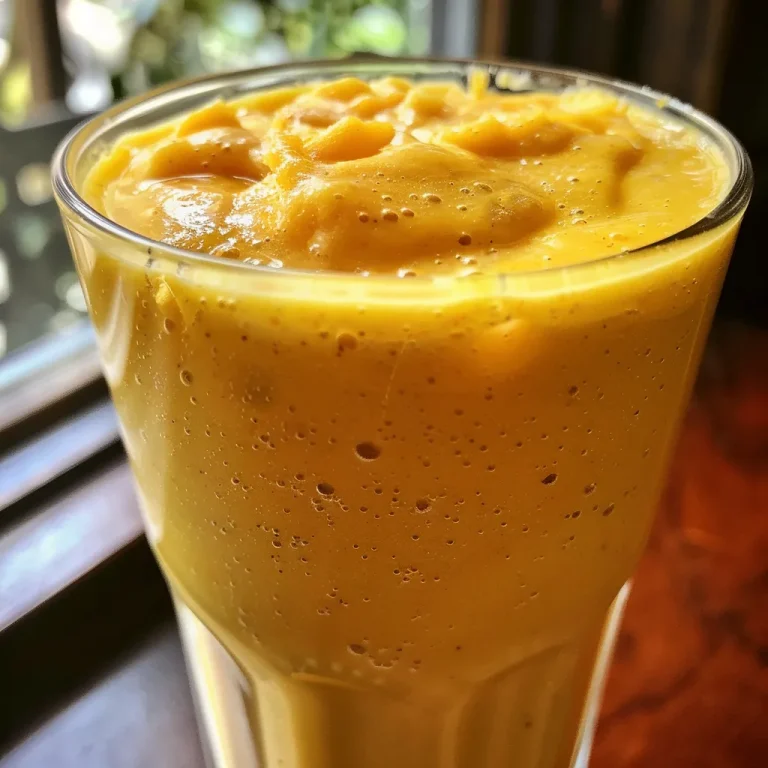
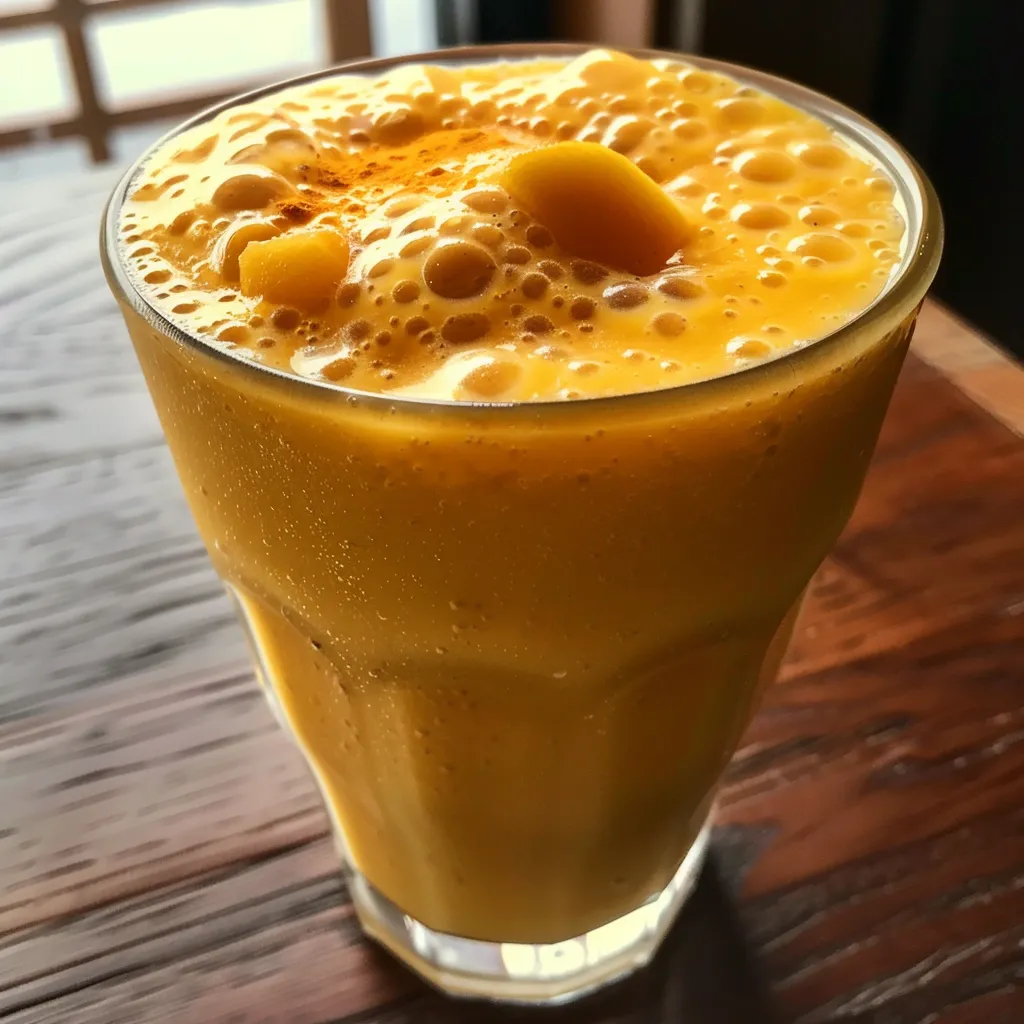
Delicious mango smoothie in a clear glass, garnished with chia seeds.

Follow these simple steps to create your refreshing smoothie:

  • Prepare Your Ingredients: Start by gathering all your ingredients. Make sure the mango is ripe for the best sweetness and flavor. Peel it, chop it, and get everything else ready—it makes blending much easier!
  • Blend Everything Together: In a blender, combine the chopped mango, Greek yogurt, protein powder, and milk. If you prefer a sweeter smoothie, add honey or maple syrup. For a cold, thick smoothie, throw in a few ice cubes!
  • Blend Until Smooth: Close the lid and blend on high speed until the mixture is smooth and creamy. You might need to stop and scrape down the sides of the blender a couple of times to make sure everything is well mixed.
  • Serve and Enjoy: Once your smoothie is creamy and well-blended, pour it into a glass. If you like, sprinkle some chia seeds or flaxseeds on top for a nutritious garnish. Serve immediately and enjoy your refreshing mango protein smoothie!

Expert Tips for the Best Mango Protein Smoothie

Make your smoothie experience even better with these expert tips:

  • Choose ripe mango: For the best flavor, select a mango that’s slightly soft to the touch. This ensures maximum sweetness.
  • Use frozen mango: If you want a thicker texture, frozen mango works wonderfully! You can freeze ripe mango pieces ahead of time for convenience.
  • High-powered blender: A high-speed blender yields a creamier texture. If you have one, it’s worth using!
  • Sweetness check: Always taste before serving. Depending on your mango’s ripeness, you may not need additional sweeteners.
  • Add greens: Want to sneak in some extra nutrients? Toss in a handful of spinach or kale for a green boost without altering the flavor much!
  • Protein powder choice: Experiment with different flavors of protein powder to customize your smoothie to your taste.
  • Make it dairy-free: Substitute Greek yogurt with plant-based yogurt and use almond or coconut milk for a delightful dairy-free option.
  • Experiment with spices: Adding nutmeg or ginger can give your smoothie a unique flavor twist!

Common Mistakes and Troubleshooting

Even simple recipes can have hiccups. Here’s how to avoid common mistakes:

  • Too thick: If your smoothie is too thick, simply add more milk until you reach your desired consistency.
  • Not sweet enough: If it lacks sweetness, blend in a little honey or maple syrup to enhance the flavor.
  • Texture issues: If you find chunks of mango or yogurt, it might be due to insufficient blending. Make sure to blend until completely smooth.
  • Frozen ingredients: If using frozen mango, reduce or eliminate ice cubes to avoid an overly icy texture.

Delicious Variations to Try

Feel free to switch things up with these exciting variations:

  • Berry Bliss: Add a cup of mixed berries (strawberries, blueberries, or raspberries) for a fruity twist.
  • Peanut Butter Power: Blend in a tablespoon of peanut or almond butter for added creaminess and protein.
  • Chocolate Delight: Use chocolate protein powder instead of vanilla and add a tablespoon of cocoa powder for a chocolatey treat.
  • Coconut Tropical: Replace half of the milk with coconut water or add shredded coconut for a tropical flair.

Storage and Make-Ahead Instructions

This smoothie is best enjoyed fresh, but you can make it ahead of time:

  • In the fridge: Store any leftovers in an airtight container in the refrigerator for up to 24 hours. However, the texture may change slightly.
  • Freezing: You can freeze the smoothie in ice cube trays and blend them into a new smoothie later for a quick treat!

Frequently Asked Questions (FAQs)

Here are some common questions about this mango protein smoothie:

  • Can I use frozen mango? Yes! Frozen mango is perfect for creating a thicker smoothie.
  • Is this smoothie vegan? You can make it vegan by using dairy-free yogurt and plant-based milk.
  • How can I make it sweeter? Add honey or maple syrup to taste, or use a sweetened protein powder.
  • Can I skip the protein powder? Absolutely! You can still enjoy a delicious smoothie without it.
  • How long does it last in the fridge? It’s best consumed within 24 hours for optimal taste and texture.
  • What if I don’t have Greek yogurt? You can substitute it with regular yogurt or a dairy-free alternative.
  • Can I add vegetables? Yes! Spinach or kale can be added without altering the flavor significantly.
  • Is this smoothie a meal replacement? With its protein and nutrient content, it can be a quick meal replacement, especially for breakfast.

Nutritional Tips and Dietary Adaptations

This mango protein smoothie is not just delicious, but also adaptable for various dietary needs:

  • Low-calorie option: Use unsweetened Greek yogurt and skip the sweeteners for a lower-calorie version.
  • High-fiber boost: Add a tablespoon of oats or flaxseed for extra fiber.
  • Low-carb version: Use unsweetened almond milk and skip the honey to reduce carbs.
  • Nut-free: Substitute nut-based ingredients with seeds like sunflower seeds for those with allergies.

Recommended Equipment

To make your mango protein smoothie, here’s what you need:

  • High-powered blender: Essential for achieving a smooth and creamy texture.
  • Measuring cups: For precise ingredient measurements, ensuring perfect results every time.
  • Spoon: Handy for scooping out yogurt and mixing ingredients.

Serving Suggestions

Enjoy your smoothie on its own or pair it with:

  • Granola: Add some crunch with a sprinkle of granola on top.
  • Fruit salad: A fresh fruit salad makes a great side.
  • Whole grain toast: Pair it with whole grain toast topped with avocado or nut butter for a balanced meal.

Wrap Up

Now that you have the ultimate guide to making a delicious Mango Protein Smoothie, it’s time to get blending! With its vibrant flavors and health benefits, this smoothie is sure to become a staple in your kitchen. Remember, cooking is all about confidence and creativity—so feel free to experiment and make this recipe your own. Enjoy your refreshing and energizing treat!

Mango Protein Smoothie

Prep Time 5 minutes
Total Time 5 minutes
Servings 1 cup
Calories 350
A delicious and nutritious smoothie combining ripe mango, Greek yogurt, and protein for a quick, healthy treat.

Ingredients

Main

  • 1 cup ripe mango, peeled and chopped (about 1 cup)
  • 1 cup Greek yogurt (plain or vanilla)
  • 1 scoop vanilla or unflavored protein powder
  • 0.5 cup milk (dairy or plant-based)
  • 1 tbsp honey or maple syrup (optional)
  • 0.5 tsp ground cinnamon (optional)
  • to taste ice cubes ice cubes (optional, for thickness and chill)
  • 1 tsp chia seeds or flaxseeds (for garnish, optional)

Instructions 

  • Gather all ingredients and peel and chop the mango.
  • Combine mango, Greek yogurt, protein powder, and milk in a blender. Add honey and cinnamon if desired.
  • Add ice cubes for a thicker, colder smoothie if preferred.
  • Blend until smooth and creamy, stopping to scrape sides as needed.
  • Pour into a glass, garnish with chia or flaxseeds, and serve immediately.

Notes

Use ripe mango for the best flavor and sweetness.
Calories: 350kcal
Cost: $10
Course: Breakfast, Snack
Cuisine: Fusion
Keyword: Mango, Protein, Smoothie

Start Your Day Right with Blueberry Oat Breakfast Bars

If you’re searching for a quick, healthy, and delicious breakfast option, look no further than these Blueberry Oat Breakfast Bars. Packed with wholesome ingredients and bursting with flavor, they’re perfect for busy mornings or as a delightful snack anytime. This recipe combines the goodness of oats with juicy blueberries, creating a treat that’s not only satisfying but also incredibly easy to make. Let’s dive into what makes this recipe special and why you’ll love it!

Why You’ll Love This Recipe

These Blueberry Oat Breakfast Bars are not just another recipe; they’re a game-changer for your morning routine. Here are some compelling reasons why you’ll want to whip up a batch:

  • Meal Prep Friendly: You can easily make these bars ahead of time, allowing you to grab a nutritious breakfast on the go.
  • Healthier Alternative: With wholesome oats and fresh blueberries, these bars are a far better choice than store-bought snacks.
  • Control Over Ingredients: You can customize the sweetness and ingredients, ensuring a perfect fit for your diet.
  • Family Friendly: Kids love them! These chewy bars make for a great after-school snack.
  • Deliciously Versatile: With simple substitutions, you can adapt the recipe to suit various dietary needs.

Ingredients Breakdown

Let’s take a closer look at what you’ll need to make these tasty breakfast bars, along with some handy substitutions!

  • Old-Fashioned Rolled Oats: 2 cups give these bars their chewy texture. You can use quick oats, but the texture will be different.
  • Whole Wheat Flour: 1 cup adds fiber and nutrients. Feel free to substitute with almond flour for a gluten-free option.
  • Light Brown Sugar: 1/2 cup packed enhances the sweetness while providing moisture. Coconut sugar is a great alternative.
  • Baking Powder: 1/2 teaspoon helps the bars rise slightly.
  • Ground Cinnamon: 1/4 teaspoon adds warmth and flavor. You can also add nutmeg for a deeper spice.
  • Salt: 1/4 teaspoon balances the sweetness.
  • Unsalted Butter: 1/2 cup, melted and cooled, gives richness. For a dairy-free version, coconut oil works well.
  • Plain Greek Yogurt: 1/4 cup adds moisture and protein. You can use a dairy-free yogurt if needed.
  • Large Egg: 1 egg binds the ingredients. A flax egg (1 tablespoon ground flaxseed + 2.5 tablespoons water) can be used as a vegan alternative.
  • Vanilla Extract: 1 teaspoon enhances flavor.
  • Fresh Blueberries: 2 cups are the star of the show! Frozen blueberries are fine too; just ensure they are thawed and drained.
  • Granulated Sugar: 2 tablespoons for tossing with blueberries, enhancing their flavor.
  • Cornstarch: 1 tablespoon helps thicken the blueberry filling, keeping it juicy but not runny.
  • Fresh Lemon Juice: 1 tablespoon brightens up the blueberry filling.

Step-by-Step Instructions

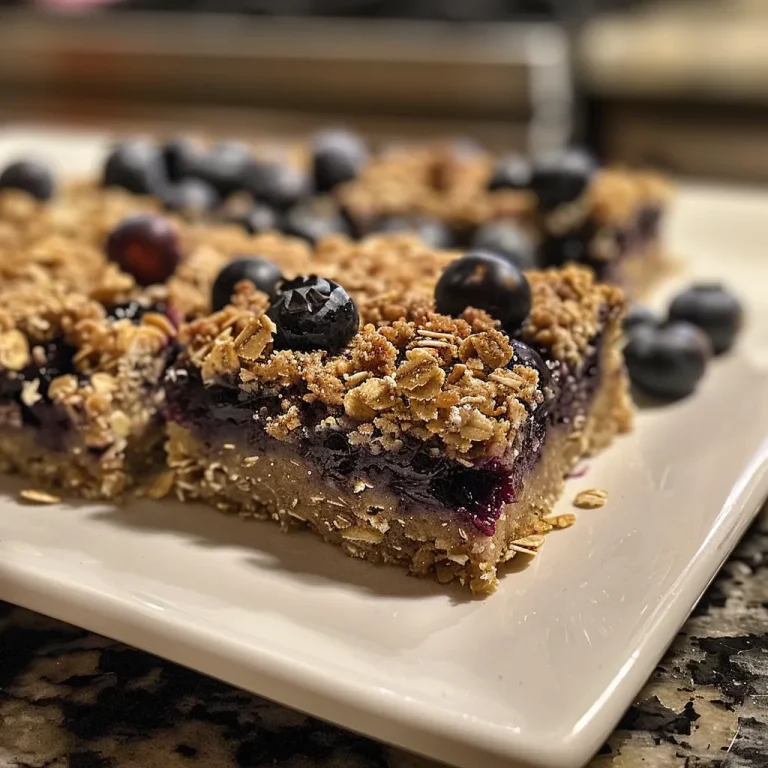
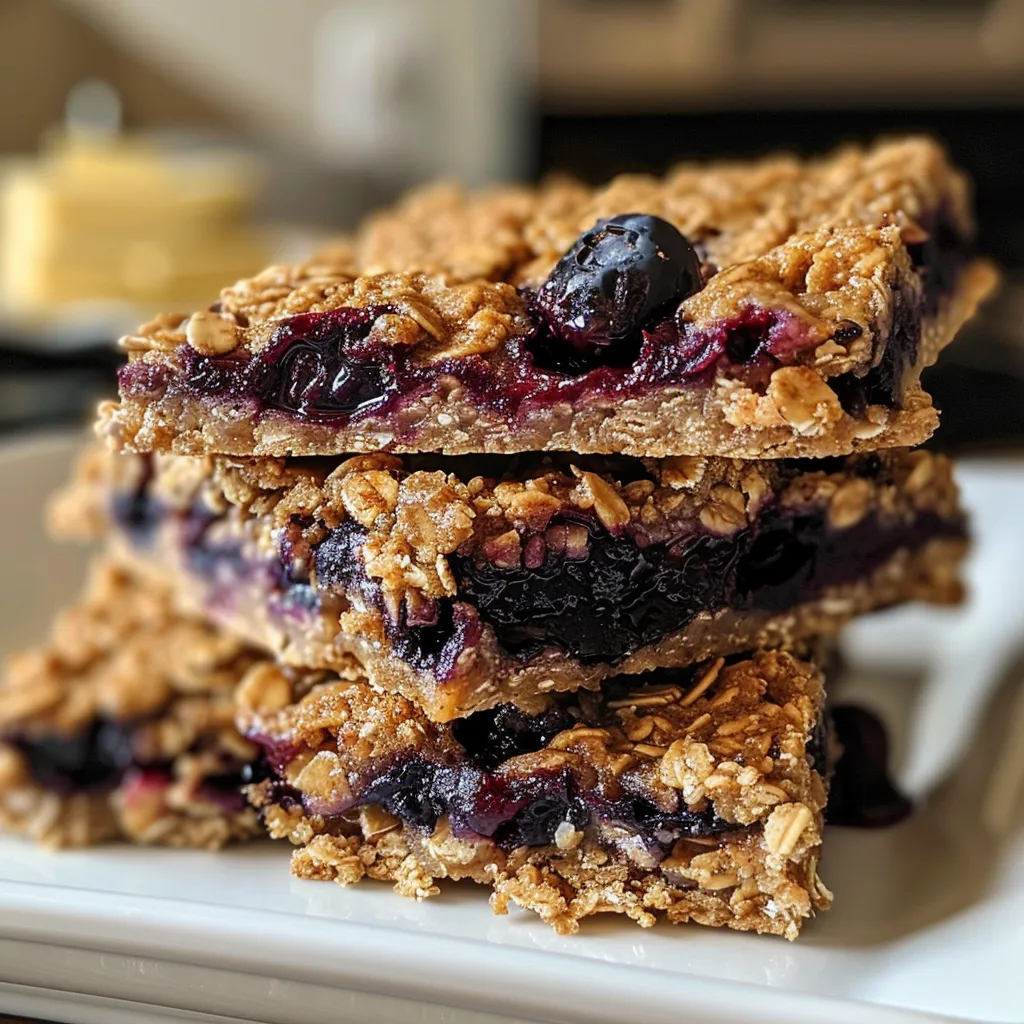
A close-up shot of freshly baked blueberry oat breakfast bars, featuring a blend of oats and blueberries in a tempting arrangement.

Follow these simple steps to create your Blueberry Oat Breakfast Bars:

  1. Preheat your oven to 350°F (175°C). Line a 9×9-inch baking pan with parchment paper, leaving an overhang for easy removal.
  2. In a large mixing bowl, combine the oats, whole wheat flour, brown sugar, baking powder, cinnamon, and salt.
  3. In a separate bowl, whisk together the melted butter, Greek yogurt, egg, and vanilla extract until smooth.
  4. Add the wet ingredients to the dry ingredients and mix until just combined. Reserve 1 cup of this mixture for topping.
  5. Press the remaining oat mixture evenly into the prepared pan to form the base.
  6. In another bowl, toss the blueberries with granulated sugar, cornstarch, and lemon juice until evenly coated.
  7. Spread the blueberry mixture evenly over the oat base.
  8. Crumble the reserved oat mixture evenly over the blueberries.
  9. Bake for 30 to 35 minutes, or until the top is golden brown and the filling is bubbling at the edges.
  10. Allow to cool completely in the pan. Use the parchment overhang to lift the bars out, then cut into 16 squares. Wrap individually if desired.

Pro Tips for Perfect Bars

To ensure your Blueberry Oat Breakfast Bars turn out perfectly every time, keep these expert tips in mind:

  • Don’t Skip Cooling the Butter: Allowing the melted butter to cool prevents scrambling the eggs when mixed.
  • Press Firmly: When forming the base, press the oat mixture down firmly to avoid crumbling later.
  • Evenly Distributed Blueberries: Make sure the blueberry mixture is spread evenly for balanced flavor in every bite.
  • Experiment with Spices: Feel free to add a pinch of nutmeg or cardamom for a unique flavor twist.
  • Check for Doneness: The bars should be golden brown and bubbling around the edges—don’t underbake!
  • Storage Matters: Store bars in an airtight container to maintain freshness.
  • Make Ahead: These bars can be baked and stored for up to a week, making them perfect for meal prep.
  • Freeze for Later: Wrap them individually and freeze for up to three months for a quick breakfast option.

Common Mistakes and Troubleshooting

Here are some common pitfalls to avoid:

  • Overmixing: Mixing too much after adding wet ingredients can lead to tough bars. Mix until just combined.
  • Using Cold Ingredients: For best results, ensure ingredients like butter and yogurt are at room temperature.
  • Not Letting Them Cool: Allow bars to cool completely before cutting to help them set properly.
  • Ignoring Baking Time: Keep an eye on the baking time; ovens can vary, so check for golden color.

Delicious Variations to Try

These bars are versatile! Here are some tasty variations you can explore:

  • Nutty Addition: Add a 1/2 cup of chopped nuts (walnuts or almonds) for added crunch and nutrition.
  • Chocolate Chip Delight: Mix in 1/2 cup of dark chocolate chips for a sweet twist.
  • Fruit Fusion: Swap blueberries for raspberries or chopped strawberries for a different flavor profile.
  • Spiced Pumpkin: Replace half the blueberries with pumpkin puree and add pumpkin spice for a seasonal treat.

Storage and Make-Ahead Instructions

These breakfast bars are perfect for meal prep. Here’s how to store and make them ahead of time:

  • Room Temperature: Store in an airtight container for up to 5 days.
  • Refrigeration: Keep them in the fridge for freshness, especially in warm weather.
  • Freezing: Wrap bars individually in plastic wrap and place them in a freezer-safe bag for up to 3 months. Thaw at room temperature before enjoying.

Frequently Asked Questions

Here are some common questions about this recipe:

  • Can I make these bars vegan? Yes! Substitute the egg with a flax egg, use coconut oil instead of butter, and opt for dairy-free yogurt.
  • What can I use instead of Greek yogurt? You can use any plain yogurt or a dairy-free alternative for a similar consistency.
  • How do I know when they’re done? Look for a golden brown top and bubbling filling around the edges.
  • Can I use frozen blueberries? Yes! Just ensure they are thawed and drained before using.
  • How should I cut the bars? Once cooled, use a sharp knife for clean edges. A serrated knife works well for this.
  • Can I make these gluten-free? Yes! Substitute the whole wheat flour with a gluten-free flour blend.
  • How do I make them sweeter? You can increase the sugar in the recipe or add honey/agave syrup to the blueberry mixture.
  • Can I add protein powder? Yes! Feel free to mix in a scoop of your favorite protein powder without altering the liquid ingredients significantly.

Nutritional Tips and Dietary Adaptations

These bars can be tailored to fit various dietary needs:

  • Lower Sugar: Reduce the brown sugar or use a sugar substitute to make these bars lower in sugar.
  • High Protein: Add protein powder or increase the amount of Greek yogurt to boost the protein content.
  • High Fiber: Incorporate ground flaxseed or chia seeds to increase the fiber content significantly.
  • Low Carb: Substitute oats and flour with almond flour and flax meal for a low-carb option.

Essential Equipment Recommendations

To make your baking experience smoother, here’s some equipment you’ll find helpful:

  • 9×9-inch Baking Pan: Essential for creating the perfect bar size.
  • Parchment Paper: Helps with easy removal and cleanup.
  • Mixing Bowls: A set of varying sizes is ideal for mixing dry and wet ingredients separately.
  • Whisk: Great for combining wet ingredients smoothly.
  • Spatula: Perfect for pressing the oat mixture into the pan and mixing ingredients.

Serving Suggestions

These bars are delicious on their own, but here are some tasty serving ideas:

  • With Yogurt: Enjoy with a dollop of Greek yogurt and a drizzle of honey on top.
  • As a Snack: Pack them for a mid-afternoon pick-me-up with a cup of tea or coffee.
  • With Fresh Fruit: Serve alongside a bowl of fresh fruit for a balanced meal.

In conclusion, these Blueberry Oat Breakfast Bars are a fantastic addition to your breakfast repertoire. They are simple to make, incredibly versatile, and perfect for those busy mornings when you need something nutritious and delicious. Don’t hesitate to experiment with different flavors and ingredients, and enjoy the process of creating your own perfect bar. Happy baking!

Blueberry Oat Breakfast Bars

Prep Time 15 minutes
Cook Time 35 minutes
Total Time 50 minutes
Servings 16 bars
Calories 250
Start your day with these delicious and wholesome blueberry oat breakfast bars, perfect for a quick, nutritious breakfast on the go.

Ingredients

Dry ingredients

  • 2 cups old-fashioned rolled oats
  • 1 cup whole wheat flour
  • 0.5 cup light brown sugar, packed
  • 0.5 teaspoon baking powder
  • 0.25 teaspoon ground cinnamon
  • 0.25 teaspoon salt

Wet ingredients

  • 0.5 cup unsalted butter, melted and cooled
  • 0.25 cup plain Greek yogurt
  • 1 large egg
  • 1 teaspoon pure vanilla extract

Blueberry mixture

  • 2 cups fresh blueberries, or frozen thawed and drained
  • 2 tablespoons granulated sugar
  • 1 tablespoon cornstarch
  • 1 tablespoon fresh lemon juice

Instructions 

  • Preheat oven to 350°F (175°C). Line a 9x9-inch pan with parchment paper.
  • Mix dry ingredients; in a separate bowl, whisk wet ingredients. Combine and reserve 1 cup for topping.
  • Press remaining mixture into pan; toss blueberries with sugar, cornstarch, and lemon juice, then spread over base.
  • Crumble reserved mixture over blueberries; bake for 30-35 minutes until golden and bubbling.
  • Cool completely, then cut into 16 bars and wrap if desired.

Notes

For best results, use fresh blueberries when in season.
Calories: 250kcal
Cost: $15
Course: Breakfast
Keyword: Blueberry

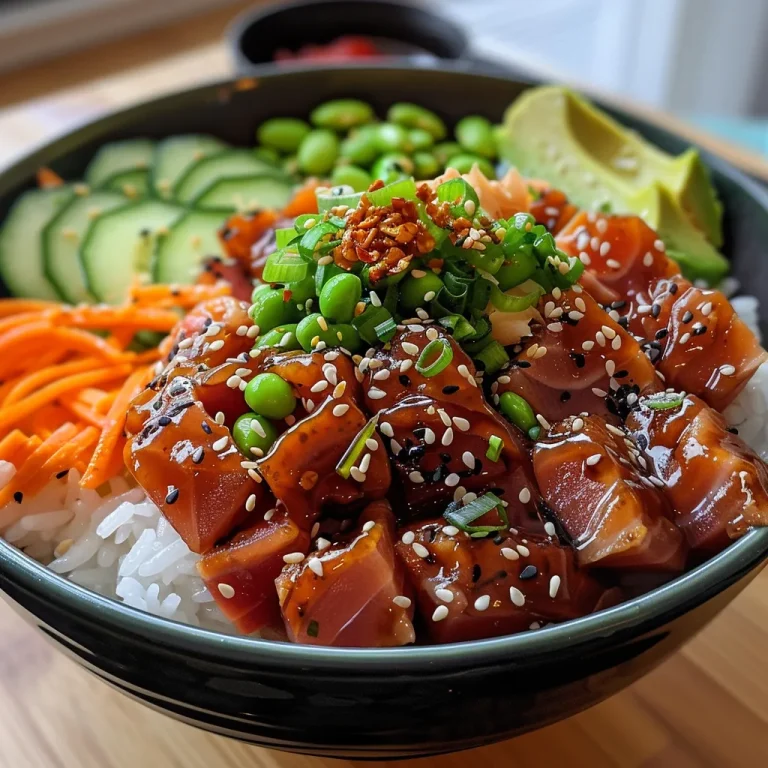
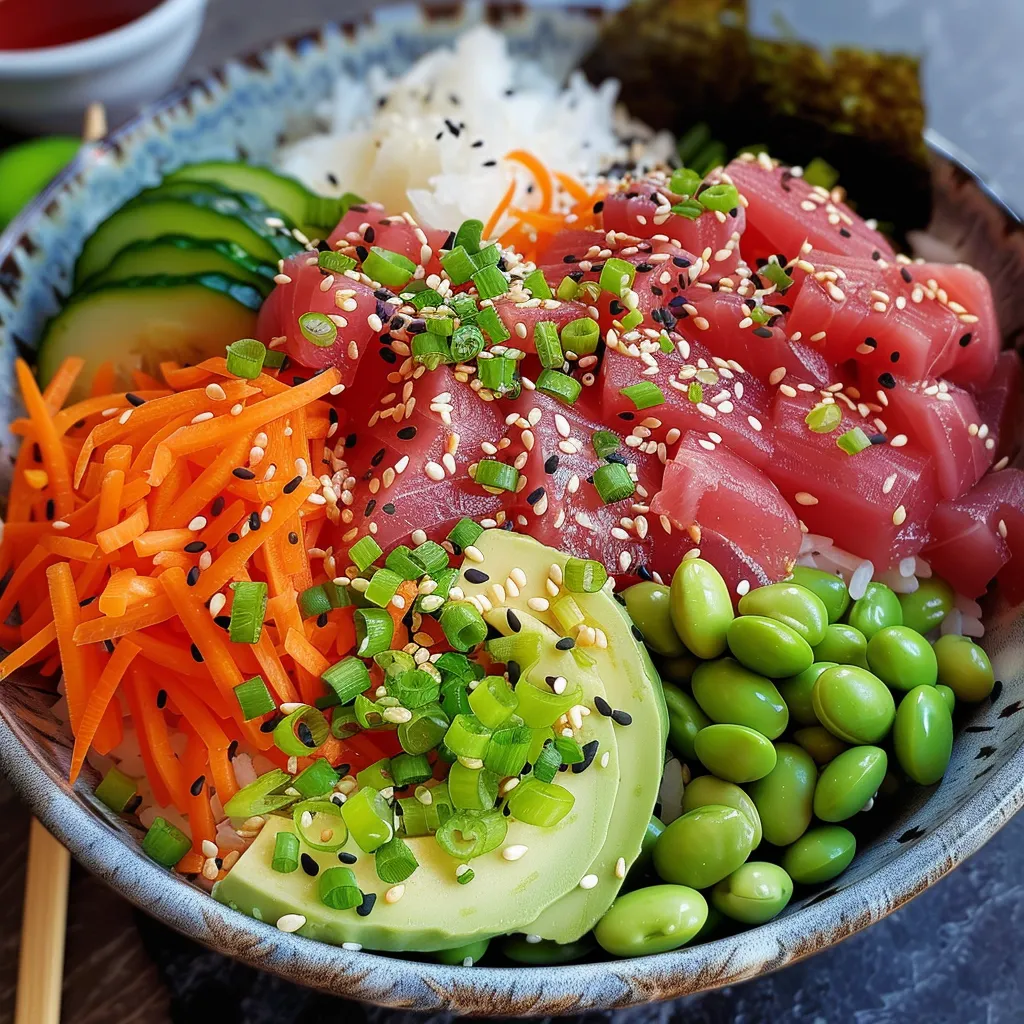
Are you looking for a quick, satisfying meal that bursts with flavor? Look no further than this Spicy Tuna Rice Bowl. With its perfect balance of fresh ingredients and vibrant tastes, this dish is sure to impress your family or friends. In this article, we will guide you through creating this mouthwatering bowl step by step, ensuring that you feel confident and excited to cook!

Why You’ll Love This Recipe

Here are some reasons why this Spicy Tuna Rice Bowl should be a staple in your kitchen:

  • Quick to Prepare: This meal can be made in under 30 minutes, making it perfect for busy weeknights.
  • Customizable: Tailor the ingredients to your taste—add more veggies, switch up the protein, or try different sauces!
  • Healthy and Nutritious: Packed with fresh vegetables and healthy fats from the avocado, this bowl is as nutritious as it is delicious.
  • Perfect for Meal Prep: Make a big batch and enjoy it throughout the week. It stores well in the fridge for quick lunches or dinners.
  • Impressive Presentation: The vibrant colors and arrangement of ingredients make this dish visually appealing and Instagram-worthy.

Ingredient Breakdown

Let’s dive into the ingredients you’ll need for this delicious Spicy Tuna Rice Bowl:

  • 300 g sushi rice (uncooked): This forms the base of your bowl. Substitute with brown rice for a healthier option.
  • 480 ml water: Necessary for cooking the rice. Adjust based on your rice type.
  • 45 ml rice vinegar: Adds acidity and flavor to the rice. You can also use apple cider vinegar.
  • 15 g granulated sugar: Balances the acidity of the vinegar. Consider using honey for a natural sweetener.
  • 7 g kosher salt: Enhances the flavor of the rice.
  • 600 g sushi-grade tuna steaks: The star of the dish! Ensure it’s fresh and high quality for the best taste.
  • 4 g kosher salt and 2 g freshly ground black pepper: For seasoning the tuna.
  • 40 g mixed sesame seeds (white and black): Adds texture and nutty flavor.
  • 20 ml neutral cooking oil (grapeseed or canola): For searing the tuna.
  • 80 g Japanese mayonnaise: Creamy goodness! You can substitute with regular mayonnaise or even avocado for a healthier twist.
  • 15 g gochugaru (Korean chili flakes): For a kick of spice. Adjust to taste.
  • 10 ml sriracha sauce: Adds heat and flavor. Use less if you prefer it milder.
  • 5 ml fresh lime juice: Brightens the dish. Lemon juice can be used as an alternative.
  • 3 g garlic (minced): For added flavor. You can use garlic powder if fresh isn’t available.
  • 200 g Persian cucumber (julienned): Crunchy and refreshing. Substitute with regular cucumber or radishes.
  • 160 g carrots (shredded): Adds sweetness and color.
  • 120 g shelled edamame (cooked): Provides protein and a pop of color.
  • 240 g ripe avocado (sliced): Creamy and rich, it’s a must-have in this bowl.
  • 20 g pickled ginger: For a tangy contrast. Great for digestion too!
  • 10 g scallions (thinly sliced): Adds freshness and a mild onion flavor.
  • 8 g nori sheets (cut into thin strips): For a touch of umami.
  • 5 g toasted sesame seeds (for garnish): Elevates the presentation.

Pro Tips for the Perfect Bowl

To help you nail this dish, here are some expert tips:

  • Use sushi-grade tuna: Always opt for sushi-grade or sashimi-grade tuna for the best flavor and safety.
  • Don’t rush the rice: Allow your sushi rice to cool slightly after cooking to achieve the perfect texture.
  • Get your pan hot: When searing the tuna, make sure your pan is hot enough to create a nice crust.
  • Slice against the grain: For the tuna, slicing against the grain gives you tender pieces.
  • Customize your toppings: Feel free to add other crunchy vegetables like radishes or bell peppers.
  • Make the spicy mayo ahead: Mix your mayo, sriracha, and gochugaru ahead of time for easy assembly.
  • Use leftovers creatively: Any leftover ingredients can be used for salads or wraps!
  • Chill your ingredients: For the best flavor, chill your veggies and toppings beforehand.

Common Mistakes and Troubleshooting

Close-up image of a flavorful spicy tuna rice bowl with fresh toppings.

Even the most seasoned cooks can make mistakes. Here are some common pitfalls and how to avoid them:

  • Overcooking the tuna: Aim for rare to medium-rare, as overcooked tuna can become dry and tough.
  • Rinsing rice incorrectly: Make sure to rinse the sushi rice until the water runs clear for the best texture.
  • Ignoring seasoning: Don’t skip on seasoning the rice; it’s crucial for flavor.
  • Forgetting the sauce: The spicy mayo is what elevates the dish! Don’t skip it.

Variations to Try

Feel free to mix it up! Here are some ideas:

  • Vegetarian Version: Replace tuna with marinated tofu and add more vegetables.
  • Poke Bowl Style: Incorporate a variety of toppings like mango, seaweed salad, and pickled vegetables.
  • Spicy Crab Bowl: Use imitation crab mixed with spicy mayo instead of tuna.
  • Quinoa Base: Swap sushi rice for quinoa for a protein-packed alternative.

Storage and Make-Ahead Instructions

This Spicy Tuna Rice Bowl is perfect for meal prep. Here’s how to store it:

  • Refrigerate: Store any leftovers in an airtight container in the fridge for up to 3 days.
  • Rice Storage: Keep the rice separate from the toppings to maintain freshness.
  • Make-Ahead: You can prepare the spicy mayo and chop the vegetables in advance for quicker assembly later.

Frequently Asked Questions

Here are some common questions about making this dish:

  • Can I use canned tuna? Yes, but for the best flavor and texture, fresh sushi-grade tuna is recommended.
  • What can I substitute for sushi rice? You can use jasmine rice or brown rice, but the texture will differ.
  • How do I know if my tuna is fresh? Look for bright red color and a clean, ocean-like smell.
  • Can I make this bowl spicy? Absolutely! Adjust the amount of sriracha and gochugaru to your spice preference.
  • Is this recipe gluten-free? Yes, as long as you use gluten-free soy sauce and mayonnaise.
  • What other toppings can I use? Try adding avocado, radishes, or even mango for a tropical twist.
  • Can I freeze leftovers? It’s best not to freeze the rice or tuna, as they can lose their texture.
  • How do I assemble the bowl? Start with rice, layer the toppings, and finish with a drizzle of spicy mayo.

Nutrition Tips and Dietary Adaptations

To make this dish even healthier, consider these tips:

  • Add more vegetables: Incorporate leafy greens like spinach or kale for added nutrients.
  • Use brown rice: Brown rice offers more fiber and nutrients compared to white sushi rice.
  • Opt for low-fat mayo: Use a lighter version of mayonnaise to reduce calories.

Equipment Recommendations

Here are some tools that will make your cooking experience smoother:

  • Rice Cooker: Perfect for making sushi rice effortlessly.
  • Sharp Knife: Essential for slicing the tuna and vegetables.
  • Non-Stick Skillet: Ideal for searing the tuna without sticking.
  • Mixing Bowls: Useful for preparing your toppings and sauces.

Serving Suggestions

To serve your Spicy Tuna Rice Bowl, consider these presentation tips:

  • Layering: Start with the sushi rice, then artfully layer the toppings for a beautiful presentation.
  • Garnishes: Sprinkle with toasted sesame seeds and sliced scallions for added texture and flavor.
  • Accompaniments: Serve with a side of miso soup or seaweed salad for a complete meal.

In conclusion, this Spicy Tuna Rice Bowl is not just a meal; it’s an experience. With its incredible flavors, nutritional benefits, and versatility, it’s bound to become a favorite in your household. So grab your ingredients, channel your inner chef, and enjoy this delightful dish!

Spicy Tuna Rice Bowl

Prep Time 15 minutes
Cook Time 20 minutes
Total Time 35 minutes
Servings 2 servings
Calories 850
A vibrant and flavorful rice bowl featuring sushi-grade tuna, fresh vegetables, and a spicy, tangy sauce.

Ingredients

Rice

  • 300 g sushi rice (uncooked)
  • 480 ml water

Vinegar Mixture

  • 45 ml rice vinegar
  • 15 g granulated sugar
  • 7 g kosher salt

Tuna

  • 600 g sushi-grade tuna steaks
  • 4 g kosher salt
  • 2 g freshly ground black pepper

Seeds & Oil

  • 40 g mixed sesame seeds (white and black)
  • 20 ml neutral cooking oil (grapeseed or canola)

Sauces & Condiments

  • 80 g Japanese mayonnaise
  • 15 g gochugaru (Korean chili flakes)
  • 10 ml sriracha sauce
  • 5 ml fresh lime juice
  • 3 g garlic (minced)

Vegetables

  • 200 g Persian cucumber (julienned)
  • 160 g carrots (shredded)
  • 120 g shelled edamame (cooked)
  • 240 g ripe avocado (sliced)
  • 20 g pickled ginger
  • 10 g scallions (thinly sliced)
  • 8 g nori sheets (cut into thin strips)
  • 5 g toasted sesame seeds (for garnish)

Instructions 

  • Cook sushi rice with water, then season with rice vinegar, sugar, and salt. Let it cool.
  • Season tuna steaks with salt and pepper, then sear until cooked to desired doneness. Slice thinly.
  • Mix mayonnaise, gochugaru, sriracha, lime juice, and minced garlic to make spicy sauce.
  • Assemble bowls with rice, sliced tuna, vegetables, avocado, pickled ginger, and drizzle with spicy sauce. Garnish with sesame seeds and nori strips.

Notes

Use fresh, high-quality tuna for the best flavor. Adjust spice levels to taste.
Calories: 850kcal
Cost: $15
Course: Main Course
Cuisine: Japanese
Keyword: Tuna

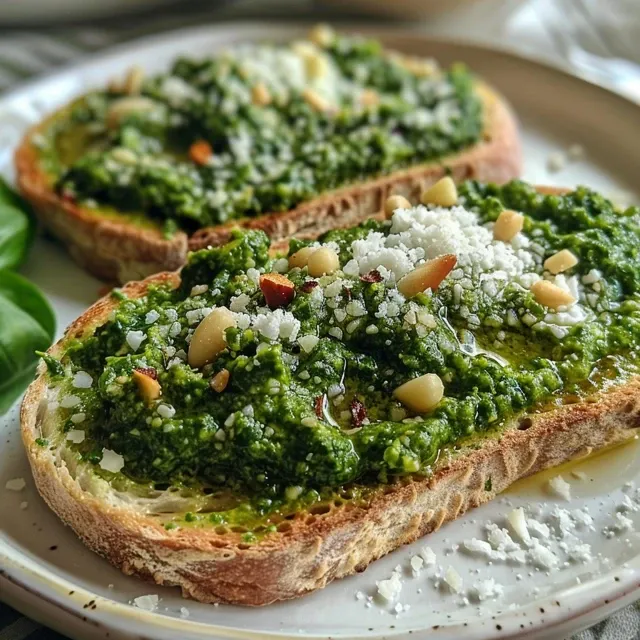
Welcome to a delightful culinary journey that transforms your breakfast routine! Today, we’ll explore how to make a quick and flavorful Spinach Pesto Sourdough Toast, topped with perfectly cooked eggs. This simple yet impressive dish not only packs a nutritional punch but also brings excitement to your table. Whether you’re looking for a cozy weekend brunch or a quick weekday meal, this recipe will have you covered.

Why You’ll Love This Recipe

Here are just a few reasons why this spinach pesto sourdough toast will quickly become a favorite:

  • Quick to Prepare: This recipe takes just 25 minutes from start to finish, making it ideal for busy mornings.
  • Nutritious Ingredients: Packed with fresh spinach, basil, and protein-rich eggs, this meal is a powerhouse of nutrition.
  • Flavorful and Versatile: The vibrant spinach pesto elevates the toast, and you can customize toppings to suit your taste.
  • Impressive Presentation: The dish looks stunning, perfect for brunch with friends or as a solo treat.
  • Simple Techniques: With straightforward steps, even beginner cooks will feel confident making this toast.

Ingredient Breakdown

Let’s dive into the ingredients you’ll need to create this tasty dish. Here’s what you’ll be gathering:

  • 2 cups fresh baby spinach: A nutrient-dense green that provides a fresh flavor.
  • 1/4 cup fresh basil leaves: Adds aromatic flavor and complements the spinach.
  • 1/4 cup toasted pine nuts: Brings a lovely crunch and nutty flavor.
  • 1 small garlic clove: A hint of garlic enhances the pesto’s taste.
  • 1/4 cup grated Parmesan cheese: For creaminess and a savory kick.
  • 1/4 cup extra virgin olive oil: Ensures a smooth pesto and adds richness.
  • 1 tablespoon lemon juice: Brightens the pesto’s flavor.
  • Salt and black pepper to taste: Essential for seasoning.
  • 2 large slices sourdough bread: The perfect base for your toppings.
  • 2 large eggs: The star of the dish, providing protein and richness.
  • 1 tablespoon unsalted butter (optional): For toasting the bread.
  • Flaky sea salt for garnish: Adds texture and flavor.
  • Chili flakes or microgreens (optional): For an optional spicy kick or garnish.

Feel free to experiment with substitutions: you can use walnuts instead of pine nuts, nutritional yeast for a dairy-free option, or different bread types based on your preference.

Step-by-Step Instructions

Now, let’s get cooking! Follow these easy steps to create your delicious Spinach Pesto Sourdough Toast:

  1. In a food processor, combine the spinach, basil, pine nuts, garlic, Parmesan cheese, and lemon juice. Pulse until the mixture is finely chopped.
  2. With the motor running, drizzle in the olive oil until your pesto reaches a smooth, spreadable consistency. Season with salt and black pepper to taste.
  3. Bring a saucepan of water to a gentle boil. Carefully lower the eggs into the water and cook for 6 minutes for a soft, jammy yolk. Transfer the eggs to an ice bath for 2 minutes, then gently peel them under cool running water.
  4. While the eggs are cooking, toast your sourdough bread until golden and crisp. Optionally, brush with butter while hot for added richness.
  5. Spread a generous layer of spinach pesto over each slice of toast. Halve the soft-boiled eggs and position them atop the pesto. Season with flaky sea salt, freshly ground black pepper, and sprinkle with optional chili flakes or microgreens.
  6. Serve immediately while warm for the best flavor and texture!

Pro Tips for Success

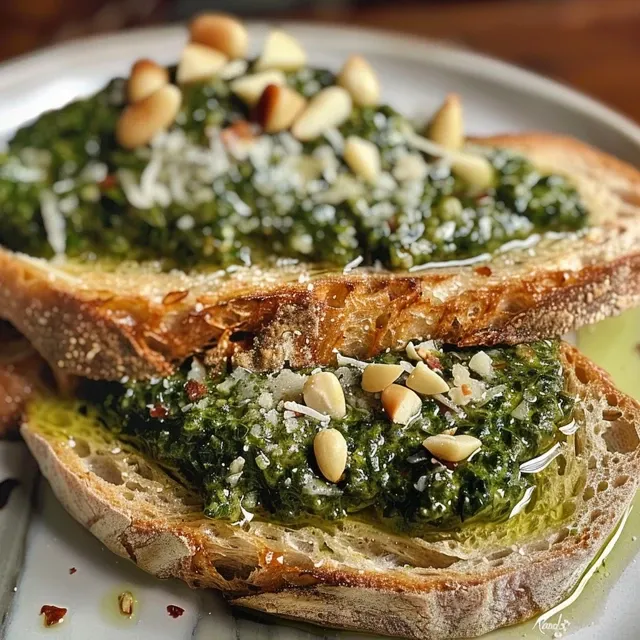
Tasty sourdough toast with a thick layer of homemade spinach pesto and fresh ingredients.

To make the most of your cooking experience, keep these expert tips in mind:

  • Fresh Ingredients: Always use the freshest spinach and basil for the best flavor.
  • Adjust the Texture: If you prefer a chunkier pesto, pulse the ingredients less.
  • Egg Timing: Use a timer for your eggs to ensure they reach the desired doneness.
  • Heat Control: Keep the water at a gentle boil to prevent the eggs from bouncing around and cracking.
  • Toast Variations: Experiment with different types of bread like whole grain or gluten-free for a unique twist.
  • Storage: Store leftover pesto in an airtight container in the fridge for up to a week.
  • Extra Flavor: Try adding herbs like dill or parsley to the pesto for different flavor profiles.
  • Serving Style: For a brunch spread, serve the toast alongside a fresh salad or fruit.

Common Mistakes and Troubleshooting

Even the best cooks can run into challenges. Here’s how to avoid common pitfalls:

  • Overcooking Eggs: If your egg yolks are hard instead of soft, reduce the cooking time by a minute.
  • Pesto Too Thick: If your pesto is too thick, add more olive oil or a splash of water to achieve the desired consistency.
  • Burned Toast: Keep an eye on your toast while it’s cooking, as it can go from golden to burnt quickly.
  • Flavor Too Strong: If the garlic flavor is overpowering, balance it out with more spinach or nuts.

Variations to Try

Feel free to customize your toast with these tasty variations:

  • Avocado Spinach Pesto Toast: Add sliced avocado on top for extra creaminess and healthy fats.
  • Smoked Salmon Delight: Top with smoked salmon for a savory seafood twist.
  • Vegetarian Option: Add roasted vegetables like bell peppers or zucchini for added flavor and texture.
  • Cheesy Spinach Pesto: Mix in additional cheese varieties like feta or goat cheese for a tangy kick.

Storage and Make-Ahead Instructions

To make your cooking experience even easier, consider these storage tips:

  • Pesto Storage: Store any leftover pesto in an airtight container in the fridge for up to 1 week. Drizzle a thin layer of olive oil on top to prevent browning.
  • Make-Ahead Eggs: Soft-boiled eggs can be made a few hours in advance. Just peel them before serving.
  • Toasted Bread: Toast the bread just before serving for the best texture; it’s best enjoyed fresh.

Frequently Asked Questions

Here are some common questions about making Spinach Pesto Sourdough Toast:

  • Can I use frozen spinach? Yes, but be sure to thaw and drain it well to avoid excess moisture.
  • How do I ensure my eggs are perfectly soft-boiled? Use a timer and gently lower them into boiling water for consistent results.
  • What can I substitute for pine nuts? Walnuts, almonds, or sunflower seeds work well as substitutes.
  • Can I make this recipe vegan? Yes! Use a vegan cheese substitute and skip the eggs.
  • How do I make the pesto creamier? Add more olive oil or a touch of cream to achieve your desired texture.
  • Can I add more ingredients to the pesto? Absolutely! Feel free to experiment with other herbs or nuts.
  • What’s the best way to serve this dish? Serve immediately after assembly for optimal flavor and freshness.
  • Can I store the toast? It’s best enjoyed fresh, but you can store leftovers in the fridge for a day.

Nutritional Tips and Dietary Adaptations

This recipe is not only delicious but also adaptable to various dietary preferences:

  • Gluten-Free: Use gluten-free bread to accommodate gluten sensitivities.
  • Dairy-Free: Substitute the Parmesan with nutritional yeast or a dairy-free cheese alternative.
  • Low-Carb: Serve the pesto over grilled zucchini or eggplant instead of bread for a low-carb option.

Equipment Recommendations

To make the cooking process smooth, I recommend having the following equipment on hand:

  • Food Processor: Essential for quickly blending the pesto ingredients.
  • Medium Saucepan: For boiling the eggs; choose one that’s large enough to fit the eggs comfortably.
  • Toaster or Grill: For achieving the perfect toast on your sourdough.

Serving Suggestions

For an even more delightful meal, consider serving your Spinach Pesto Sourdough Toast with:

  • Fresh Fruits: A side of mixed berries or sliced oranges for a refreshing contrast.
  • Salads: A simple arugula or mixed greens salad drizzled with lemon vinaigrette.
  • Smoothies: Pair it with a colorful smoothie for a balanced breakfast.

With this comprehensive guide, you’re well on your way to mastering a delicious Spinach Pesto Sourdough Toast. Enjoy the process, and remember, cooking should be fun and fulfilling. Happy cooking!

Spinach Pesto Sourdough Toast

Prep Time 10 minutes
Cook Time 15 minutes
Total Time 25 minutes
Servings 2 servings
Calories 350
A vibrant and flavorful breakfast featuring homemade spinach pesto, soft-boiled eggs, and toasted sourdough bread for a satisfying start to your day.

Ingredients

Spinach Pesto

  • 2 cups fresh baby spinach, packed
  • 0.25 cup fresh basil leaves
  • 0.25 cup toasted pine nuts
  • 1 small garlic clove
  • 0.25 cup grated Parmesan cheese
  • 1 tablespoon lemon juice
  • to taste Salt and black pepper

Toast and Eggs

  • 2 large slices sourdough bread
  • 2 large eggs
  • 1 tablespoon unsalted butter (optional)
  • to taste Freshly ground black pepper
  • for garnish Flaky sea salt, chili flakes or microgreens (optional for serving)

Instructions 

  • Combine spinach, basil, pine nuts, garlic, Parmesan, and lemon juice in a food processor. Pulse until finely chopped. Drizzle in olive oil until smooth. Season with salt and pepper.
  • Bring water to a gentle boil. Carefully lower eggs and cook for 6 minutes. Transfer to ice bath for 2 minutes, then peel.
  • Toast sourdough slices until golden. Optionally brush with butter while hot.
  • Spread pesto on toast. Halve eggs and place on top. Season with sea salt, black pepper, and optional chili flakes or microgreens.
  • Serve immediately while warm.

Notes

For extra richness, brush the toast with butter before adding pesto.
Calories: 350kcal
Cost: $12
Course: Breakfast
Cuisine: American
Keyword: Eggs, Pesto, Spinach

When the weather turns chilly, there’s nothing quite like a bowl of warm, comforting soup to bring joy to your day. This roasted pumpkin soup is not only delicious but also incredibly easy to prepare. With just a handful of simple ingredients, you can create a flavorful dish that’s perfect for weeknight dinners or as a cozy lunch. Plus, it’s versatile enough to cater to various dietary preferences. Let’s dive into how to make this delightful soup!

Why You’ll Love This Recipe

This roasted pumpkin soup is more than just a meal; it’s an experience. Here are five reasons why you’ll love making this recipe:

  • Simple ingredients: All you need are basic pantry staples and fresh produce.
  • Flavorful depth: Roasting enhances the natural sweetness of the pumpkin, creating a rich flavor.
  • Customizable: Easily adapt the recipe for vegan or gluten-free diets.
  • Quick prep time: The recipe takes minimal time to prepare, making it perfect for busy evenings.
  • Perfect for meal prep: Make a big batch and enjoy leftovers throughout the week!

Ingredient Breakdown

Let’s take a closer look at the ingredients you’ll need for this roasted pumpkin soup:

  • 2 butternut squash, halved lengthwise: Butternut squash is sweet and creamy, perfect for soups. You can substitute with sugar pumpkins or other winter squashes if needed.
  • 2 large onions, halved and peeled: Onions add depth to the flavor. Yellow or sweet onions work best.
  • 2 bulbs garlic, skins left on, tops trimmed: Roasting garlic mellows its flavor, adding richness to the soup.
  • 5 tablespoons extra virgin olive oil: Use high-quality olive oil for the best taste. Coconut oil can be used as a substitute for a different flavor.
  • 1 teaspoon salt, plus more for seasoning: Salt enhances all the flavors; adjust according to your taste.
  • 1 teaspoon freshly cracked black pepper: Freshly cracked pepper adds a nice kick.
  • 1/2 cup water: To help steam the vegetables in the oven.
  • 4 cups chicken broth, at room temperature: Vegetable broth can be used for a vegan option.
  • Sliced sourdough bread for serving (optional): Great for dipping! Feel free to use any crusty bread.
  • Sour cream for garnish (optional): Adds creaminess; you can substitute with Greek yogurt.
  • Chopped chives for garnish (optional): Fresh herbs brighten the dish. Other herbs like parsley or cilantro work well too.
  • Red pepper flakes for garnish (optional): A sprinkle of heat can elevate the dish.

Pro Tips for Perfect Pumpkin Soup

To ensure your pumpkin soup is a hit, consider these expert tips:

  • Roast until caramelized: Ensure the squash and onions are well-roasted for a deeper flavor.
  • Blend it smooth: Use an immersion blender for a silky texture; if you don’t have one, a regular blender works too—just allow the soup to cool slightly.
  • Adjust the consistency: If the soup is too thick, add more broth or water until you reach your desired consistency.
  • Season gradually: Taste and adjust seasonings as you go; this ensures the best flavor.
  • Experiment with spices: Add a pinch of nutmeg or cinnamon for warmth.
  • Make it a meal: Serve with a side salad or protein for a complete dinner.
  • Garnish generously: Don’t skip the garnishes; they add an extra layer of flavor and texture.
  • Store properly: Keep leftovers in an airtight container in the fridge for up to 5 days.

Common Mistakes and Troubleshooting

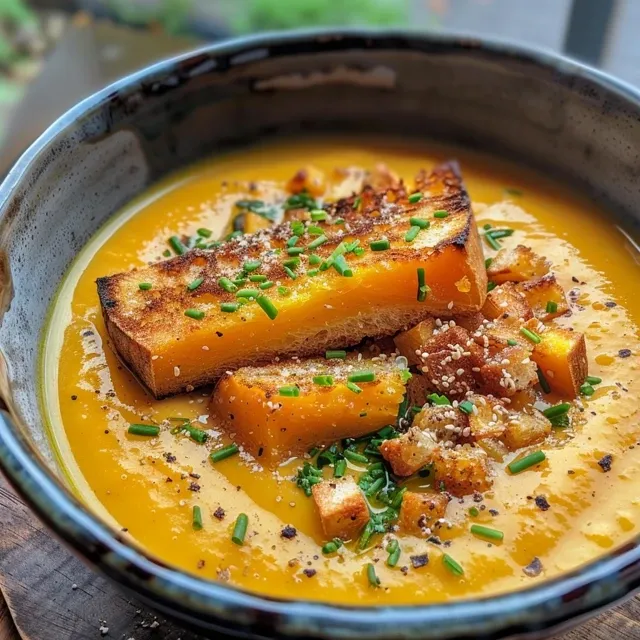
Gourmet presentation of roasted pumpkin soup with optional sour cream and bread on the side.

Even the best cooks make mistakes! Here’s how to avoid common pitfalls:

  • Under-roasting vegetables: Make sure they’re tender and caramelized for the best flavor.
  • Not blending long enough: Blend until completely smooth to avoid a gritty texture.
  • Skipping the seasoning: Always taste before serving; seasoning is key!
  • Using cold broth: Room temperature broth integrates better into the soup.

Variations to Try

This recipe is flexible and can be tailored to your taste. Here are some tasty variations:

  • Coconut milk twist: Replace some of the broth with coconut milk for a creamy, tropical flavor.
  • Spicy kick: Add diced jalapeños during roasting for a spicy version.
  • Herb-infused: Stir in fresh thyme or rosemary during blending for an aromatic touch.
  • Curried flavor: Add curry powder to the vegetables before roasting for an exotic flavor profile.

Storage and Make-Ahead Instructions

This roasted pumpkin soup is perfect for meal prep! Here’s how to store it:

  • Refrigerator: Store cooled soup in an airtight container for up to 5 days.
  • Freezer: Freeze in portions for up to 3 months. Thaw in the fridge overnight before reheating.
  • Make-ahead: You can roast the vegetables a day in advance and blend them when you’re ready to serve.

Frequently Asked Questions

Got questions? Here are some common queries about this roasted pumpkin soup recipe:

  • Can I use canned pumpkin? Yes, you can substitute canned pumpkin puree. Use about 2 cups and skip the roasting step.
  • Is this soup vegan? Yes, just use vegetable broth and skip the sour cream.
  • How can I thicken the soup? If you prefer a thicker soup, add more pumpkin or reduce the broth.
  • Can I add other vegetables? Absolutely! Carrots, sweet potatoes, or celery can be great additions.
  • What spices work well? Consider adding cumin, coriander, or even a pinch of smoked paprika for extra depth.
  • Is this soup gluten-free? Yes, as long as you use gluten-free bread for serving.
  • How long does it take to make? The total time is about 2 hours, including roasting and blending.
  • Can I serve it cold? Yes! This soup can be enjoyed chilled as well.

Nutrition Tips and Dietary Adaptations

This roasted pumpkin soup is packed with nutrients. Here are some tips for making it even healthier:

  • Boost fiber: Add a can of drained beans for added protein and fiber.
  • Lower fat option: Use less olive oil or substitute with a cooking spray.
  • Vegan option: Use coconut cream instead of sour cream for a rich finish without dairy.

Equipment Recommendations

Here’s what you’ll need for making this soup:

  • Baking sheet: A large baking sheet for roasting the vegetables.
  • Immersion blender: For easy blending, though a regular blender works too.
  • Large pot: To combine all the ingredients after blending.
  • Measuring cups and spoons: For precise ingredient measurements.

Serving Suggestions

Ready to serve your delicious soup? Here are some great serving ideas:

  • Accompany with bread: Serve with warm, crusty bread or croutons.
  • Top with garnishes: Sour cream, chives, and red pepper flakes elevate the dish.
  • Pair with a salad: A fresh green salad makes for a balanced meal.

In conclusion, this roasted pumpkin soup is not just a dish; it’s a comforting hug in a bowl. With its rich flavors, simple ingredients, and endless variations, you’ll want to make it again and again. So gather your ingredients, embrace your inner chef, and let this recipe warm your heart and soul. Happy cooking!

Roasted Pumpkin Soup

Prep Time 15 minutes
Cook Time 1 hour 30 minutes
Total Time 1 hour 45 minutes
Servings 4 servings
Calories 180
A warm and comforting pumpkin soup made with roasted butternut squash, onions, and garlic, perfect for cozy days.

Ingredients

Vegetables

  • 2 pieces butternut squash, halved lengthwise
  • 2 pieces large onions, halved and peeled
  • 2 bulbs garlic, skins left on, tops trimmed
  • 5 tablespoons extra virgin olive oil
  • 1 teaspoon salt, plus more for seasoning
  • 1 teaspoon freshly cracked black pepper, plus more for seasoning
  • 0.5 cup water
  • 4 cups chicken broth, at room temperature
  • sliced for serving sourdough bread (optional)
  • sour cream for garnish sour cream (optional)
  • chopped for garnish chives (optional)
  • red pepper flakes for garnish red pepper flakes (optional)

Instructions 

  • Preheat oven to 350°F (180°C). Place vegetables on a baking sheet, drizzle with olive oil, and season with salt and pepper. Roast for 45 minutes.
  • Add water, cover with foil, and roast for another 45 minutes until tender. Cool slightly, then squeeze garlic from skins.
  • Scoop pumpkin flesh into a pot with onions and garlic. Add chicken broth and blend until smooth. Warm through and season to taste.

Notes

For extra flavor, garnish with sour cream, chives, and red pepper flakes.
Calories: 180kcal
Cost: $15
Course: Soup
Cuisine: American
Keyword: pumpkin

Unleash the Flavor: Your Ultimate Guide to BBQ Chicken Bowls

Welcome to your new favorite weeknight dinner! This easy BBQ Chicken Bowl recipe is a delightful fusion of tender chicken, vibrant vegetables, and zesty BBQ sauce, all served over fluffy rice. Perfect for busy evenings, this dish can be on your table in under an hour, making it an ideal choice for families or anyone looking to enjoy a homemade meal without the fuss. Let’s dive into the details and discover why you’ll love this recipe!

Why You’ll Love This Recipe

  • Quick and Easy: Get dinner on the table in under 60 minutes; perfect for those hectic weeknights.
  • Flavor-Packed: Succulent BBQ chicken paired with roasted vegetables and creamy coleslaw creates a symphony of flavors.
  • Customizable: Make it your own! Swap ingredients based on what you have or your dietary needs.
  • Meal Prep Friendly: Prepare components ahead of time for easy assembly during busy days.
  • Family-Friendly: A dish that pleases everyone, from picky eaters to health-conscious family members.

Ingredient Breakdown

Here’s everything you need to make these incredible BBQ Chicken Bowls:

  • Chicken: 4 boneless, skinless chicken breasts (about 1.3 lbs) – a lean protein that cooks quickly and absorbs flavor well.
  • BBQ Sauce: 1 cup of your favorite BBQ sauce – choose a sweet or tangy sauce based on your taste preference.
  • Olive Oil: 1 tablespoon for cooking the chicken and roasting the vegetables.
  • Seasonings: 1/2 teaspoon salt and 1/4 teaspoon black pepper to enhance flavors.
  • Rice: 1 1/2 cups of long grain white rice, providing a fluffy base.
  • Vegetables: 2 cups shredded green cabbage, 1 cup shredded red cabbage, and 1 cup grated carrot for a crunchy coleslaw.
  • Coleslaw Dressing: 1/4 cup mayonnaise, 1 tablespoon apple cider vinegar, and 1 teaspoon honey for a creamy tang.
  • Roasted Veggies: 1 red bell pepper, 1 zucchini, 1 red onion, and 1 cup broccoli florets, tossed with olive oil, paprika, salt, and pepper.

Expert Tips for Success

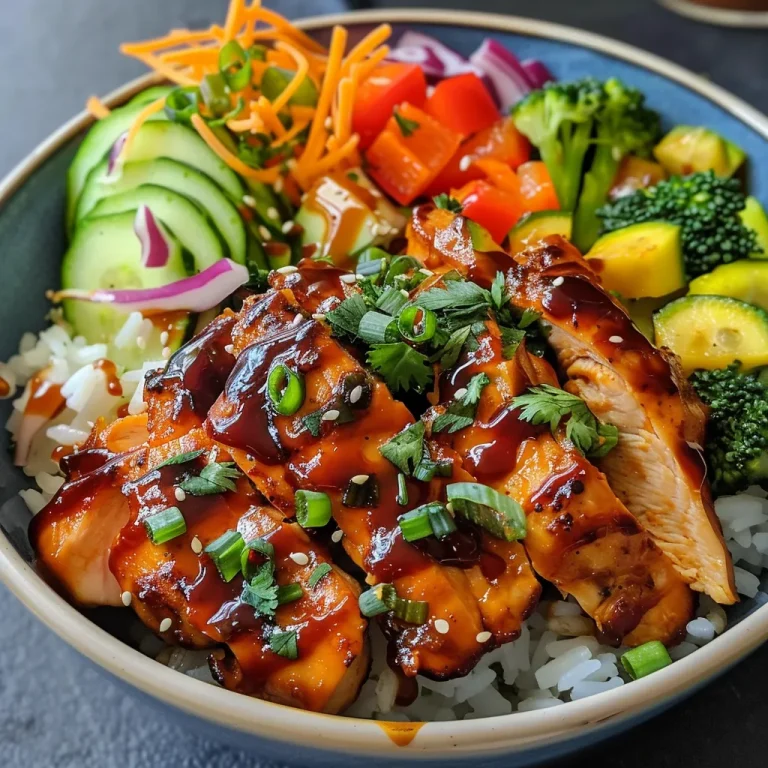
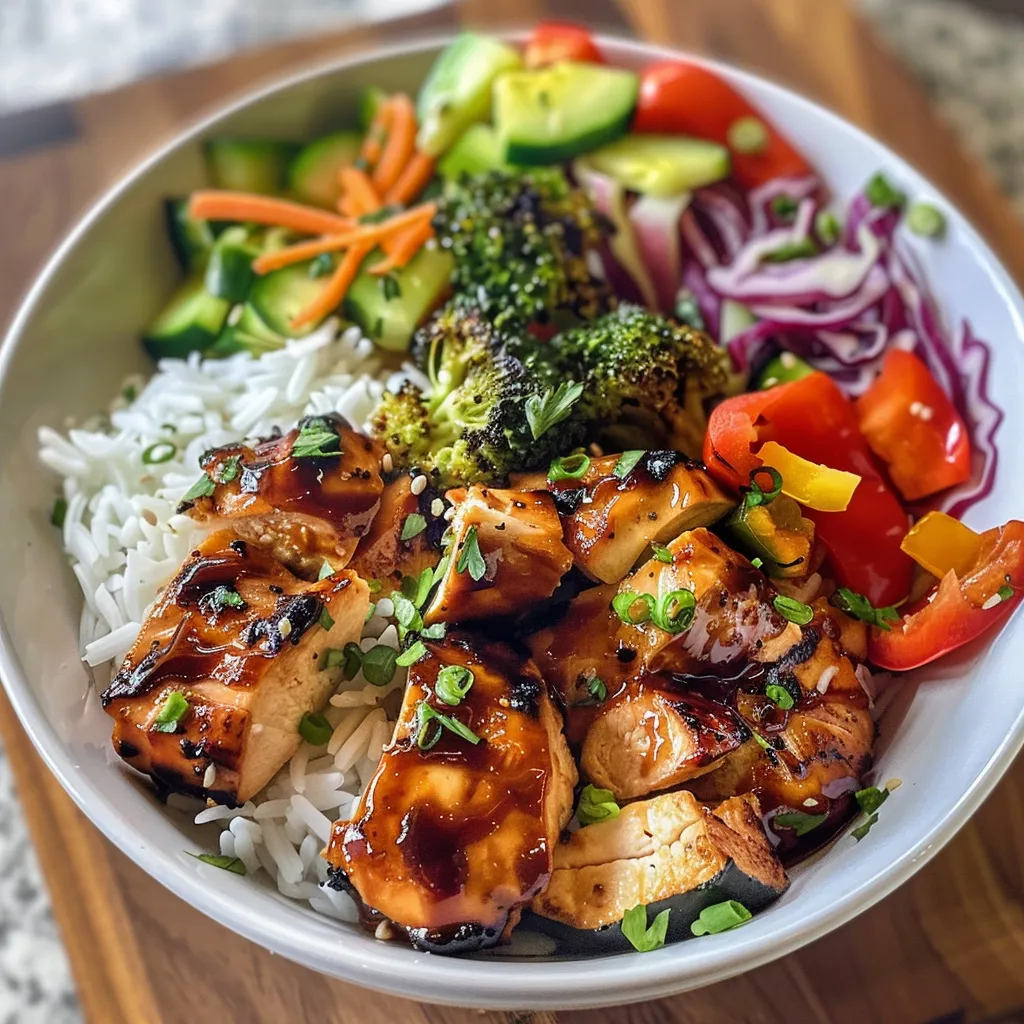
Close-up shot of a BBQ chicken bowl filled with layers of BBQ chicken, rice, and mixed vegetables.
  • Pat Dry: Always pat your chicken dry before seasoning and cooking to achieve a perfect sear.
  • Don’t Rush the Roasting: Allow veggies to roast until golden and tender for the best flavor; this usually takes about 20-25 minutes.
  • Slice Against the Grain: For tender chicken, slice against the grain after cooking.
  • Make Extra: Cook more chicken than needed for leftovers or lunch boxes; they taste great cold or reheated.
  • Season Layers: Season each component (chicken, rice, veggies) to build flavor depth.
  • Experiment with Sauces: Try different BBQ sauces or even a homemade BBQ glaze to switch up the flavor profile.
  • Chill Your Slaw: Let the coleslaw sit in the fridge for at least 30 minutes to develop its flavor.
  • Keep it Colorful: Use a variety of colorful vegetables for visual appeal and nutritional benefits.

Common Mistakes and Troubleshooting

Even the best of us make mistakes in the kitchen! Here’s how to avoid them:

  • Overcooking Chicken: Use a meat thermometer to ensure chicken reaches 165°F without drying out.
  • Under-seasoning: Taste as you go! Add salt and pepper incrementally until the flavors pop.
  • Sticky Rice: Rinse the rice thoroughly before cooking to remove excess starch and prevent stickiness.
  • Soupy Coleslaw: If your slaw is too watery, drain excess liquid before serving.

Delicious Variations to Try

Feeling adventurous? Here are some tasty variations of the BBQ Chicken Bowl:

  • Mexican Twist: Replace BBQ sauce with enchilada sauce and add black beans, corn, and avocado.
  • Asian-Inspired: Use teriyaki sauce instead of BBQ sauce, and serve with stir-fried vegetables.
  • Vegan Option: Substitute chicken with grilled tofu or chickpeas and use a plant-based BBQ sauce.
  • Spicy Kick: Add jalapeños or a spicy BBQ sauce for those who love heat.

Storage and Make-Ahead Instructions

This BBQ Chicken Bowl is perfect for meal prep! Here’s how to store and reheat:

  • Refrigerate: Store components separately in airtight containers for up to 4 days.
  • Freeze: The cooked chicken and roasted vegetables can be frozen for up to 3 months. Thaw overnight in the refrigerator before reheating.
  • Reheat: Warm in the microwave or on the stovetop until heated through. Avoid reheating coleslaw to preserve its crunch.

Comprehensive FAQ

  • How can I make this dish gluten-free? Use gluten-free BBQ sauce and ensure your rice is certified gluten-free.
  • Can I use brown rice instead of white rice? Yes, but be aware that brown rice requires a longer cooking time.
  • What if I don’t have BBQ sauce? You can make a quick homemade BBQ sauce using ketchup, vinegar, and spices.
  • How do I adjust for more servings? Simply multiply the ingredients by the number of servings needed, keeping the cooking times similar.
  • Can I use frozen vegetables? Yes! Just make sure to thaw them and pat dry before roasting.
  • What’s a good side dish to serve? Cornbread or a simple green salad pairs beautifully with this dish.
  • How can I add more protein? Consider adding black beans or chickpeas into the rice mix for added protein.
  • Is this recipe kid-friendly? Absolutely! It’s customizable, allowing kids to pick their favorite toppings.

Nutritional Tips and Dietary Adaptations

Make this dish fit your dietary needs with these tips:

  • Low-Calorie: Use skinless chicken thighs or decrease the amount of BBQ sauce used.
  • High-Protein: Increase chicken portions or add legumes like lentils or beans.
  • Vegetarian: Swap chicken for roasted chickpeas or a hearty grain like quinoa.

Essential Equipment Recommendations

Here’s what you’ll need to make this recipe:

  • Non-stick Skillet: For perfectly seared chicken.
  • Baking Sheet: To roast your veggies evenly.
  • Rice Cooker or Saucepan: For cooking the rice effortlessly.
  • Mixing Bowls: For preparing coleslaw and marinating chicken.

Serving Suggestions

Make your BBQ Chicken Bowls even more exciting with these serving ideas:

  • Garnish: Top with fresh cilantro or sliced green onions for a pop of color and flavor.
  • Sauces: Offer additional BBQ sauce or hot sauce on the side for those who like it saucy.
  • Crunch Factor: Add tortilla chips or crispy onions on top for an extra crunch.

In conclusion, these Ultimate BBQ Chicken Bowls are a perfect blend of flavor, nutrition, and ease. Whether you’re cooking for a family or just yourself, this recipe has the flexibility to cater to your needs. So gather your ingredients, unleash your inner chef, and enjoy a satisfying meal that you can feel good about. Happy cooking!

BBQ Chicken Bowl

Prep Time 15 minutes
Cook Time 45 minutes
Total Time 1 hour
Servings 4 servings
Calories 650
A flavorful and hearty bowl combining tender BBQ chicken, roasted vegetables, rice, and crunchy coleslaw for a satisfying meal.

Ingredients

Protein

  • 4 pieces boneless, skinless chicken breasts (about 1.3 lbs)
  • 1 cup BBQ sauce
  • 1 tablespoon olive oil
  • 1 1/2 cups long grain white rice
  • 3 cups water
  • 1/2 teaspoon salt
  • 2 cups shredded green cabbage
  • 1 cup shredded red cabbage
  • 1 cup grated carrot
  • 1/4 cup mayonnaise
  • 1 tablespoon apple cider vinegar
  • 1 teaspoon honey
  • 1 red bell pepper sliced
  • 1 zucchini sliced
  • 1 red onion cut into wedges
  • 1 cup broccoli florets
  • 2 tablespoons olive oil
  • 1/2 teaspoon paprika

Salt and black pepper to taste

Instructions 

  • Preheat oven to 425°F (220°C). Cook rice in boiling water with salt for 15-18 minutes, then fluff and set aside.
  • Toss bell pepper, zucchini, red onion, and broccoli with olive oil, paprika, salt, and pepper. Roast for 20-25 minutes until tender.
  • Mix mayonnaise, vinegar, honey, salt, and pepper to make coleslaw dressing. Toss with cabbages and carrot. Chill until serving.
  • Season chicken breasts with salt and pepper. Sear in olive oil over medium-high heat for 4-5 minutes per side. Brush with BBQ sauce and cook 1-2 minutes more per side. Slice when cooked.
  • Divide rice among bowls, top with sliced BBQ chicken, roasted vegetables, and coleslaw. Drizzle with extra BBQ sauce if desired.

Notes

For extra flavor, brush the chicken with additional BBQ sauce before serving.
Calories: 650kcal
Cost: $15
Course: Main Course
Cuisine: American
Keyword: BBQ Chicken

Mastering Chicken Pesto Pasta: Your Ultimate Guide

Welcome to the world of Chicken Pesto Pasta, a delightful dish that transforms your weeknight dinners into something extraordinary! In just a few simple steps, you can create a flavorful meal that combines tender chicken, vibrant pesto, and your choice of pasta. Not only is this dish quick to prepare, but it’s also packed with fresh ingredients and comforting flavors, making it perfect for busy evenings. Let’s dive into how to create this delicious pasta dish that will impress your family and friends alike!

Why You’ll Love This Recipe

  • Quick and Easy: This recipe comes together in under 30 minutes, freeing up your time for family or relaxation.
  • Flavorful Ingredients: The combination of fresh basil, garlic, and Parmesan creates a sauce that’s bursting with flavor.
  • Customizable: Feel free to use any pasta shape you enjoy, or add in roasted vegetables for extra nutrition and color.
  • One-Pan Wonder: Most of the cooking occurs in one skillet, making clean-up a breeze!
  • Perfect for Meal Prep: This dish keeps well, so you can enjoy leftovers for lunch the next day.

Ingredients Breakdown

Here’s what you’ll need to make your Chicken Pesto Pasta:

  • 2 boneless, skinless chicken breasts: A lean protein option that cooks quickly. You can substitute with chicken thighs for a richer flavor.
  • 8 oz pasta: Penne, fusilli, or spaghetti work great. Use whole wheat or gluten-free pasta if preferred.
  • 1 cup pesto: Homemade or store-bought. For a dairy-free option, use a vegan pesto.
  • 1 tablespoon olive oil: Extra-virgin olive oil is ideal for sautéing the chicken.
  • 2 garlic cloves, minced: Fresh garlic enhances the dish’s flavor profile.
  • Salt and pepper: Essential for seasoning the chicken and the pasta.
  • 1/4 cup grated Parmesan cheese: Adds a creamy, salty finish. Omit for a dairy-free version.
  • 1/4 cup reserved pasta water: Helps to adjust the sauce’s consistency.
  • Optional: Serve with cherry tomatoes or steamed green beans for a colorful touch.

Step-by-Step Instructions

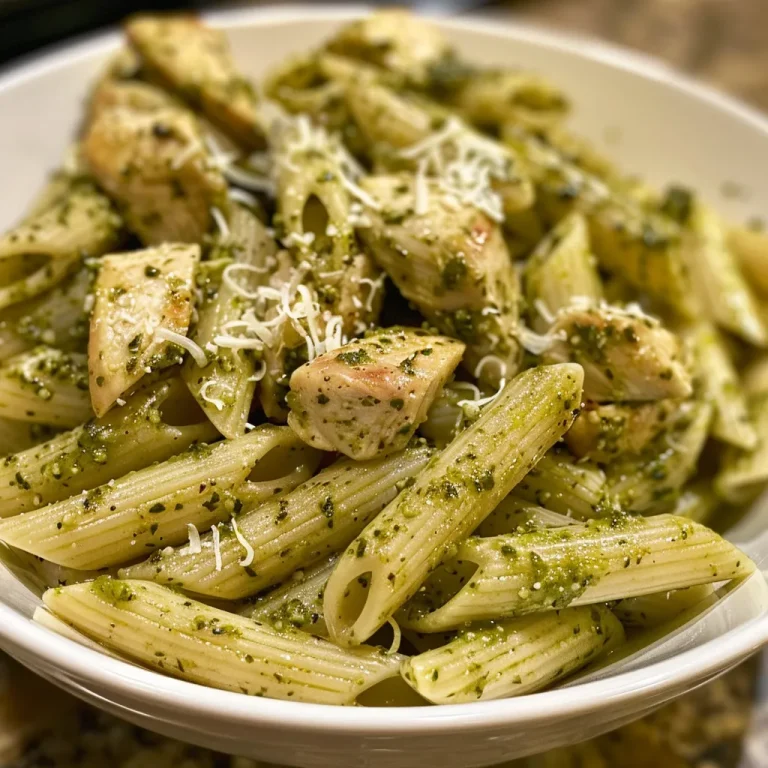
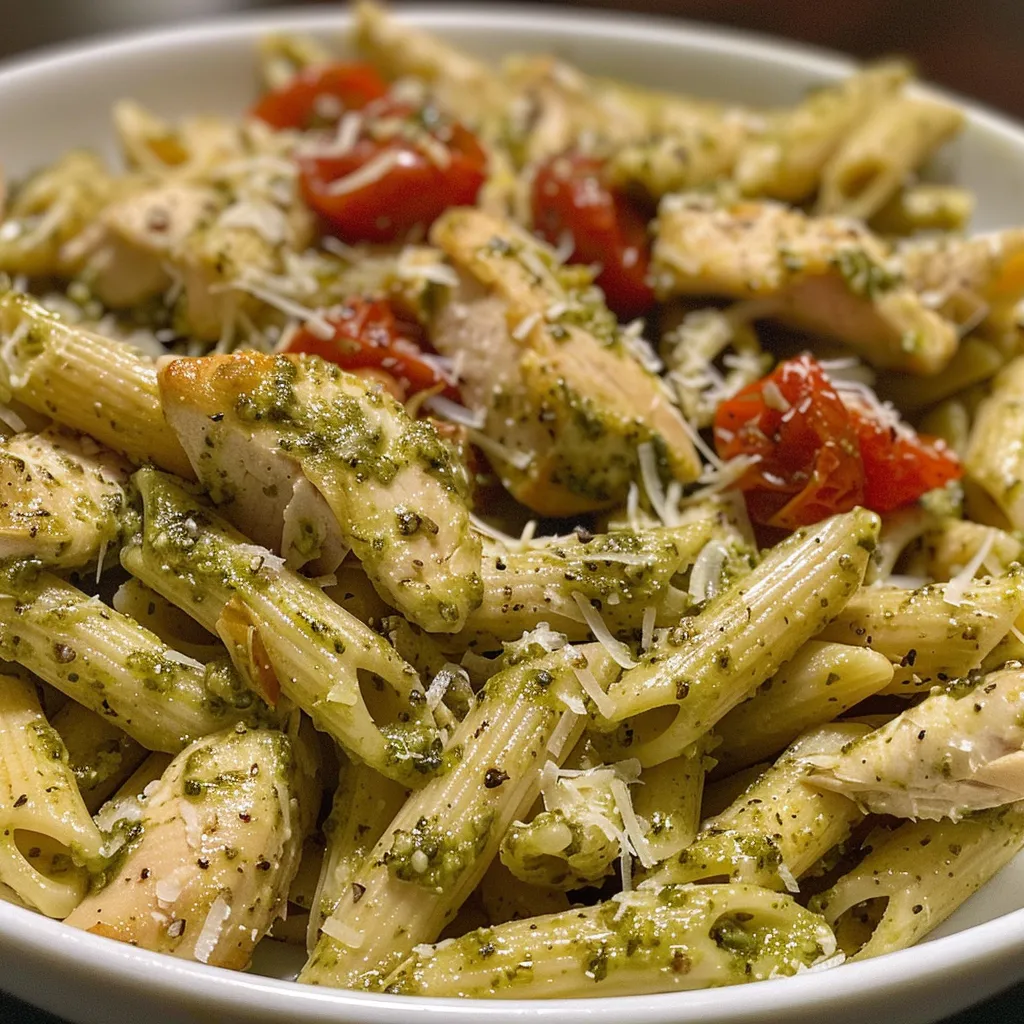
A delicious plate of Chicken Pesto Pasta, showcasing the texture of the pasta and sauce.

Now that you have your ingredients ready, let’s walk through the cooking process step by step:

  • Step 1: Cook the Pasta
    Bring a large pot of salted water to a boil. Add the pasta and cook according to package directions until al dente. Before draining, reserve 1/4 cup of the pasta water. Drain and set aside.
  • Step 2: Sear the Chicken
    While the pasta is cooking, season the chicken breasts with salt and pepper. In a large skillet, heat the olive oil over medium heat. Add the chicken and cook for about 6–7 minutes per side or until golden brown and cooked through. Remove from the pan and let it rest for a few minutes before slicing into strips.
  • Step 3: Make It Saucy
    In the same skillet, add the minced garlic and sauté for about 30 seconds until fragrant. Reduce the heat to low, then stir in the pesto and a splash of the reserved pasta water to loosen the sauce. Let it warm gently.
  • Step 4: Bring It All Together
    Toss the cooked pasta into the skillet with the pesto sauce. Add the sliced chicken and mix everything until well coated. If the sauce feels too thick, add a bit more pasta water to help it cling beautifully to every noodle.
  • Step 5: Serve and Savor
    Divide the chicken pesto pasta between plates, sprinkle with Parmesan, and serve warm. For extra color and freshness, top with halved cherry tomatoes or steamed green beans.

Pro Tips for Perfecting Your Dish

Here are some expert insights to elevate your Chicken Pesto Pasta:

  • Don’t Overcook the Pasta: Aim for al dente to ensure the pasta holds its shape and texture.
  • Use Fresh Ingredients: Fresh basil and quality olive oil will make a noticeable difference in flavor.
  • Adjust the Sauce: If the pesto is too thick, don’t hesitate to add more reserved pasta water.
  • Let the Chicken Rest: Allowing the chicken to rest before slicing keeps it juicy and tender.
  • Experiment with Flavors: Add crushed red pepper flakes for a spicy kick or a squeeze of lemon juice for brightness.
  • Try Different Proteins: Swap chicken for shrimp or even tofu for a vegetarian option.
  • Make It Creamy: Stir in a splash of cream or Greek yogurt for extra richness.
  • Garnish Thoughtfully: Fresh herbs or a sprinkle of nuts can add texture and flavor.

Common Mistakes and Troubleshooting

Even the best cooks can run into issues. Here are some common mistakes to avoid:

  • Overcooking Chicken: Keep an eye on the chicken to prevent dryness. Use a meat thermometer to ensure it reaches 165°F.
  • Too Much Sauce: If you find your pasta swimming in sauce, reduce the amount of pesto or add more pasta.
  • Flavor Imbalance: Always taste and adjust seasoning before serving. A pinch of salt can enhance all the flavors.

Variations to Try

Looking to mix things up? Here are some delicious variations of Chicken Pesto Pasta:

  • Sun-Dried Tomato Pesto: Substitute traditional pesto with sun-dried tomato pesto for a rich, tangy twist.
  • Pesto Primavera: Add seasonal vegetables like zucchini, bell peppers, and asparagus for a colorful, nutritious addition.
  • Pesto Alfredo: Combine pesto with a creamy Alfredo sauce for a luxurious version of this dish.
  • Whole Grain Option: Use whole grain pasta or zoodles (zucchini noodles) for a healthier alternative.

Storage and Make-Ahead Instructions

Want to make this dish ahead of time? Here’s how to store it:

  • Refrigeration: Store leftover chicken pesto pasta in an airtight container in the fridge for up to 3 days.
  • Freezing: You can freeze the pasta for up to 2 months. Reheat gently on the stove with a splash of water or broth.
  • Make-Ahead: Prepare the chicken and pesto separately and combine them with freshly cooked pasta when ready to serve.

Frequently Asked Questions

Here are answers to some common questions about Chicken Pesto Pasta:

  • Can I use store-bought pesto? Yes, high-quality store-bought pesto is a great time-saver and works well in this recipe.
  • Is this dish gluten-free? You can make it gluten-free by using gluten-free pasta.
  • Can I add other proteins? Absolutely! Shrimp, sausage, or even chickpeas can be delicious alternatives.
  • What can I serve with chicken pesto pasta? It pairs well with a fresh salad or garlic bread for a complete meal.
  • How can I make it dairy-free? Use vegan pesto and skip the Parmesan cheese for a dairy-free version.
  • Can I use frozen chicken? Yes, just ensure it’s fully thawed before cooking for even cooking.
  • What if I don’t have fresh basil? You can use spinach or arugula as a substitute, though the flavor will differ slightly.
  • How long does it take to prepare? This dish takes about 30 minutes from start to finish, perfect for a busy weeknight!

Nutrition Tips and Dietary Adaptations

This dish can be adapted to fit various dietary preferences:

  • Low-Carb: Substitute pasta with zucchini noodles or spaghetti squash.
  • High-Protein: Add chickpeas or lentils for extra protein without the meat.
  • Vegan: Use a plant-based pesto and omit cheese for a completely vegan dish.

Recommended Equipment

To make your cooking experience seamless, here’s some equipment you might find useful:

  • Large Pot: For boiling pasta.
  • Skillet: A wide skillet is best for sautéing chicken and mixing the pasta.
  • Meat Thermometer: Ensures your chicken is cooked to perfection.
  • Wooden Spoon: Great for mixing and tossing the pasta.

Serving Suggestions

When it comes to serving, consider these ideas:

  • Garnish: Freshly chopped basil or parsley enhances presentation.
  • Accompaniments: Pair with a crisp side salad or roasted vegetables.
  • Beverages: A chilled white wine or sparkling water complements the dish beautifully.

In conclusion, Chicken Pesto Pasta is not just a meal; it’s an experience that brings joy and comfort to your table. With its delicious flavors and simple instructions, this dish will become a staple in your kitchen. Remember, cooking is all about enjoying the process and sharing good food with loved ones. So roll up your sleeves, gather your ingredients, and let’s make some magic together!

Chicken Pesto Pasta

Prep Time 10 minutes
Cook Time 20 minutes
Total Time 30 minutes
Servings 4 servings
Calories 650
A quick and flavorful dish combining tender chicken, pasta, and vibrant pesto sauce for a satisfying meal.

Ingredients

Protein

  • 2 pieces boneless, skinless chicken breasts

Pasta

  • 8 oz pasta (penne, fusilli, or spaghetti)

Sauce

  • 1 cup pesto (homemade or store-bought)
  • 1 tablespoon olive oil
  • 2 cloves garlic, minced
  • to taste Salt and pepper
  • 1/4 cup grated Parmesan cheese
  • 1/4 cup reserved pasta water (set aside before draining pasta)

Optional toppings

  • N/A cherry tomatoes or steamed green beans (for serving)

Instructions 

  • Cook the pasta in salted boiling water until al dente, then reserve 1/4 cup of water and drain.
  • Season chicken with salt and pepper, then cook in olive oil over medium heat for 6–7 minutes per side. Rest and slice.
  • Sauté garlic in the same skillet, add pesto and a splash of reserved pasta water, warming gently.
  • Toss cooked pasta with pesto sauce, add sliced chicken, and mix well. Adjust sauce with more pasta water if needed.
  • Serve topped with Parmesan and optional cherry tomatoes or green beans.

Notes

Use high-quality pesto for best flavor. You can substitute chicken with other proteins or add vegetables for variety.
Calories: 650kcal
Cost: $15
Course: Main Course
Cuisine: Italian
Keyword: Chicken, Pasta, Pesto

Welcome to your new favorite recipe! This vegetable soup is a delightful mix of flavors and nutrients, making it perfect for those hectic weeknight dinners. Whether you’re rushing home from work or simply looking for a warm bowl of comfort, this soup will warm your soul and satisfy your hunger. Let’s dive into how to make this easy and delicious dish!

Why You’ll Love This Recipe

  • Comforting and Hearty: This soup is packed with vegetables and spices, providing a warm hug in a bowl.
  • Easy to Make: With simple ingredients and straightforward steps, this recipe is beginner-friendly.
  • Customizable: You can easily swap in your favorite veggies or proteins to suit your taste.
  • Meal Prep Friendly: Make a big batch on Sunday, and enjoy it throughout the week—perfect for lunches or quick dinners!
  • Healthy and Nutritious: Full of vitamins, fiber, and protein, this soup is a nourishing choice for any meal.

Ingredients Breakdown

Here’s everything you need to create this best vegetable soup:

  • 1 tablespoon olive oil or coconut oil: For sautéing, choose a light flavor that complements the vegetables.
  • 1 yellow onion (diced): Adds a sweet and savory base to the soup.
  • 1 cup carrots (sliced 1/4-inch thick): Sweetness and color enhance the soup’s appeal.
  • 4-6 garlic cloves (minced): Provides a rich depth of flavor.
  • 1 1/2-2 tablespoons curry powder: For a warming spice kick (use more for extra heat).
  • 1 ½ teaspoons salt: Essential for bringing out the flavors of the vegetables.
  • 1 teaspoon dried basil: Adds a lovely herbal note.
  • 1/2 teaspoon each of ground cumin, ground coriander, paprika, turmeric, and pepper: A complex flavor profile that enhances the soup.
  • 1/4-1/2 teaspoon red pepper flakes: Adjust to taste for some added heat.
  • 1 large sweet potato (peeled and chopped into 1/2-inch cubes): Adds natural sweetness and makes the soup heartier.
  • 2 15-oz cans chickpeas (drained): Packed with protein and fiber, making this soup filling.
  • 2 bay leaves: Infuses the soup with a subtle aroma.
  • 4 cups low sodium vegetable broth: The base of your soup that ties all flavors together.
  • 2 13.5-oz cans quality coconut milk (full fat, unsweetened): Adds creaminess and richness.
  • 1 1/2 tablespoons cornstarch: Helps to thicken the soup for a satisfying texture.
  • 2 cups cauliflower: A nutritious addition that adds texture.
  • 5 oz. (1 heaping cup) green beans (trimmed, chopped into 1-inch pieces): Adds crunch and color.
  • 1 zucchini (quartered, sliced 3/8-inch thick): Lightly sweet and tender when cooked.
  • 2 tablespoons less sodium soy sauce: Enhances the umami flavor.
  • 1 tablespoon brown sugar: Balances the acidity from the tomatoes.
  • 3 tablespoons finely chopped cilantro (plus more for serving): Freshness that brightens the entire dish.
  • 2 tablespoons lime juice (plus more for serving): Adds a zesty finish.
  • Rice for serving (optional): Makes the soup even more satisfying.

Step-by-Step Instructions

Now that you have your ingredients ready, let’s get cooking!

  • Sauté Vegetables: Heat one tablespoon of oil over medium-high heat in a large Dutch oven. Sauté the onions for 5 minutes, then add the carrots, garlic, and spices (through red pepper flakes). Sauté for two additional minutes.
  • Add Sweet Potatoes and Broth: Add the sweet potatoes, chickpeas, bay leaves, and vegetable broth. Bring to a boil while scraping up the bottom of the pan.
  • Simmer: Reduce to a simmer for 10 minutes. During the last few minutes, use the back of a wooden spoon to crush some chickpeas against the pot’s side. This will help give the soup body and thicken it.
  • Add Remaining Ingredients: Whisk the cornstarch with part of the coconut milk. Add it to the pot with all the “Add Later” ingredients (coconut milk through brown sugar). Simmer, uncovered, for 10 minutes, or until the potatoes are tender and the veggies reach the desired tenderness.
  • Add Fresh Ingredients: Stir in 3 tablespoons of cilantro and two tablespoons of lime juice. Adjust to taste by adding additional salt, lime juice, red pepper flakes, or curry powder. We love serving over rice!

Pro Tips for Perfect Vegetable Soup

Appetizing view of a mixed vegetable soup, featuring bright colors and textures.
  • Chop Uniformly: Ensure all vegetables are cut to a similar size for even cooking.
  • Adjust Spice Levels: Feel free to increase or decrease spices based on your preference.
  • Use Fresh Herbs: Fresh cilantro or parsley added before serving elevates the flavor.
  • Make Ahead: Prepare the soup a day in advance for enhanced flavors.
  • Freeze for Later: Portion and freeze leftovers for a quick meal later.
  • Experiment with Veggies: Use whatever vegetables you have on hand for a unique twist each time.
  • Don’t Skip the Lime: A squeeze of lime just before serving brightens the dish significantly.
  • Check Consistency: If the soup is too thick, add additional vegetable broth or water to adjust.

Common Mistakes and Troubleshooting

  • Too Thick: If your soup is thicker than desired, you can thin it out with additional broth or water.
  • Not Enough Flavor: Adjust with more salt, spices, or a splash of soy sauce to enhance the taste.
  • Overcooked Vegetables: Keep an eye on cooking times, especially for delicate vegetables like zucchini.

Variations to Try

  • Spicy Vegetable Soup: Add more red pepper flakes or a diced jalapeño for a kick.
  • Protein-Packed: Stir in cooked lentils, quinoa, or shredded chicken for added protein.
  • Thai Coconut Vegetable Soup: Swap curry powder for Thai red curry paste and add lime leaves.
  • Creamy Tomato Vegetable Soup: Use canned crushed tomatoes instead of broth for a tomato-based version.

Storage and Make-Ahead Instructions

This soup is perfect for meal prep! Here’s how to store and reheat:

  • Refrigerate: Store in an airtight container for up to 5 days.
  • Freeze: Portion into freezer-safe containers for up to 3 months. Thaw in the fridge overnight before reheating.
  • Reheat: Warm in a pot over medium heat or in the microwave until heated through.

Frequently Asked Questions (FAQ)

  • Can I use frozen vegetables? Yes! Frozen vegetables can be a convenient substitute.
  • How can I make this soup vegan? Ensure all broth and coconut milk are labeled vegan (they usually are).
  • What can I serve with vegetable soup? Consider crusty bread, a fresh salad, or rice for a complete meal.
  • Can I add pasta to this soup? Absolutely! Add cooked pasta during the last few minutes of simmering.
  • Is this soup gluten-free? Yes, as long as you use gluten-free soy sauce.
  • How long will leftovers last? Leftovers can be stored in the refrigerator for up to 5 days.
  • Can I make this soup in a slow cooker? Yes! Simply add all ingredients and cook on low for 6-8 hours.
  • What’s the best way to reheat this soup? Reheat on the stove or in the microwave until warmed through.

Nutrition Tips and Dietary Adaptations

This vegetable soup is naturally nutritious, but here are a few tips to make it even healthier:

  • Add Leafy Greens: Stir in spinach or kale just before serving for extra nutrients.
  • Reduce Sodium: Use low-sodium broth and limit added salt to keep it heart-healthy.
  • Gluten-Free Option: Use gluten-free soy sauce and ensure all other ingredients are gluten-free.
  • Protein Boost: Incorporate beans or lentils for a vegetarian protein punch.

Essential Equipment

To make this wholesome vegetable soup, you’ll need:

  • Large Dutch Oven: Ideal for simmering soups evenly.
  • Sharp Knife: For chopping vegetables with ease.
  • Wooden Spoon: Perfect for stirring and smashing chickpeas.
  • Measuring Cups and Spoons: To ensure accurate ingredient amounts.

Serving Suggestions

Ready to serve? Here are some ideas:

  • Top with Fresh Herbs: Sprinkle extra cilantro or parsley on top for a fresh finish.
  • Pair with Bread: Serve with crusty sourdough or garlic bread for a complete meal.
  • Drizzle with Olive Oil: A little drizzle of high-quality olive oil enhances flavor.
  • Serve with a Side Salad: A light salad can balance the heartiness of the soup.

Conclusion

This vegetable soup is more than just a meal; it’s a celebration of flavors and a comforting hug in a bowl. With its easy preparation and endless customization, it’s perfect for everyone—from busy professionals to families looking for nutritious options. Remember, there’s no right or wrong way to enjoy this soup—make it your own! So roll up your sleeves, gather your ingredients, and let’s get cooking. You’ve got this!

Best Vegetable Soup

Prep Time 15 minutes
Cook Time 30 minutes
Total Time 45 minutes
Servings 4 servings
Calories 350
A hearty and flavorful vegetable soup packed with spices, chickpeas, and coconut milk, perfect for a comforting meal.

Ingredients

Oil

  • 1 tablespoon olive oil or coconut oil ((divided))

Vegetables

  • 1 yellow onion yellow onion ((diced))
  • 1 cup carrots ((sliced 1/4-inch thick))
  • 4-6 garlic cloves garlic cloves ((minced))

Spices

  • 1.5-2 tablespoons curry powder (((2 for spicier)))
  • 1 ½ teaspoons salt salt
  • 1 teaspoon dried basil
  • 1/2 tsp ground cumin ground cumin
  • 1/2 tsp ground coriander ground coriander
  • 1/2 tsp paprika paprika
  • 1/2 tsp turmeric turmeric
  • 1/2 tsp pepper pepper
  • 1/4-1/2 tsp red pepper flakes red pepper flakes (((more or less to taste)))

Main ingredients

  • 1 large sweet potato ((peeled and chopped into 1/2-inch cubes))
  • 2 15-oz cans chickpeas ((drained))
  • 2 bay leaves bay leaves
  • 4 cups low sodium vegetable broth vegetable broth (vegetarian broth)
  • 2 13.5-oz cans coconut milk (full fat, unsweetened)
  • 1.5 tablespoons cornstarch

Additional vegetables

  • 2 cups cauliflower
  • 1 heaping cup green beans ((trimmed, chopped into 1-inch pieces))
  • 1 zucchini zucchini ((quartered, sliced 3/8-inch thick))

Flavorings

  • 2 tablespoons less sodium soy sauce
  • 1 tablespoon brown sugar

Herbs and citrus

  • 3 tablespoons finely chopped cilantro (plus more for serving)
  • 2 tablespoons lime juice (plus more for serving)

Optional

  • Rice optional Rice for serving

Instructions 

  • Heat 1 tablespoon of oil in a large Dutch oven. Sauté onions for 5 minutes, then add carrots, garlic, and spices; cook for 2 minutes.
  • Add sweet potatoes, chickpeas, bay leaves, and vegetable broth. Bring to a boil, then simmer for 10 minutes, crushing some chickpeas to thicken.
  • Whisk cornstarch with part of coconut milk, then add to the pot along with remaining coconut milk, cauliflower, green beans, zucchini, soy sauce, and brown sugar. Simmer uncovered for 10 minutes until vegetables are tender.
  • Stir in cilantro and lime juice. Adjust seasoning to taste. Serve over rice if desired.

Notes

For extra flavor, garnish with additional cilantro and a squeeze of lime before serving.
Calories: 350kcal
Cost: $15
Course: Main Course
Cuisine: Vegetarian
Keyword: Vegetables

Welcome to your new favorite weeknight meal! This Healthy Garlic Parmesan Chicken Pasta recipe is not only quick and easy to make, but it also brings a delightful twist to classic flavors. Packed with nutrition and flavor, this dish combines whole wheat pasta, tender chicken, and a creamy garlic Parmesan sauce that will have everyone at the dinner table asking for seconds. Whether you’re cooking for your family or just for yourself, this recipe is designed to make cooking enjoyable and stress-free.

In this guide, we’ll walk through the essential ingredients, step-by-step instructions, variations, and tips that will help you create a dish everyone will love. Plus, we’ll dive into nutrition facts and some common questions you might have along the way. Let’s get cooking!

Why You’ll Love This Recipe

  • Quick and Easy: This healthy garlic Parmesan chicken pasta can be on your table in about 30 minutes, making it perfect for busy weeknights.
  • Nutrient-Packed: With whole wheat pasta and lean chicken, you’re getting fiber and protein in every bite.
  • Flavor Explosion: The bold flavors of garlic and Parmesan create a savory sauce that elevates the dish without unnecessary calories.
  • Customizable: You can easily modify this recipe to suit your dietary needs or to use up whatever vegetables you have on hand.
  • Meal Prep Friendly: This dish stores well in the fridge, making it an excellent choice for meal prep or leftovers.

Essential Ingredients and Substitutions

Here’s a breakdown of the ingredients you’ll need for this delightful dish, along with some easy substitutions:

  • Whole Wheat Penne or Fettuccine (8 oz): This adds fiber and nutrients. You can substitute with gluten-free pasta or chickpea pasta for a protein boost.
  • Olive Oil (2 tbsp): A healthy fat that adds richness. Can be replaced with avocado oil or melted coconut oil.
  • Garlic (3 cloves, minced): Fresh garlic is key to the flavor. You can use garlic powder in a pinch, but fresh is best.
  • Boneless Skinless Chicken Breasts (1 lb, cubed): Lean protein source. Feel free to swap with turkey or even shrimp for variety.
  • Paprika (1/2 tsp) and Italian Seasoning (1/2 tsp): These spices enhance flavor. You can use Cajun seasoning or Herbes de Provence for a different twist.
  • Whole Wheat Flour (1 tbsp): For thickening the sauce. Cornstarch or arrowroot powder works as a gluten-free alternative.
  • Low-Sodium Chicken Broth (1 cup): Adds moisture and flavor. Vegetable broth is a good vegetarian alternative.
  • Low-Fat Milk (1/2 cup): Keeps the sauce creamy without extra calories. Almond milk can be used for a dairy-free option.
  • Plain Non-Fat Greek Yogurt (1/2 cup): A healthier alternative to heavy cream that adds creaminess. Use dairy-free yogurt to make it vegan.
  • Freshly Grated Parmesan Cheese (1/2 cup): For that irresistible cheesy flavor. Nutritional yeast can replace cheese for a vegan version.
  • Baby Spinach (2 cups, optional): Adds nutrients and color. Kale or arugula can be used instead.
  • Salt and Black Pepper: Essential for seasoning; adjust to taste.
  • Fresh Parsley (for garnish): Brightens the dish and adds freshness. Basil or cilantro would also work well.

How to Make Healthy Garlic Parmesan Chicken Pasta

Ready to cook? Let’s dive into the step-by-step process:

Step 1: Prepare the Chicken and Veggies

Start by cubing the chicken breasts and seasoning them with paprika, Italian seasoning, salt, and pepper. Heat 1 tablespoon of olive oil in a large skillet over medium heat. Once hot, add the chicken and cook until golden brown, about 5-7 minutes. Remove the chicken from the skillet and set aside.

Step 2: Cook the Pasta

While the chicken cooks, bring a pot of salted water to a boil and cook the whole wheat pasta according to package instructions. Drain and set aside, reserving 1/2 cup of the pasta water.

Step 3: Build the Sauce

In the same skillet, add the remaining olive oil and sauté the minced garlic for about 1 minute, until fragrant. Stir in the whole wheat flour and cook for another minute before gradually adding the low-sodium chicken broth and low-fat milk. Whisk continuously until the sauce thickens.

Step 4: Combine Everything

Add the cooked chicken back into the skillet along with the Greek yogurt and Parmesan cheese. Stir until well combined, then add the cooked pasta and spinach. Toss everything together, adding reserved pasta water as needed to reach your desired consistency.

Step 5: Serve and Enjoy

Plate your Healthy Garlic Parmesan Chicken Pasta, garnishing with fresh parsley. Enjoy it warm with a side salad or your favorite bread!

Pro Tips for the Best Healthy Garlic Parmesan Chicken Pasta

Appetizing Garlic Parmesan Chicken Pasta in a bowl, highlighting tender chicken and spinach.
  • Don’t Skip Browning: Ensure the chicken is well-browned for maximum flavor.
  • Adjust Creaminess: For a creamier sauce, add more Greek yogurt or a splash of heavy cream.
  • Season to Taste: Always taste your sauce before serving and adjust seasoning as needed.
  • Use Fresh Ingredients: Fresh garlic and herbs will elevate the flavor profile significantly.
  • Leftover Magic: This dish tastes even better the next day, making it perfect for meal prep.
  • Mix and Match Veggies: Feel free to add or substitute vegetables based on what’s in season or what you have available.
  • Watch Your Heat: Avoid burning the garlic; cook it over medium heat to retain its flavor.
  • Experiment with Cheeses: Try adding a mix of cheeses like mozzarella or goat cheese for different flavors.

Common Mistakes and Troubleshooting

Even the best cooks make mistakes! Here are some common pitfalls and how to avoid them:

  • Overcooked Chicken: Make sure to cook the chicken just until golden and no longer pink inside to keep it tender.
  • Thick Sauce: If your sauce is too thick, add more pasta water or broth gradually until you reach the desired consistency.
  • Overcooked Pasta: Follow package instructions closely and taste test to avoid mushy pasta.
  • Underseasoned Dish: Don’t forget to taste and adjust seasoning before serving.

Delicious Variations

Want to switch things up? Here are some fun variations to try:

  • Shrimp and Spinach: Substitute shrimp for chicken and add extra spinach for a seafood twist.
  • Vegetarian Delight: Replace chicken with sautéed mushrooms and bell peppers for a hearty vegetarian option.
  • Pesto Twist: Stir in some basil pesto for an added layer of flavor that complements the garlic beautifully.
  • Spicy Kick: Add red pepper flakes to the sauce for a spicy version that packs a punch!

Storage and Make-Ahead Instructions

This Healthy Garlic Parmesan Chicken Pasta is perfect for meal prep! Here’s how to store it:

  • Refrigeration: Store leftovers in an airtight container in the fridge for up to 3-4 days. Reheat in the microwave or on the stovetop, adding a splash of water or broth to loosen the sauce.
  • Freezing: You can freeze this dish for up to 2 months. Thaw in the fridge overnight before reheating.
  • Make-Ahead: You can prepare the chicken and sauce ahead of time, then combine with pasta and spinach just before serving.

Comprehensive FAQ

  • Can I make this pasta gluten-free? Yes! Substitute with gluten-free pasta of your choice.
  • What vegetables can I add? Zucchini, bell peppers, and broccoli work great!
  • Can I use pre-cooked chicken? Absolutely! Just add it in when you’re ready to combine everything.
  • How do I make the sauce extra creamy? You can add more Greek yogurt or a splash of heavy cream.
  • Is this dish kid-friendly? Definitely! The flavors are mild and delicious for all ages.
  • How do I store leftovers? Keep leftovers in an airtight container in the fridge for 3-4 days.
  • Can I make this vegan? Yes! Use plant-based chicken alternatives, dairy-free yogurt, and cheese.
  • What can I serve with this dish? A side salad or garlic bread pairs beautifully!

Nutrition Tips and Dietary Adaptations

This recipe is already a great choice for a balanced meal, but here are some additional tips:

  • Boost Fiber: Add more vegetables to increase the fiber content.
  • Lower Calories: Use less cheese or yogurt for a lighter version without sacrificing flavor.
  • Protein Power: Swap in quinoa instead of pasta for a high-protein alternative.

Equipment Recommendations

To make this dish, you’ll need a few essential kitchen tools:

  • Large Skillet: Perfect for sautéing and making sauces.
  • Pot for Pasta: A large pot to boil your pasta.
  • Whisk: For mixing the sauce ingredients smoothly.
  • Measuring Cups and Spoons: Accurate measurements will ensure your dish turns out perfectly.

Serving Suggestions

To elevate your Healthy Garlic Parmesan Chicken Pasta, consider these serving ideas:

  • Garnish: Top with fresh parsley or basil for a burst of color and flavor.
  • Cheese Lovers: Serve with extra cheese on the side for those who want to indulge!
  • Side Salad: A light green salad with a vinaigrette pairs wonderfully with this dish.

With this Healthy Garlic Parmesan Chicken Pasta, you have a reliable, delicious recipe to add to your weeknight rotation. Remember, cooking should be fun and stress-free. Enjoy the process, make it your own, and most importantly, savor the flavors you create. Happy cooking!

Healthy Garlic Parmesan Chicken Pasta

Prep Time 10 minutes
Cook Time 15 minutes
Total Time 25 minutes
Servings 4 servings
Calories 520
A delicious and nutritious pasta dish featuring tender chicken, garlic, spinach, and a creamy Parmesan sauce, perfect for a wholesome meal.

Ingredients

Pasta

  • 8 oz whole wheat penne or fettuccine

Olive oil

  • 2 tbsp olive oil

Garlic

  • 3 cloves garlic cloves, minced

Chicken

  • 1 lb boneless skinless chicken breasts, cubed

Spices

  • 1/2 tsp paprika
  • 1/2 tsp Italian seasoning

Flour

  • 1 tbsp whole wheat flour

Broth & Milk

  • 1 cup low-sodium chicken broth
  • 1/2 cup low-fat milk (1% or 2%)

Yogurt & Cheese

  • 1/2 cup plain non-fat Greek yogurt
  • 1/2 cup plain non-fat Greek yogurt

Parmesan

  • 1/2 cup freshly grated Parmesan cheese

Vegetables

  • 2 cups baby spinach (optional but recommended)

Salt and Pepper

  • to taste Salt and black pepper

Garnish

  • for garnish Fresh parsley, chopped

Instructions 

  • Cook pasta according to package instructions; drain and set aside.
  • In a large skillet, heat olive oil and cook chicken until browned; add garlic and spices, cook for 1 minute.
  • Whisk in flour, then gradually add chicken broth and milk, simmer until slightly thickened.
  • Stir in Greek yogurt, Parmesan, and spinach; cook until spinach wilts and sauce is creamy.
  • Combine cooked pasta with sauce, season with salt and pepper, garnish with parsley before serving.

Notes

For extra flavor, add a squeeze of lemon or red pepper flakes.
Calories: 520kcal
Cost: $15
Course: Main Course
Cuisine: American
Keyword: Chicken, Healthy, Pasta