Author

Steven

Browsing

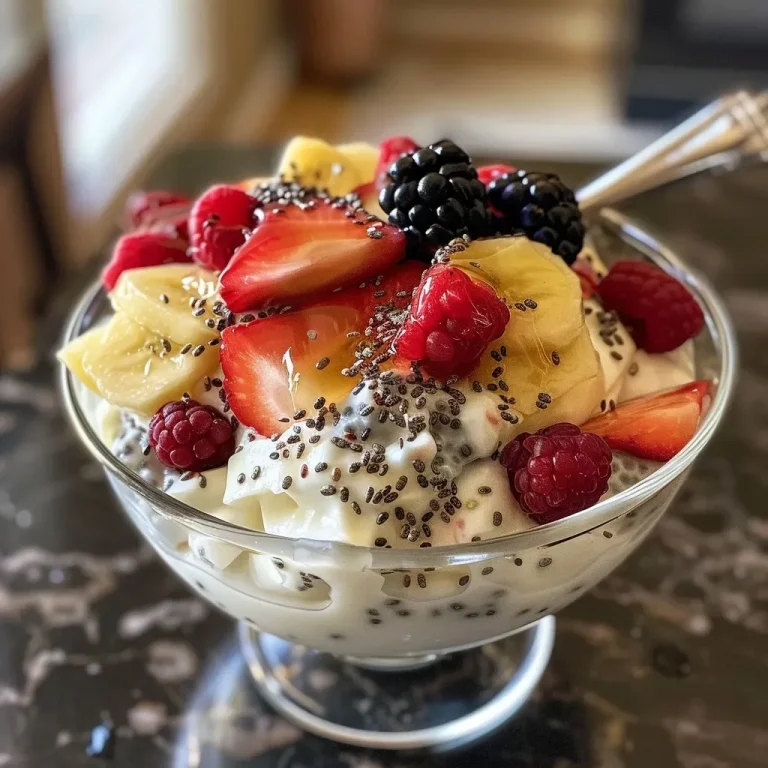
Discover the Joy of Homemade Fruit on the Bottom Yogurt

Welcome to your new favorite kitchen adventure! Making your own Fruit on the Bottom Yogurt is not only simple but also a delightful way to incorporate fresh flavors into your diet. You can customize it to suit your taste, making it a perfect choice for breakfast, snacks, or even dessert. Let’s dive into a world where you can create delicious yogurt cups that are healthy, visually appealing, and bursting with flavor.

Why You’ll Love This Recipe

This recipe isn’t just about deliciousness; it’s about convenience and creativity! Here are five reasons why you will absolutely love making your own homemade yogurt:

  • Customizable flavors: You can experiment with various fruit combinations, allowing you to enjoy new flavors with every batch.
  • Healthier choice: By controlling the ingredients, you can create a yogurt that is lower in sugar and free from preservatives.
  • Fun for kids: Involve your kids in the process! They’ll love picking fruits and layering their own yogurt cups.
  • Perfect for meal prep: Make multiple servings at once and store them for busy mornings or after-school snacks.
  • Creative presentation: These yogurt cups look stunning in jars, making them ideal for entertaining or as a grab-and-go snack.

Ingredients You’ll Need

Gather the following ingredients to create your delicious yogurt:

  • 2 ½ cups fresh or frozen fruit: Choose fruits like strawberries, blueberries, or peaches for a vibrant flavor.
  • 1 tbsp black or white chia seeds: These tiny seeds are packed with nutrients and help thicken your fruit compote.
  • 2 tbsp honey or maple syrup (divided): Adjust the sweetness to your liking; you can add more or less!
  • 2 cups plain regular or Greek yogurt: Greek yogurt adds creaminess and protein, while regular yogurt is lighter.

How to Make Your Fruit on the Bottom Yogurt
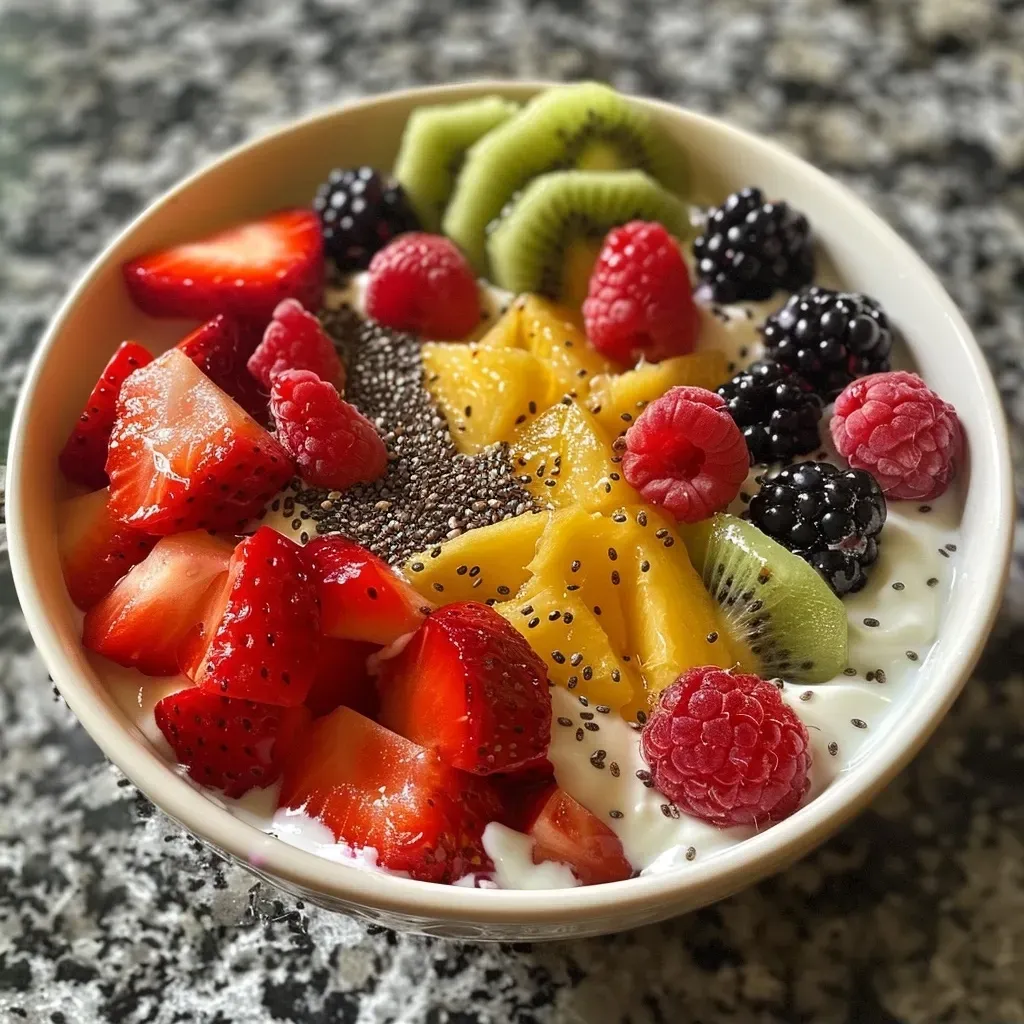
Close-up view of a glass jar filled with layered yogurt and fruit.

Ready to get started? Follow these simple steps to create your own delightful yogurt cups:

  • Prepare the fruit compote: In a small saucepan, place the fruit and cook on medium heat for 5-10 minutes, stirring regularly until softened. If the fruit isn’t juicy enough, add a couple of tablespoons of water to help.
  • Mash or blend as needed: If you prefer a smoother texture, use a potato masher or immersion blender to break down larger chunks. This step is usually unnecessary for berries.
  • Sweeten the compote: Stir in ½ tablespoon of honey and taste. Adjust sweetness based on the fruit’s tartness, cooking for an additional 3-5 minutes with chia seeds.
  • Prepare the yogurt: In a bowl, mix the yogurt with the remaining honey. Adjust the sweetness to ensure it complements the fruit.
  • Assemble the yogurt cups: Divide the fruit compote equally into six jars, add about â…“ cup yogurt on top, and refrigerate until ready to serve.

Expert Tips for Success

To ensure your yogurt cups are a hit, consider these expert tips:

  • Use seasonal fruits: Fresh, in-season fruits will provide the best flavor and texture.
  • Experiment with flavors: Don’t hesitate to try new fruit combinations, such as mango and coconut or blackberry and lemon.
  • Make it fun: Let your kids or family members choose their favorite fruits for a personalized touch.
  • Layer creatively: For beautiful presentation, layer fruit, yogurt, and granola in clear jars.
  • Consider dietary needs: For a vegan option, use plant-based yogurt and maple syrup.
  • Storage method: Store in the fridge for up to 5 days, ensuring freshness.
  • Use airtight containers: This will prevent the yogurt from absorbing any odors from the fridge.
  • Adjust sweetness to taste: Always taste your fruit compote and yogurt before layering to get the perfect balance.

Common Mistakes to Avoid

Here are some pitfalls to watch out for when making your yogurt:

  • Overcooking the fruit: This can make it mushy; watch it closely!
  • Not adjusting sweetness: Always taste as you go; some fruits may be tarter than expected.
  • Using overly ripe fruit: While ripe fruit is great, overly mushy fruit can affect the texture of your compote.
  • Skipping the chilling step: Chilling the assembled yogurt cups helps the flavors meld together beautifully.

Flavor Variations to Try

Feeling adventurous? Here are some variations to inspire your creativity:

  • Berry Bliss: Use a mix of strawberries, blueberries, and raspberries for a classic combination.
  • Tropical Paradise: Combine mango and pineapple for a fresh, tropical twist.
  • Peachy Keen: Sweet peaches paired with a hint of cinnamon create a summer favorite.
  • Apple Cinnamon Delight: Cook diced apples with a sprinkle of cinnamon for a cozy fall flavor.

Storage and Make-Ahead Instructions

To keep your yogurt fresh and delicious:

  • Store in airtight containers: Keep your yogurt cups sealed in the fridge to maintain freshness for up to 5 days.
  • Make ahead: Prepare the fruit compote and yogurt a day in advance to save time on busy mornings.
  • Freeze for later: If you have excess compote, freeze it in ice cube trays for easy future use.

Frequently Asked Questions

Here are answers to some common questions about making Fruit on the Bottom Yogurt:

  • Can I use frozen fruit? Yes! Frozen fruit works perfectly. Just cook it until it’s soft.
  • How long does the yogurt last? Your yogurt cups will stay fresh in the fridge for up to 5 days.
  • Can I use different types of yogurt? Absolutely! Greek yogurt will give you a thicker texture, while regular yogurt is lighter.
  • What if I don’t have honey? You can substitute with maple syrup or a sugar alternative to suit your needs.
  • Can I add granola? Yes! Granola makes a great addition for crunch and texture.
  • Is it possible to make this dairy-free? Yes! Use a plant-based yogurt alternative made from almond, coconut, or soy milk.
  • What equipment do I need? A saucepan, mixing bowls, and jars or containers for storage are all you need!
  • Can I double the recipe? Definitely! Just ensure you have enough storage space for your delicious yogurt cups.

Nutritional Tips and Dietary Adaptations

Making healthy choices is easy with this recipe:

  • High in protein: Greek yogurt offers a protein boost, keeping you fuller for longer.
  • Rich in fiber: Adding fruits provides essential fiber, aiding digestion.
  • Low in sugar: By controlling the sweeteners, you can keep the sugar content low.
  • Vegan option available: Just substitute regular yogurt with your favorite plant-based alternative.

Essential Equipment Recommendations

Here’s what you’ll need to easily whip up your yogurt:

  • Medium saucepan: For cooking the fruit compote.
  • Mixing bowls: For combining yogurt and sweeteners.
  • Jars or containers: Use 4-ounce mason jars for perfect portion sizes.
  • Potato masher or immersion blender: To break down fruit, if needed.

Serving Suggestions

Get creative with how you serve your yogurt:

  • Layered jars: Show off the beautiful layers of fruit and yogurt in clear jars.
  • On-the-go cups: Perfect for breakfast or snacks; just grab and enjoy!
  • With toppings: Serve with granola, nuts, or seeds on top for added texture.
  • For dessert: Add a drizzle of chocolate or caramel for a sweet treat!

Now that you’re armed with all the tips, tricks, and details, it’s time to step into your kitchen and whip up your very own Fruit on the Bottom Yogurt. Enjoy the process, savor the flavors, and most importantly, have fun! Cooking should be an enjoyable adventure, and I’m here to support you every step of the way.
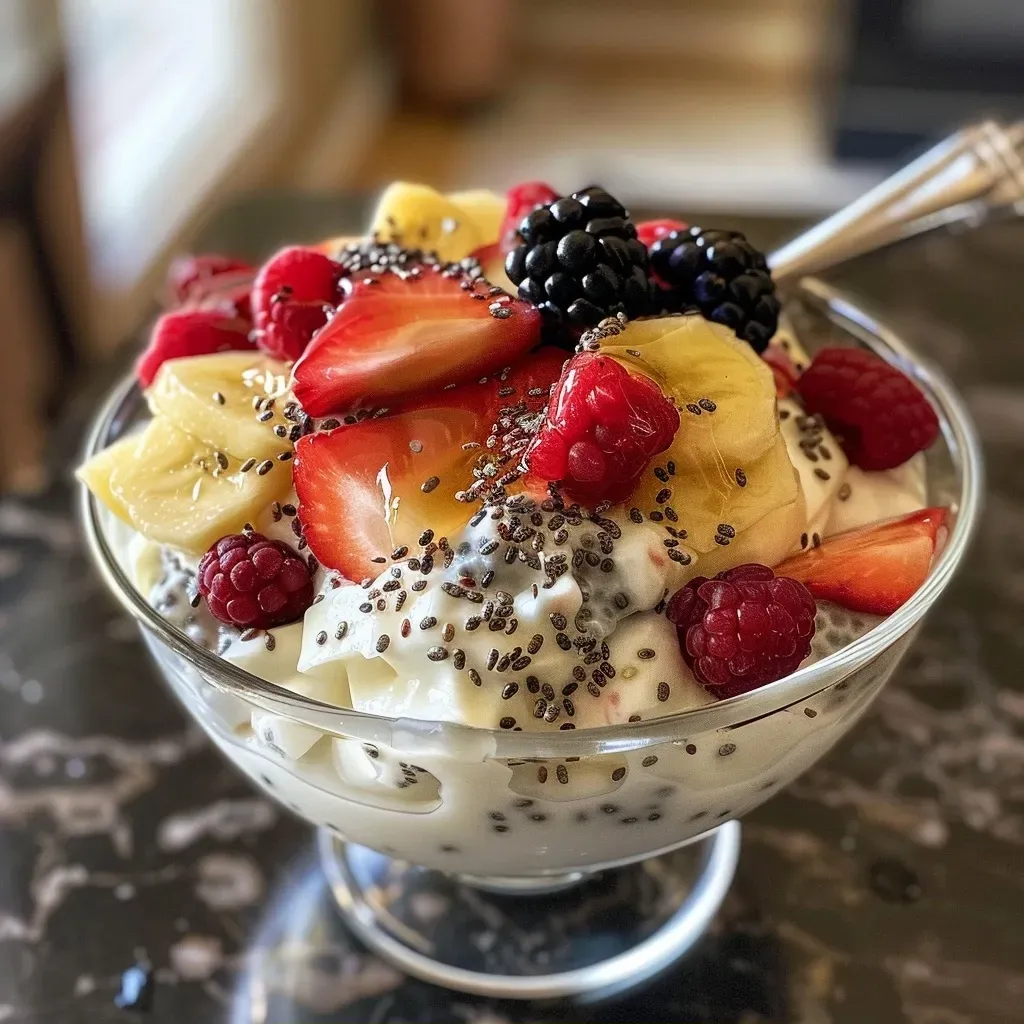
DIY Fruit on the Bottom Yogurt

Prep Time 10 minutes
Cook Time 10 minutes
Total Time 20 minutes
Servings 6 containers
Calories 250
A delicious and healthy treat combining sweet fruit compote with creamy yogurt, perfect for a quick breakfast or snack.

Ingredients

Fruit and Seeds

  • 2 ½ cups fresh or frozen fruit
  • 1 tbsp black or white chia seeds
  • 2 tbsp honey or maple syrup (divided)
  • 2 cups plain regular or Greek yogurt

Instructions 

  • Cook the fruit in a saucepan over medium heat for 5-10 minutes until softened, adding water if sticking.
  • Use a masher or blender to break down large chunks if needed, then stir in ½ tbsp honey and cook for 3-5 minutes. Cool in fridge.
  • Mix remaining honey into yogurt, tasting and adjusting sweetness.
  • Divide cooled fruit compote into six jars, then top each with about â…“ cup of sweetened yogurt. Chill until ready to serve.
Notes

Use ripe fruit for best flavor and adjust sweetness to taste.
Calories: 250kcal
Cost: $10
Course: Breakfast
Cuisine: American
Keyword: Fruit, Healthy, Yogurt

Discover the Joy of Cooking: Herby Baked Fish

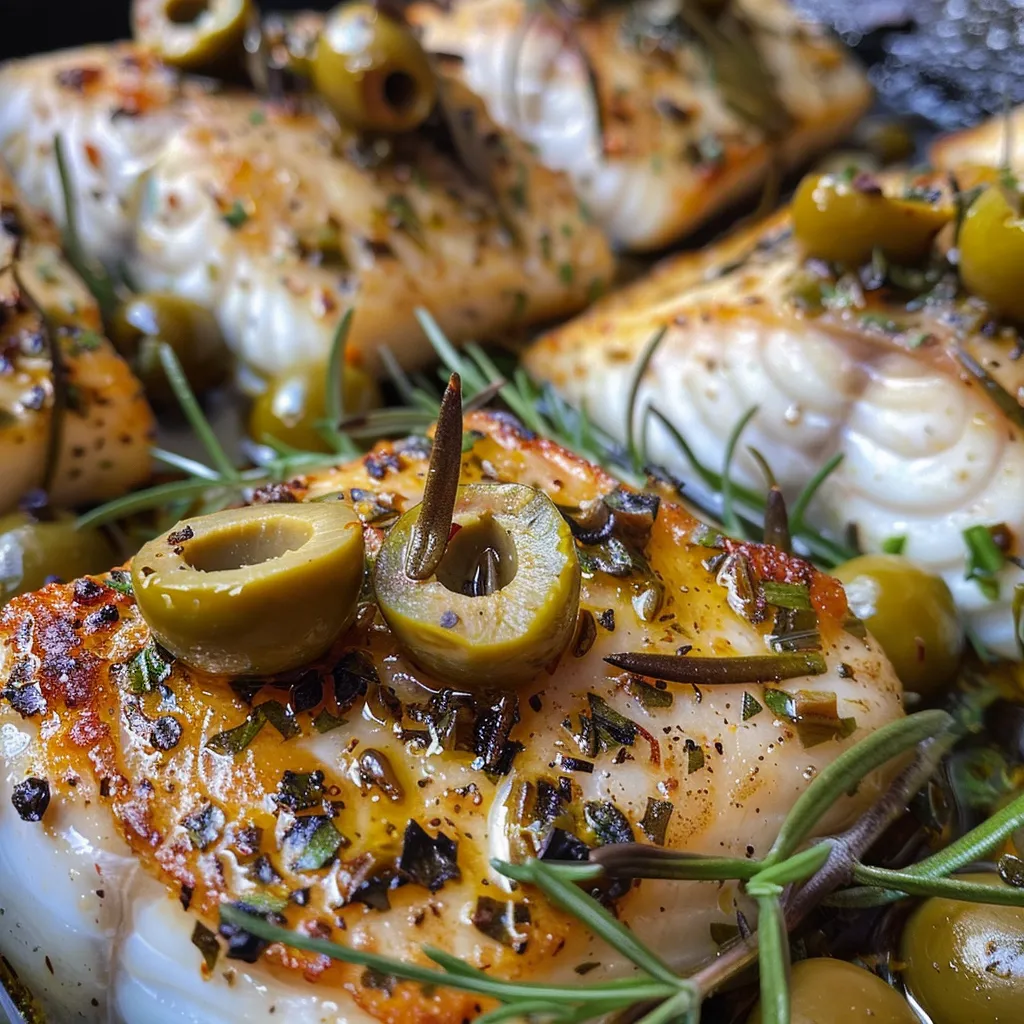
If you’re seeking a delightful and effortless dinner option that brings the Mediterranean to your table, look no further than this Herby Baked Fish recipe. With fresh ingredients and simple steps, this dish is perfect for busy weeknights when you want something healthy yet satisfying. Featuring flaky fish fillets, zesty herbs, and tangy green olives, this recipe is designed to impress without adding stress to your evening routine.

In just 30 minutes, you can create a meal that not only tastes incredible but also fills your kitchen with tantalizing aromas. Let’s dive in and explore why you’ll love this recipe, how to make it, and some tips to elevate your cooking game!

Why You’ll Love This Recipe

  • Quick and Easy: Ready in under 30 minutes, making it ideal for those hectic evenings when you need a delicious meal fast.
  • Healthy and Nutritious: Packed with lean protein from fish and the benefits of fresh herbs and olives, this dish is both light and satisfying.
  • Flavorful Explosion: The combination of herbs and olives infuses the fish with Mediterranean flavors that transport you to sun-soaked beaches.
  • Minimal Ingredients: With only a handful of ingredients, you can create an impressive dish without an extensive grocery list.
  • Versatile Preparation: This recipe allows for various fish types and can easily accommodate different herbs and flavor profiles.

Ingredients You’ll Need

To make this Herby Baked Fish with Green Olives, you’ll need the following ingredients:

  • 4 fresh fish fillets (cod, tilapia, or sea bass; mild white fish preferred)
  • 1/2 cup green olives, pitted and sliced
  • 1 tablespoon fresh rosemary, chopped
  • 1 tablespoon fresh thyme, chopped
  • 2 tablespoons fresh parsley, chopped
  • 3 garlic cloves, crushed
  • 3 tablespoons extra virgin olive oil
  • 2 tablespoons fresh lemon juice
  • Sea salt, to taste
  • Black pepper, to taste

Feel free to substitute the fish with your favorite white fish or try different herbs such as dill or basil for a unique twist!

How to Make Herby Baked Fish

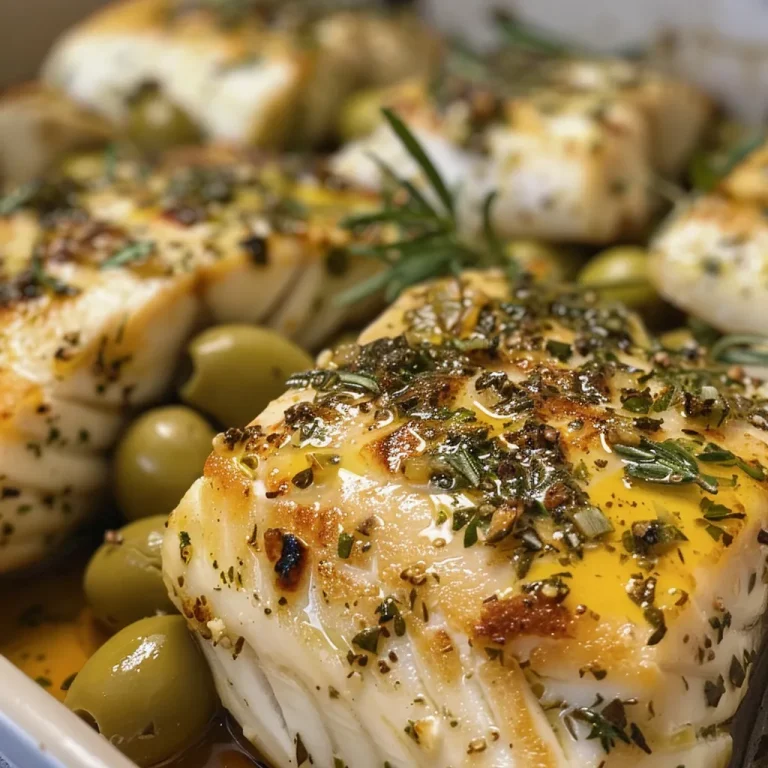
Herby Baked Fish with Green Olives

Follow these simple steps to create your own Herby Baked Fish:

  1. Preheat your oven: Set your oven to 400°F (200°C) to ensure quick, even baking that locks in moisture and flavors.
  2. Prepare the fish: Pat your fish fillets dry with paper towels to help the herbs and olive oil cling better and prevent steaming during baking.
  3. Create the herb mixture: In a bowl, combine freshly chopped rosemary, thyme, parsley, crushed garlic, sliced green olives, lemon juice, olive oil, salt, and pepper. This vibrant mix will coat the fish and infuse every bite.
  4. Arrange the fish: Place the fillets in a baking dish and generously spoon the herb and olive mixture over the top, making sure to spread the flavors evenly.
  5. Bake to perfection: Slide the dish into the oven and bake for 15-18 minutes, or until the fish flakes easily with a fork and appears opaque and juicy.
  6. Serve and enjoy: Once baked, let the dish rest for a minute, then plate it with a sprinkle of fresh herbs or a squeeze of lemon if desired.

Pro Tips for Making Herby Baked Fish

  • Fresh Ingredients Matter: Use the freshest fish you can find for the best flavor and texture. Quality ingredients make a world of difference.
  • Don’t Overbake: Watch the fish closely to avoid overbaking, which can lead to dryness. The fish should be flaky but still moist.
  • Experiment with Herbs: Don’t hesitate to mix and match herbs according to your preference. Dill, basil, or even a bit of oregano can enhance the flavor.
  • Mix it Up: Try adding a dash of red pepper flakes for a spicy kick or a sprinkle of feta cheese for added creaminess.
  • Marinate Ahead: For deeper flavors, marinate the fish in the herb mixture for an hour before baking.
  • Use a Meat Thermometer: Ensure your fish reaches an internal temperature of 145°F (63°C) for perfect doneness.
  • Pair with Sides: Serve with roasted vegetables or a fresh salad for a complete meal.
  • Storing Leftovers: Store any leftovers in an airtight container in the fridge for up to 2 days. Reheat gently to avoid overcooking.

Common Mistakes and Troubleshooting

  • Fish Sticking: If your fish sticks to the baking dish, try lining it with parchment paper or using a non-stick spray.
  • Flavorless Dish: If the dish lacks flavor, consider adding more herbs or adjusting the seasoning to your taste.
  • Overcooked Fish: If the fish is overcooked, it’s likely due to an overly high oven temperature or longer baking time. Keep an eye on it!

Variations on Herby Baked Fish

Here are some fun variations to keep your meal exciting:

  • Spicy Herby Fish: Add crushed red pepper flakes to the herb mixture for a spicy kick.
  • Asian-Inspired: Substitute herbs with ginger, scallions, and a splash of soy sauce for an Asian twist.
  • Italian Style: Use Italian herbs like basil and oregano, and top with cherry tomatoes before baking.
  • Citrus Zing: Incorporate orange or lime zest into the herb mixture for a fresh citrusy flavor.

Storage and Make-Ahead Instructions

This herby baked fish recipe is perfect for meal prep:

  • Make Ahead: You can prepare the herb mixture ahead of time and store it in the fridge for up to two days. Simply coat the fish just before baking.
  • Storage: Store leftovers in an airtight container in the fridge for up to 2 days. Reheat gently in the oven or microwave.

Frequently Asked Questions (FAQ)

  • Can I use frozen fish fillets? Yes, just ensure they are completely thawed before cooking.
  • What other fish can I use? You can use any mild white fish like halibut, snapper, or even salmon.
  • Is this dish gluten-free? Yes, this recipe is naturally gluten-free.
  • Can I use dried herbs instead of fresh? Yes, but use about one-third of the amount since dried herbs are more concentrated.
  • What should I serve with this dish? It pairs well with roasted vegetables, rice, or a fresh green salad.
  • How do I know when the fish is done? The fish should flake easily with a fork and appear opaque.
  • Can I make this dish in advance? You can prepare the herb mixture ahead of time and coat the fish before baking.
  • How can I add more flavor? Consider marinating the fish in the herb mixture for 30 minutes before baking.

Nutrition Tips and Dietary Adaptations

This Herby Baked Fish recipe is not only delicious but also packed with nutritional benefits:

  • Rich in Omega-3s: Fish is an excellent source of omega-3 fatty acids, which are beneficial for heart health.
  • Low in Calories: This dish is low in calories, making it suitable for weight management.
  • Customizable: Adjust the amount of olive oil and salt to suit your dietary needs.

Equipment Recommendations

To make your cooking experience seamless, here’s what you’ll need:

  • Baking Dish: A glass or ceramic baking dish works best for even cooking.
  • Mixing Bowl: To combine your herb mixture conveniently.
  • Measuring Cups and Spoons: For precise ingredient measurements.
  • Fish Spatula: Ideal for flipping and serving delicate fish fillets.

Serving Suggestions

Elevate your dining experience by pairing your Herby Baked Fish with:

  • Grilled Asparagus: A light and fresh side that complements the fish beautifully.
  • Quinoa Salad: A protein-packed side with fresh veggies and a lemon vinaigrette.
  • Roasted Potatoes: Crispy, seasoned potatoes are a comforting addition to this meal.

Conclusion

Cooking should be a joyful and fulfilling experience, and this Herby Baked Fish recipe is designed to make that a reality. With its ease of preparation and the burst of flavors from the herbs and olives, you’ll find yourself reaching for this recipe again and again. Remember, the secret to great cooking is confidence and creativity. So roll up your sleeves, gather your ingredients, and enjoy the process. Happy cooking!

Herby Baked Fish with Green Olives

Prep Time 10 minutes
Cook Time 15 minutes
Total Time 25 minutes
Servings 4 servings
Calories 250
A flavorful baked fish dish infused with fresh herbs and briny green olives, perfect for a quick and healthy meal.

Ingredients

Protein

  • 4 fillets fresh fish fillets (cod, tilapia, or sea bass) (mild white fish preferred)
  • 1/2 cup green olives, pitted and sliced
  • 1 tablespoon fresh rosemary, chopped
  • 1 tablespoon fresh thyme, chopped
  • 2 tablespoons fresh parsley, chopped
  • 3 cloves garlic, crushed
  • 3 tablespoons extra virgin olive oil
  • 2 tablespoons fresh lemon juice
  • to taste sea salt Sea salt
  • to taste black pepper Black pepper

Instructions 

  • Preheat oven to 400°F (200°C).
  • Pat fish fillets dry and mix herbs, garlic, olives, lemon juice, olive oil, salt, and pepper.
  • Spread herb mixture over fillets and place in a baking dish.
  • Bake for 15-18 minutes until fish flakes easily.
  • Rest briefly, then serve garnished with herbs or lemon if desired.

Notes

Use fresh herbs for the best flavor and adjust salt and pepper to taste.
Calories: 250kcal
Cost: $15
Course: Main Course
Cuisine: Mediterranean
Keyword: fish, herbs, Olives

If you’re looking for a vibrant and flavorful addition to your meals, look no further than this avocado salsa recipe. Bursting with freshness and zesty flavors, this dish not only elevates your tacos and grilled meats but also serves as a delightful dip for chips. Packed with healthy ingredients, it’s the perfect blend of creaminess and crunch that will have your taste buds dancing. Let’s dive into how to make this simple yet delicious avocado salsa that will soon become a staple in your kitchen!

Why You’ll Love This Recipe

This avocado salsa isn’t just another dip; it’s a celebration of flavors and textures. Here are a few reasons why you’ll love making it:

  • Quick and Easy: With just a few simple ingredients, you can whip up this salsa in under 15 minutes.
  • Fresh Ingredients: Every bite is loaded with fresh produce, making it a healthy choice for snacking or serving.
  • Versatile: This salsa pairs beautifully with various dishes, from tacos to grilled chicken, and can be enjoyed as a dip or topping.
  • Customizable: Feel free to adjust the spice level or add your favorite ingredients to make it your own.
  • Perfect for Meal Prep: It stores well and can be made ahead of time for gatherings or weeknight meals.

Ingredients Breakdown

Let’s take a closer look at the ingredients you’ll need for this avocado salsa, along with suggestions for substitutions to suit your taste:

  • Avocado: About 2 medium, diced (2 cups). For the best flavor and texture, choose ripe avocados that yield slightly to pressure.
  • Roma Tomatoes: Diced (1 cup; 2-3 medium). Opt for sweet Roma tomatoes for their firm texture, or substitute with vine-ripened tomatoes.
  • Red Onion: Finely diced (1/2 cup; ~1/2 small or 1/4 large). Yellow onion can be used if you prefer a milder taste.
  • Fresh Cilantro: Chopped (3 tbsp). If you’re not a fan of cilantro, parsley can be a fresh alternative.
  • Medium Jalapeno: Finely diced, seeds removed. For a milder salsa, leave out the jalapeno or use a bell pepper instead.
  • Garlic: Minced (1 clove, optional). Fresh garlic adds a punch but can be omitted if you prefer a milder flavor.
  • Lime Juice: (2 tbsp). Fresh lime juice is essential for that zesty kick; bottled lime juice can work in a pinch.
  • Sea Salt: (1/4 tsp to taste). Adjust the salt according to your preference to enhance the flavors.

How to Make Avocado Salsa: Step-by-Step

Now that you have your ingredients ready, let’s walk through the simple steps to create this delicious avocado salsa.

  1. In a large bowl, combine the diced avocado, tomatoes, red onions, cilantro, jalapeno, garlic (if using), lime juice, and salt.
  2. Gently stir until just combined, being careful not to mash the avocado too much.
  3. Adjust the salt to taste if needed and serve immediately or store for later!

Pro Tips for the Best Avocado Salsa

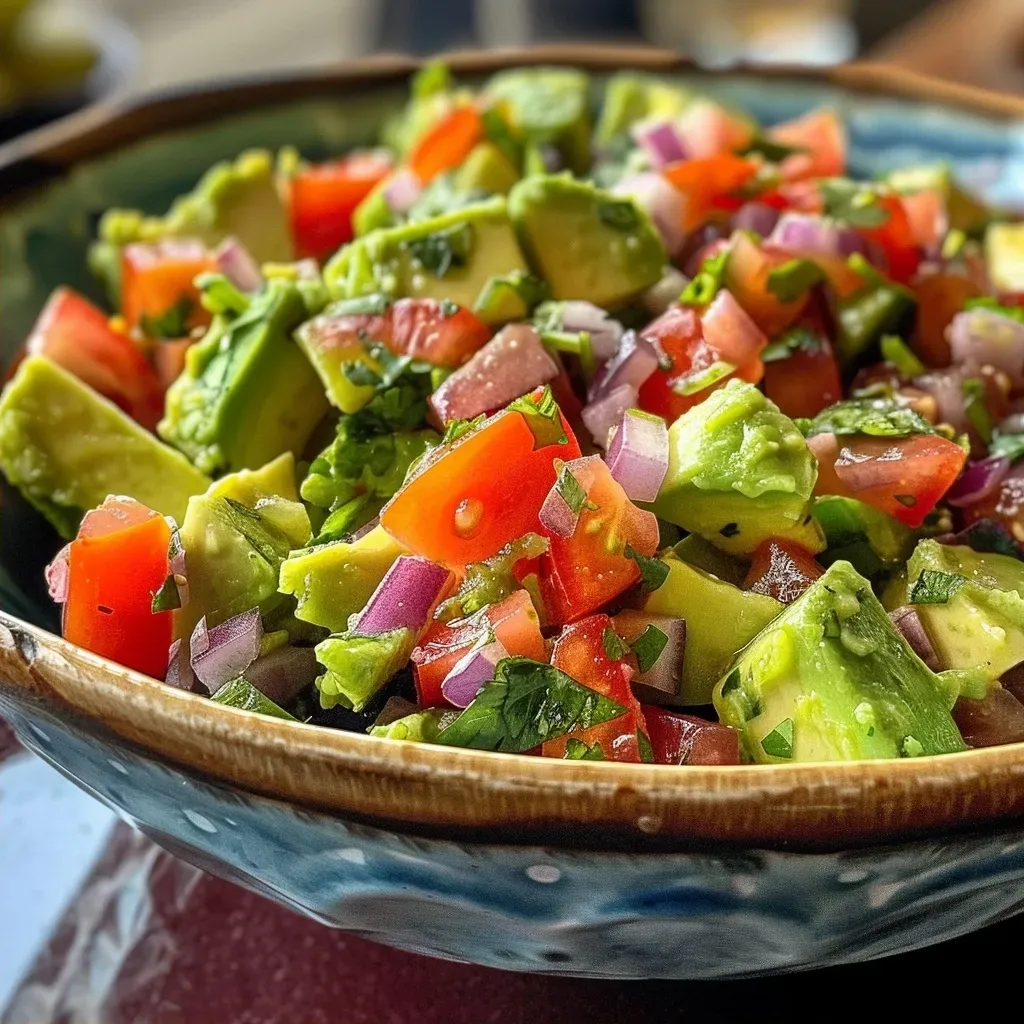
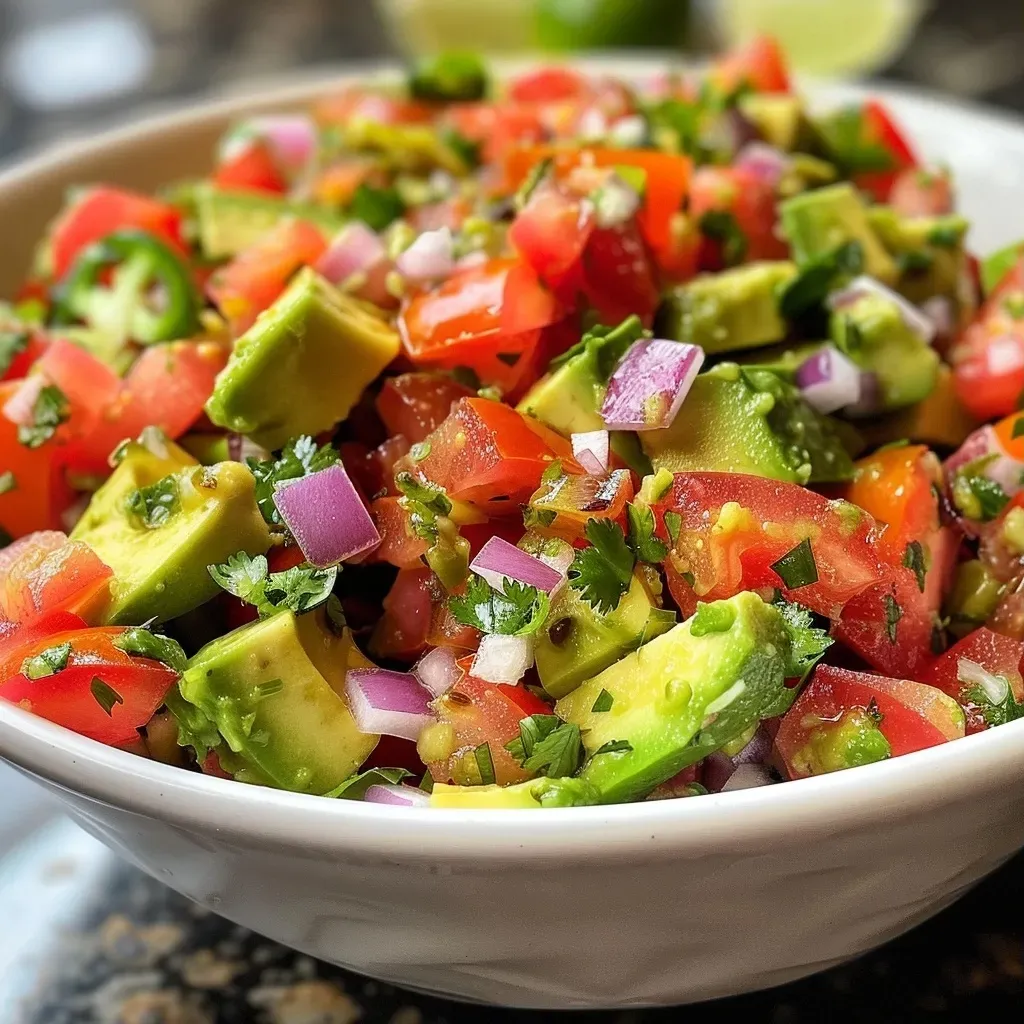
Close-up view of a bowl of colorful avocado salsa with diced ingredients.

To ensure your avocado salsa turns out perfectly every time, consider these expert insights:

  • Choose Ripe Avocados: Look for avocados that give slightly when pressed. Hard avocados won’t mash well, while overly ripe avocados may taste off.
  • Cut Ingredients Evenly: Dice your vegetables uniformly to ensure even distribution of flavors and textures in every bite.
  • Fresh is Best: Use the freshest ingredients possible for maximum flavor. Fresh herbs and ripe tomatoes make a noticeable difference.
  • Adjust Spice Level: If you prefer a spicier salsa, leave some seeds in the jalapeno or add a dash of cayenne pepper.
  • Let it Rest: Allow the salsa to sit for about 10 minutes before serving to let the flavors meld together.
  • Use Lime Juice Generously: Lime juice not only adds flavor but also helps to prevent the avocado from browning.
  • Make Ahead: This avocado salsa can be made up to a day in advance. Just store it in an airtight container and press plastic wrap directly onto the surface to minimize browning.
  • Experiment with Add-Ins: Feel free to add black beans, corn, or diced mango for a twist on classic avocado salsa.

Common Mistakes and Troubleshooting

Even experienced cooks can make mistakes. Here are some common pitfalls and how to avoid them:

  • Overripe Avocados: Avoid using avocados that are too mushy; they won’t provide the right texture.
  • Too Much Lime Juice: While lime juice adds flavor, too much can overpower the salsa. Start with less and add more as needed.
  • Uneven Flavor: If the salsa tastes bland, try adding a pinch more salt or lime juice to balance the flavors.
  • Mushy Salsa: Be gentle when mixing to keep the avocado chunks intact, which adds a pleasant texture to the salsa.

Variations to Try

Mix things up with these delicious variations of avocado salsa:

  • Mango Avocado Salsa: Add diced mango for a tropical twist and a hint of sweetness.
  • Black Bean Avocado Salsa: Stir in canned black beans for added protein and heartiness.
  • Pineapple Avocado Salsa: Substitute diced pineapple for tomatoes for a sweet and tangy flavor profile.
  • Roasted Corn Avocado Salsa: Add grilled or roasted corn for a smoky flavor that complements the creamy avocado.

Storage and Make-Ahead Instructions

This salsa is best served fresh, but it can be stored for later enjoyment:

  • Refrigeration: Store leftover avocado salsa in an airtight container in the fridge for up to 2 days. Press plastic wrap directly onto the surface to minimize browning.
  • Freezing: While fresh avocado salsa does not freeze well due to texture changes, you can freeze the salsa without avocado and add fresh avocado when ready to serve.

Comprehensive FAQ

Here are some frequently asked questions about avocado salsa:

  • Can I make this salsa in advance? Yes! You can make it a few hours ahead of serving. Just store it in the fridge.
  • How do I prevent my salsa from browning? Use lime juice generously and store it in an airtight container.
  • What can I serve avocado salsa with? It’s perfect with tacos, grilled meats, or simply with tortilla chips.
  • Is avocado salsa healthy? Absolutely! It’s packed with healthy fats from avocados and fresh vegetables.
  • Can I add other ingredients? Yes! Feel free to customize with beans, corn, or different herbs.
  • What if I don’t like cilantro? You can substitute with parsley or simply omit it.
  • How long will leftovers last? Leftover avocado salsa can be stored in the fridge for up to 2 days.
  • Can I use different types of tomatoes? Yes, any firm, sweet tomato variety will work well.

Nutrition Tips and Dietary Adaptations

This avocado salsa is naturally healthy and can be adapted for various dietary needs:

  • Low-Carb: This recipe is already low in carbs, making it suitable for keto diets.
  • Vegan Friendly: All ingredients are plant-based, perfect for vegan diets.
  • Gluten-Free: Naturally gluten-free, it pairs well with gluten-free chips or veggies.
  • Low Sodium: You can omit or reduce the salt for a low-sodium version.

Equipment Recommendations

While making this salsa doesn’t require much, here are a few helpful tools:

  • Sharp Knife: A good quality knife makes dicing ingredients quick and easy.
  • Cutting Board: A sturdy cutting board is essential for safe chopping.
  • Mixing Bowl: A large bowl is best for combining all the ingredients without mess.
  • Measuring Cups: Accurate measurements ensure the perfect balance of flavors.

Serving Suggestions

Avocado salsa is incredibly versatile, and here are some delicious ways to serve it:

  • As a Dip: Serve it with tortilla chips or fresh vegetable sticks for a healthy snack.
  • On Tacos: Use it to top carne asada, fish, or vegetarian tacos for a flavor boost.
  • With Grilled Meat: Pair it with grilled chicken, steak, or fish for a refreshing contrast.
  • In Salads: Add it to mixed greens or grain salads for added flavor and texture.

In conclusion, this fresh and zesty avocado salsa is an easy, delicious addition to a variety of meals. It’s not just about the taste; it’s about the joy of cooking and sharing delightful food with friends and family. So, gather your ingredients and get ready to enjoy this vibrant salsa that everyone will love!

Avocado Salsa

Prep Time 10 minutes
Total Time 10 minutes
Servings 4 servings
Calories 150
A fresh and vibrant avocado salsa perfect for snacking or as a topping for your favorite dishes.

Ingredients

Main ingredients

  • 2 medium Avocado (diced; about 2 medium avocados)
  • 1 cup Roma tomatoes (diced; 2-3 medium ones)
  • 1/2 cup Red onion (finely diced; ~1/2 small or 1/4 large onion)
  • 3 tbsp Fresh cilantro (chopped)
  • 1 medium Jalapeno (finely diced, seeds removed)
  • 1 clove Garlic (optional; minced)
  • 2 tbsp Lime juice
  • 1/4 tsp Sea salt (to taste)

Instructions 

  • Combine diced avocado, tomatoes, red onion, cilantro, jalapeno, garlic (if using), lime juice, and salt in a large bowl.
  • Gently stir until just combined.
  • Adjust salt to taste if needed.

Notes

Serve immediately for the freshest flavor.
Calories: 150kcal
Cost: $8
Course: Appetizer
Cuisine: Mexican
Keyword: Avocado

Discover the Joy of Cream Cheese Stuffed Mini Peppers

If you’re looking for an appetizer that’s both simple and impressive, look no further than Cream Cheese Stuffed Mini Peppers. These colorful little bites are a burst of flavor that can elevate any gathering, from casual get-togethers to elegant dinner parties. With just a handful of ingredients and straightforward steps, you can create a dish that delights the taste buds and pleases the eye. Let’s dive into why this recipe should be your go-to for any occasion!

Why You’ll Love This Recipe

Here are just a few reasons to love these stuffed mini peppers:

  • Quick and Easy: With only six ingredients and minimal prep time, you can whip these up in no time.
  • Visually Appealing: The vibrant colors of mini peppers add a festive touch to your table, making them perfect for any celebration.
  • Crowd-Pleasing: These cheesy bites are loved by both adults and kids, making them a universal hit at gatherings.
  • Customizable: You can easily modify the filling to suit different tastes or dietary restrictions.
  • Healthy Option: Packed with nutrients and low in carbs, these peppers are a guilt-free indulgence!

Your Shopping List for Cream Cheese Stuffed Mini Peppers

Here’s what you’ll need to make these delightful appetizers:

  • Mini Sweet Peppers: 1 pound (approximately 12 peppers), halved and seeded.
  • Cream Cheese: 8 ounces, softened to room temperature.
  • Sharp Cheddar Cheese: ¾ cup, freshly grated.
  • Chives: 2 tablespoons, finely chopped (plus extra for garnish).
  • Salt: ½ teaspoon.
  • Ground Black Pepper: ½ teaspoon.

How to Make Cream Cheese Stuffed Mini Peppers

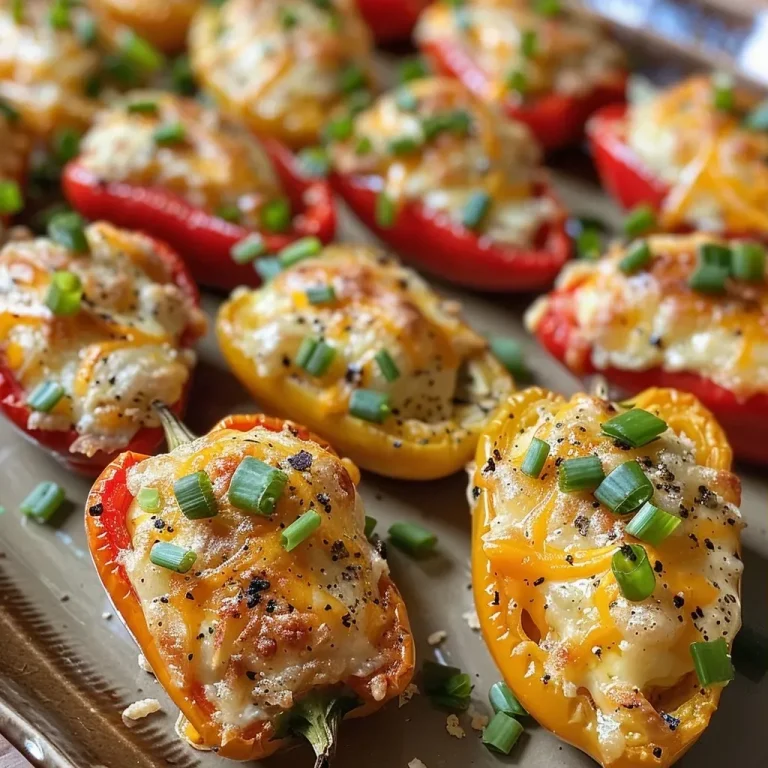
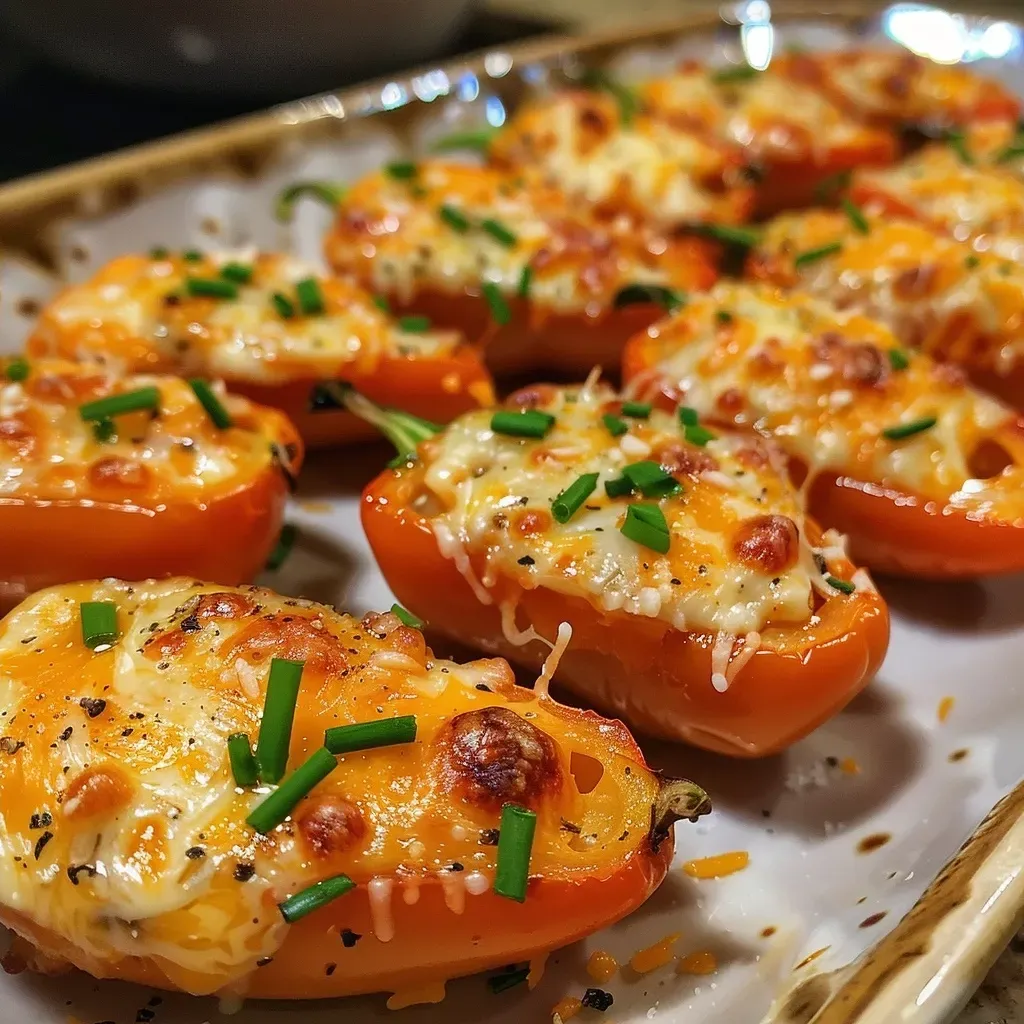
Close-up view of vibrant mini peppers stuffed with cream cheese and cheddar.

Follow these simple steps for a delicious result:

Step 1: Prepare Your Kitchen

Gather all your ingredients and tools. Preheat your oven to 375°F (190°C) and line a baking sheet with parchment paper for easy cleanup.

Step 2: Make the Filling

In a mixing bowl, combine the softened cream cheese, grated cheddar cheese, chopped chives, salt, and pepper. Mix until well blended and creamy.

Step 3: Prepare the Peppers

Cut the mini sweet peppers in half lengthwise and remove the seeds. This will create the perfect vessel for your cheesy filling.

Step 4: Fill the Peppers

Using a small spoon or a piping bag, fill each halved pepper with the cream cheese mixture. Be generous, as the filling is the star of the dish!

Step 5: Bake to Perfection

Place the stuffed peppers on the prepared baking sheet and bake for about 15-20 minutes, or until the peppers are tender and the filling is bubbly.

Pro Tips for Perfect Stuffed Mini Peppers

To ensure your stuffed mini peppers turn out perfectly every time, consider these expert tips:

  • Room Temperature Cream Cheese: Allow your cream cheese to sit out for 30 minutes before mixing. This makes it easier to blend.
  • Experiment with Cheese: Try using different cheeses like feta or goat cheese for a unique flavor profile.
  • Spice It Up: Add some diced jalapeños or red pepper flakes to the filling for an extra kick.
  • Make Ahead: You can assemble the stuffed peppers ahead of time and refrigerate them until you’re ready to bake.
  • Garnish for Presentation: Sprinkle extra chopped chives or a drizzle of balsamic glaze on top before serving for an elegant touch.
  • Watch the Bake Time: Keep an eye on the peppers while baking to prevent overcooking. They should be tender but not mushy.
  • Use a Piping Bag: For a neat filling, use a piping bag. This makes it easier and more fun!
  • Serve Warm or Cold: These peppers are delicious either way, so feel free to serve them as a refreshing cold appetizer or warm out of the oven.

Common Mistakes and Troubleshooting

Even the best cooks can run into challenges. Here’s how to avoid common pitfalls:

  • Overstuffing: Be careful not to overfill the peppers, as the filling can spill out while baking.
  • Underbaking: Ensure the peppers are adequately cooked for the best texture. They should be soft but still hold their shape.
  • Not Mixing Well: Make sure the filling is thoroughly combined to avoid uneven flavor in each bite.
  • Using Cold Ingredients: Cold cream cheese can lead to a lumpy filling, so always let it soften first.

Variations on the Classic Recipe

Feel free to get creative! Here are some variations to try:

  • Italian Style: Add Italian seasoning and diced sun-dried tomatoes to the filling for Mediterranean flair.
  • Mexican Twist: Mix in taco seasoning and black beans for a zesty, southwestern flavor.
  • Herb Infusion: Incorporate fresh herbs like basil, oregano, or parsley into the filling for added freshness.
  • Sweet and Savory: Drizzle honey or balsamic reduction over the top before serving for a sweet contrast.

Storage and Make-Ahead Instructions

These stuffed mini peppers are great for meal prep!

  • Refrigerate: Store any leftovers in an airtight container in the fridge for up to 4 days.
  • Make Ahead: Assemble the stuffed peppers and store them unbaked in the fridge for up to 24 hours. Bake them just before serving.

Nutrition Tips and Dietary Adaptations

If you’re looking to make these stuffed peppers even healthier, consider these ideas:

  • Low-Fat Cream Cheese: Use low-fat cream cheese to cut down on calories without sacrificing flavor.
  • Vegan Option: Substitute the cream cheese and cheddar with vegan cheese alternatives for a plant-based version.
  • Gluten-Free: This recipe is naturally gluten-free, so it’s a safe option for gluten-sensitive friends.

Comprehensive FAQ

Here are some frequently asked questions about cream cheese stuffed mini peppers:

  • Can I use regular bell peppers instead of mini peppers? Yes! Regular bell peppers can be used but will require more filling and baking time.
  • How do I know when the peppers are done? Peppers should be tender but not mushy, and the filling should be warm and bubbly.
  • Can I freeze the stuffed peppers? Yes! Assemble without baking, freeze on a baking sheet, then transfer to a freezer bag. Bake from frozen, adding a few extra minutes to the cooking time.
  • What can I serve these with? They pair well with dips like ranch or salsa, or can be enjoyed on their own as a light snack.
  • Are these peppers spicy? Mini sweet peppers are typically mild, but you can add spicy ingredients to the filling if desired.
  • Can I grill these instead of baking? Yes! Stuff the peppers and place them on the grill for a smoky flavor.
  • How long do leftovers last? Leftovers can be stored in the fridge for up to 4 days in an airtight container.
  • Can I serve them cold? Absolutely! They are delicious chilled as well.

Serving Suggestions

To make your serving experience even better, consider these ideas:

  • Platter Presentation: Arrange the stuffed mini peppers on a beautiful platter, garnishing with extra chives and a few cherry tomatoes for color.
  • Dipping Sauces: Offer a variety of dips, such as ranch, salsa, or guacamole, to complement the flavors.
  • Pair with Drinks: Serve with light beverages like white wine, sparkling water, or a refreshing cocktail.
  • Seasonal Themes: Adjust the presentation based on the season, using garnishes or serving styles that reflect the time of year.

Conclusion

With their bright colors and creamy filling, Cream Cheese Stuffed Mini Peppers are sure to be a hit at your next gathering. This recipe is not just about great taste; it’s about bringing people together and creating memorable moments around the table. So roll up your sleeves, gather your ingredients, and let’s get cooking! Remember, the joy of cooking comes from the heart, so have fun and enjoy every bite!

Cream Cheese Stuffed Mini Peppers: A Burst of Flavor in Every Bite

Prep Time 15 minutes
Total Time 15 minutes
Servings 12 pieces
Calories 150
These colorful mini peppers are filled with a creamy cheese mixture, making for a delightful appetizer or snack that impresses with flavor and presentation.

Ingredients

Mini Sweet Peppers

  • 1 pound Mini Sweet Peppers (approximately 12 peppers, halved and seeded)
  • 8 ounces Cream Cheese (softened to room temperature)
  • 0.75 cup Sharp Cheddar Cheese (freshly grated)
  • 2 tablespoons Chives (finely chopped, plus extra for garnish)
  • 0.5 teaspoon Salt
  • 0.5 teaspoon Ground Black Pepper

Instructions 

  • Halve and seed the mini sweet peppers.
  • Mix cream cheese, grated cheddar, chopped chives, salt, and pepper until well combined.
  • Stuff each pepper with the cheese mixture.
  • Garnish with extra chives before serving.

Notes

For extra flavor, sprinkle with additional chopped chives or a dash of paprika.
Calories: 150kcal
Cost: $12
Course: Appetizer
Cuisine: American
Keyword: Mini Peppers

Elevate Your Lunchtime with a Vibrant Salad

When it comes to lunchtime, we all crave something that feels satisfying yet refreshing. This lunch salad features perfectly soft-boiled eggs paired with delicious pan-seared potatoes and fresh greens, making it an ideal choice for a quick and nutritious meal. In this guide, I’ll walk you through every step to ensure your salad turns out beautifully, all while keeping the cooking process enjoyable and stress-free.

Throughout this article, we’ll explore why you’ll love this recipe, a detailed ingredient breakdown, expert tips, common mistakes to avoid, variations to keep things exciting, and much more. Let’s dive in!

Why You’ll Love This Recipe

  • Quick and Easy: This salad comes together in just 30 minutes, perfect for busy weekdays or a leisurely weekend lunch.
  • Protein-Packed: With soft-boiled eggs as the star ingredient, you’re getting a great dose of protein to keep you full and satisfied.
  • Customizable: Feel free to swap in your favorite vegetables or dressings, making it a versatile dish you can enjoy any day.
  • Nutritious Ingredients: Fresh spinach, cherry tomatoes, and avocado not only add flavor but also provide essential vitamins and minerals.
  • Perfect for Meal Prep: This salad holds up well in the fridge, making it a great option for meal prepping your work lunches!

Ingredients & Why They Work

Let’s break down the ingredients that make this boiled egg salad sing:

  • Soft-Boiled Eggs: The creamy yolk adds richness and a delicious texture, making the salad more satisfying.
  • Pan-Seared Potatoes: These provide a hearty element that contrasts beautifully with the fresh greens. Opt for small waxy potatoes for the best texture.
  • Cherry Tomatoes: Their sweetness adds a pop of color and flavor, balancing the dish nicely.
  • Avocado Slices: Creamy and healthy, avocados enhance the salad with healthy fats.
  • Fresh Spinach: A nutrient-dense base that brings vibrant color and a mild, pleasant flavor.
  • Balsamic Dressing: This tangy dressing ties all the ingredients together, enhancing the overall taste profile.
  • Toasted Bread: A crunchy side that complements the salad nicely and adds a satisfying crunch.

Substitutions

  • Eggs: If you prefer hard-boiled eggs or want a vegan option, consider marinated tofu or chickpeas for protein.
  • Potatoes: Substitute with quinoa or farro for a different texture.
  • Greens: Kale, arugula, or mixed greens can be used instead of spinach.
  • Dressing: Try a lemon vinaigrette or a yogurt-based dressing for a different twist.

Step-by-Step: How to Make the Salad

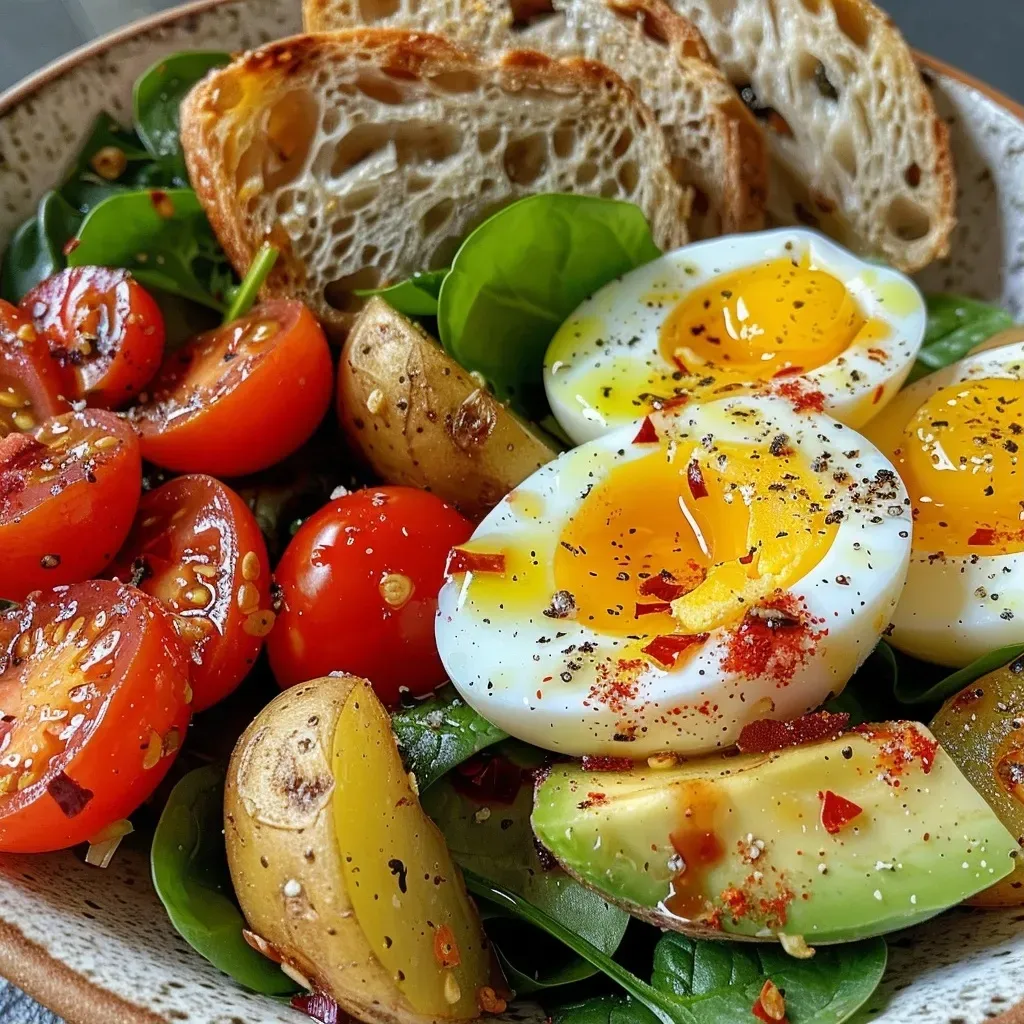
A close-up view of a vibrant lunch salad featuring soft-boiled eggs and fresh vegetables.

Step 1: Soft Boil Your Eggs

Start by bringing a pot of water to a gentle boil. Carefully add your eggs and boil for about 6-7 minutes for perfectly soft-boiled eggs. Once done, transfer them to an ice bath to stop the cooking process.

Step 2: Prepare the Potatoes

While your eggs are cooking, prepare your potatoes. Dice them into small cubes and sauté them in a pan with a drizzle of oil until they are crispy and golden. Season with salt and pepper to taste.

Step 3: Assemble Your Salad

In a large bowl, combine the fresh spinach, cherry tomatoes, and avocado slices. Once your potatoes have cooled slightly, add them to the bowl. Peel and slice your soft-boiled eggs and place them on top.

Step 4: Dress and Serve

Drizzle the balsamic dressing over the salad, toss gently to combine, and serve immediately with toasted bread on the side.

Pro Tips for the Perfect Salad

  • Timing is Key: Ensure you have everything prepped and ready to go so the salad is fresh when you serve it.
  • Don’t Overcook the Eggs: Soft-boiled eggs should be creamy, not chalky—aim for that 6-7 minute mark!
  • Layer Your Ingredients: Layering helps maintain the integrity of the ingredients, especially the soft-boiled eggs.
  • Temperature Matters: Serve the salad slightly warm for the best flavor experience.
  • Use Fresh Ingredients: Fresh produce will always enhance the flavor and nutritional value of your salad.
  • Adjust Seasoning: Always taste your salad before serving to ensure flavors are balanced.
  • Experiment with Herbs: Fresh herbs like basil or cilantro can elevate the flavor even further!
  • Presentation Counts: A well-presented salad is more appetizing—arrange ingredients artfully for a beautiful dish.

Common Mistakes and Troubleshooting

  • Eggs Too Hard: If your eggs turn out hard, you likely cooked them too long. Aim for that sweet spot of 6-7 minutes.
  • Potatoes Not Crispy: Make sure your oil is hot enough when you add the potatoes to achieve that golden, crispy texture.
  • Salad Soggy: If you dress the salad too early, it can get soggy—dress just before serving.
  • Imbalanced Flavors: Taste as you go! Adjust seasoning as needed for the best flavor profile.

Variations to Keep Things Exciting

  • Southwestern Twist: Add black beans, corn, and a chipotle dressing for a spicy kick.
  • Italian Flair: Incorporate mozzarella balls, olives, and a drizzle of pesto for an Italian-inspired version.
  • Asian-Inspired: Use sesame dressing, shredded carrots, and edamame to give it an Asian flair.
  • Breakfast Salad: Add crispy bacon or smoked salmon for a breakfast-style salad.

Storage and Make-Ahead Instructions

This salad is perfect for meal prep! Here are some tips:

  • Assemble the salad without dressing and store it in an airtight container in the fridge for up to 3 days.
  • Keep the dressing separate until you’re ready to serve to prevent sogginess.
  • Soft-boiled eggs can be cooked in advance and stored in the fridge for up to a week.

Frequently Asked Questions

  • Can I use hard-boiled eggs? Absolutely! If you prefer hard-boiled eggs, just adjust the cooking time to about 10-12 minutes.
  • Is this salad vegan? For a vegan version, substitute the eggs with chickpeas or another protein source.
  • How can I make this salad gluten-free? Simply ensure your dressing and any bread used are gluten-free.
  • Can I add other vegetables? Yes! Feel free to incorporate any veggies you have on hand, like bell peppers or cucumbers.
  • What dressing pairs well with this salad? While balsamic dressing is great, lemon vinaigrette or a yogurt-based dressing works well too.
  • How do I prevent my eggs from cracking while boiling? Use room temperature eggs and lower them gently into the boiling water.
  • Can I make this salad in advance? Yes! Just keep the dressing separate until serving to keep it fresh.
  • What can I serve with this salad? This salad pairs nicely with a slice of toasted bread or even a light soup for a complete meal.

Nutrition Tips and Dietary Adaptations

This salad is packed with nutrients, thanks to the variety of ingredients. Here are some tips to enhance the nutritional profile:

  • For Extra Protein: Consider adding beans, lentils, or grilled chicken for more protein.
  • Boost Fiber: Include a variety of vegetables and whole grains to increase fiber content.
  • Healthy Fats: Avocado provides heart-healthy fats; consider adding nuts or seeds for additional crunch and nutrition.

Equipment Recommendations

  • Non-stick Skillet: Perfect for pan-searing your potatoes without sticking.
  • Pot for Boiling: Choose a pot that fits your eggs comfortably without crowding.
  • Prep Bowls: Having a few bowls handy makes ingredient prep easier and keeps your workspace organized.

Serving Suggestions

To make your meal even more enjoyable, consider serving:

  • Fresh Breads: A slice of crusty bread pairs wonderfully with the salad.
  • Cheese: A sprinkle of feta or goat cheese can add creaminess and flavor.
  • Soup: A light broth or vegetable soup can round off your meal beautifully.

This soft boiled egg salad with fresh herbs is not just a meal; it’s an experience! With this comprehensive guide, you’ll feel empowered to create a vibrant, delicious lunch that not only delights your taste buds but also nourishes your body. Enjoy the process, and happy cooking!

Lunch Salad with Soft-Boiled Eggs

Prep Time 10 minutes
Cook Time 15 minutes
Total Time 25 minutes
Servings 2 servings
Calories 350
A fresh and satisfying salad featuring soft-boiled eggs, roasted potatoes, and vibrant vegetables, perfect for a quick lunch.

Ingredients

Main Ingredients

  • 2 pieces soft-boiled eggs
  • 200 grams pan-seared potatoes (diced)
  • 100 grams cherry tomatoes
  • 1 medium avocado slices
  • 50 grams fresh spinach
  • 2 tablespoons balsamic dressing
  • 2 slices toasted bread (optional side)

Instructions 

  • Boil eggs for 6-7 minutes until soft, then peel and set aside.
  • Pan-sear potatoes until golden and cooked through, then let cool.
  • Assemble spinach, cherry tomatoes, avocado slices, and potatoes in a bowl.
  • Slice the soft-boiled eggs and add to the salad.
  • Drizzle with balsamic dressing and toss gently to combine.
  • Serve with toasted bread on the side if desired.

Notes

For a richer flavor, add a sprinkle of salt and pepper to the eggs and salad.
Calories: 350kcal
Cost: $12
Course: Salad
Cuisine: International
Keyword: Eggs

Welcome, fellow kitchen enthusiasts! Today, we’re diving into a delightful culinary experience with my Effortless Creamy Garlic Chicken Skillet paired with Crispy Roasted Baby Potatoes. This dish is not only a time-saver for your busy weeknights but also a flavor-packed creation that will impress your family and friends. In under an hour, you can serve up a meal that’s creamy, savory, and simply irresistible. Let’s get started!

Why You’ll Love This Recipe

This creamy garlic chicken skillet is a versatile dish that offers numerous advantages:

  • Quick Preparation: This recipe comes together in about 30 minutes, making it perfect for weeknight dinners.
  • Flavor Explosion: The combination of garlic, cream, and herbs creates a rich sauce that elevates the chicken to a new level.
  • Comfort Food: The creamy texture and tender chicken make this dish a cozy favorite for any occasion.
  • Easy Cleanup: One skillet means less mess and hassle in the kitchen—just the way we like it!
  • Customizable: With various ingredient substitutions and serving options, you can tailor this dish to suit your taste.

Ingredients Needed to Make Creamy Garlic Chicken Skillet with Roasted Baby Potatoes

Here’s what you’ll need to whip up this delicious dish:

  • 500g chicken breast: Cut into chunks for quick cooking. You can also use thighs for richer flavor.
  • 2 tbsp olive oil: Essential for sautéing and roasting.
  • Salt & black pepper: To taste, enhancing the overall flavor.
  • 2 garlic cloves: Minced, bringing a fragrant aroma and depth to the sauce.
  • 200ml heavy cream: The base for our luscious sauce, adding creaminess.
  • 50g cream cheese (optional): For an extra creamy texture.
  • 1 tsp dried parsley or mixed herbs: Adding a hint of freshness.
  • 1 tsp Dijon mustard (optional): A tangy kick that complements the dish beautifully.
  • 600g baby potatoes: Halved for roasting, these potatoes are the perfect side.
  • Chopped fresh parsley: For garnish, adding a pop of color and freshness.

Instructions to Make Creamy Garlic Chicken Skillet – Step by Step

Now, let’s get cooking! Follow these simple steps:

  1. Preheat your oven to 200°C (400°F). Toss the halved baby potatoes with 1 tablespoon of olive oil, salt, and pepper in a baking dish. Roast for 25–30 minutes until golden and crisp.
  2. Season the chicken with salt and pepper. In a large skillet, heat the remaining 1 tablespoon of olive oil over medium heat. Add the chicken chunks and sauté until browned and cooked through, about 7-10 minutes. Remove the chicken and set aside.
  3. In the same skillet, add the minced garlic and sauté for about 1 minute until fragrant.
  4. Pour in the heavy cream and add the cream cheese, Dijon mustard, and dried herbs. Stir until smooth and simmer for 2–3 minutes until slightly thickened.
  5. Return the cooked chicken to the skillet, stirring to coat it in the creamy sauce. Heat for another 2–3 minutes until warmed through.
  6. Serve the creamy garlic chicken alongside the roasted potatoes, garnishing with chopped fresh parsley.

What to Serve with Creamy Garlic Chicken Skillet

Close-up of a creamy garlic chicken skillet with roasted baby potatoes.

This dish pairs well with a variety of sides. Here are some of my favorite suggestions:

  • Steamed Vegetables: Fresh veggies like broccoli or green beans add a vibrant crunch that balances the creaminess.
  • Garlic Bread: A classic side that soaks up the delicious sauce beautifully.
  • Couscous or Rice: Light and fluffy, these grains serve as a perfect base for the creamy sauce.
  • Salad: A simple green salad with a tangy vinaigrette complements the rich flavors of the chicken.

Expert Tips for Making Creamy Garlic Chicken Skillet

To ensure your dish turns out perfectly every time, consider these pro tips:

  • Use fresh garlic: It provides a stronger flavor than pre-minced garlic.
  • Don’t overcrowd the skillet: Cook chicken in batches if necessary to get a nice sear.
  • Adjust the creaminess: Feel free to mix in a little chicken broth for a lighter sauce.
  • Experiment with herbs: Fresh herbs like thyme or basil can elevate the flavor profile.
  • Make it spicy: Add a pinch of red pepper flakes for some heat.
  • Don’t skip the mustard: It adds depth and balances the richness of the cream.
  • Let the sauce simmer: Allowing it to thicken properly intensifies the flavors.
  • For meal prep: Chop your ingredients ahead of time to save on cooking time.

Common Mistakes and Troubleshooting

Here are some common pitfalls and how to avoid them:

  • Overcooking the chicken: Keep an eye on the chicken to prevent it from drying out.
  • Too much liquid: If your sauce is too thin, let it simmer longer to thicken.
  • Burnt garlic: Sauté garlic on medium heat to avoid burning it, which can make it bitter.
  • Insufficient seasoning: Always taste and adjust seasoning before serving.

Variations to Try

Don’t hesitate to get creative! Here are some variations you can try:

  • Chicken and Mushroom: Add sliced mushrooms to the skillet for an earthy flavor.
  • Spinach & Feta: Stir in fresh spinach and crumbled feta cheese for a Mediterranean twist.
  • Asian-Inspired: Substitute soy sauce and ginger for a different flavor profile.
  • Herbed Cream Sauce: Use different herbs like dill or rosemary for unique flavor combinations.

Storage and Make-Ahead Instructions

This dish is great for leftovers! Here’s how to store and reheat:

  • Refrigeration: Store in an airtight container for up to 3 days.
  • Freezing: You can freeze the chicken and sauce for up to 3 months, but the potatoes are best fresh.
  • Reheating: Warm in a skillet over low heat, adding a splash of cream or broth to maintain creaminess.

FAQs about Creamy Garlic Chicken Skillet

Here are some common questions you might have:

  • Can I use frozen chicken? Yes, but ensure it’s fully thawed before cooking for even results.
  • What can I substitute for heavy cream? Half-and-half or coconut milk can be used as lighter alternatives.
  • Is there a non-dairy option? Use cashew cream or almond milk with a thickener for a vegan version.
  • How do I make this dish spicier? Add red pepper flakes or diced jalapeños to the sauce.
  • Can I make this ahead of time? Yes, prepare the chicken and sauce in advance and store in the fridge until ready to serve.
  • What other sides can I serve? Quinoa or a simple pasta would pair well with this dish.
  • How do I know when the chicken is done? It should reach an internal temperature of 75°C (165°F).
  • Can I use other meats? Yes, pork or turkey can be great alternatives for this recipe.

Nutritional Tips and Dietary Adaptations

This dish can be adapted to various dietary needs:

  • Low-carb: Serve with steamed veggies instead of potatoes.
  • Gluten-free: Ensure all ingredients are certified gluten-free.
  • Low-calorie: Use less cream and more broth to lighten the dish.

Equipment Recommendations

Here’s what you’ll need:

  • Skillet: A large, non-stick skillet is ideal for sautéing the chicken and making the sauce.
  • Baking Dish: For roasting the baby potatoes.
  • Meat Thermometer: To ensure your chicken is cooked perfectly.

Final Thoughts

Cooking should be a joyous experience, and this Creamy Garlic Chicken Skillet with Roasted Baby Potatoes is designed to make it just that! With simple ingredients and easy steps, you can create a delicious meal that’s sure to become a family favorite. Remember, cooking is all about experimenting and having fun, so don’t hesitate to make this recipe your own. Enjoy the cooking journey, and happy eating!

Creamy Garlic Chicken Skillet with Roasted Baby Potatoes: A Weeknight Winner

Prep Time 10 minutes
Cook Time 30 minutes
Total Time 40 minutes
Servings 4 servings
Calories 650
A delicious and easy weeknight dinner featuring tender chicken in a creamy garlic sauce served with crispy roasted baby potatoes.

Ingredients

Protein

  • 500 g chicken breast, cut into chunks

Oils & Fats

  • 2 tbsp olive oil
  • 2 tbsp olive oil (for potatoes)

Seasonings

  • Salt & black pepper to taste Salt & black pepper
  • 1 tsp dried parsley or mixed herbs
  • 1 tsp Dijon mustard (optional)

Dairy & Eggs

  • 200 ml heavy cream
  • 50 g cream cheese (optional)

Vegetables

  • 600 g baby potatoes, halved

Herbs & Garnishes

  • Chopped fresh parsley for garnish Chopped fresh parsley

Instructions 

  • Preheat oven to 200°C (400°F). Toss halved baby potatoes with olive oil, salt, and pepper, then roast for 25–30 minutes until golden and crisp.
  • Season chicken with salt and pepper. Sauté in olive oil until browned and cooked through. Remove and set aside.
  • Sauté minced garlic in the same pan for 1 minute. Add heavy cream, cream cheese, Dijon mustard, and herbs. Simmer 2–3 minutes.
  • Return chicken to the pan, coat with sauce, and heat for 2–3 minutes. Serve with roasted potatoes and garnish with parsley.

Notes

For extra flavor, sprinkle with additional fresh herbs before serving.
Calories: 650kcal
Cost: $15
Course: Main Course
Cuisine: American
Keyword: Chicken, Garlic, Potatoes

Are you ready to dive into the world of baking with a simple, satisfying recipe that promises to fill your home with mouthwatering aromas? Look no further! With our Vegan Banana Muffins, you can indulge in a wholesome treat that’s perfect for breakfast, snacks, or even dessert. Made with ripe bananas and minimal ingredients, these muffins are not only easy to make, but they are also a hit with everyone—whether they follow a vegan diet or not. Let’s explore why this recipe is the best choice for you!

Why You’ll Love This Recipe

There are countless reasons to adore these vegan banana muffins. Here are just a few:

  • Quick and Easy: This recipe requires just one bowl and minimal cleanup, making it perfect for busy weeknights or lazy weekends.
  • Healthy Ingredients: Packed with the natural sweetness of ripe bananas, these muffins are a guilt-free treat you can enjoy any time of day.
  • Versatile Base: The muffin batter serves as a blank canvas for your creativity—feel free to add nuts, chocolate chips, or dried fruits!
  • Freezer-Friendly: Make a double batch and store extra muffins in the freezer for quick breakfasts or snacks.
  • Kid-Friendly: Kids will love the sweet flavor and soft texture, making this a great recipe to get them involved in the kitchen.

Ingredients for Vegan Banana Muffins

Gathering the right ingredients is key to creating the perfect muffin. Here’s what you’ll need:

  • 3 ripe bananas: About 330 grams, or 1â…“ cups mashed. Look for bananas with brown spots for maximum sweetness.
  • â…“ cup almond milk: You can substitute this with any plant-based milk like soy or oat milk.
  • ¼ cup olive oil: Alternatively, use any vegetable oil you have on hand, such as canola or coconut oil.
  • ¾ cups sugar: Granulated white or brown sugar works well; brown sugar will add a deeper flavor.
  • 1 tablespoon vanilla extract: This adds a lovely aroma and enhances the sweetness of the muffins.
  • 2 cups all-purpose flour: For a gluten-free version, substitute with a 1:1 gluten-free flour blend.
  • 2 teaspoons baking powder: Helps the muffins rise and become fluffy.
  • 1 teaspoon baking soda: This ensures a nice lift and moisture in the muffins.
  • 1 pinch salt: Balances the sweetness and enhances overall flavor.

How to Make Vegan Banana Muffins

Now that you have all your ingredients ready, let’s get baking! Follow these simple steps:

  • Preheat the oven: Set your oven to 350°F (180°C) and line a 12-cup muffin pan with paper liners or parchment squares.
  • Mix Wet Ingredients: In a mixing bowl, mash the ripe bananas with a fork until smooth. Add the almond milk, olive oil, sugar, and vanilla extract. Stir well until combined.
  • Add Dry Ingredients: Gently fold in the flour, baking powder, baking soda, and salt until just combined. Avoid overmixing to keep the muffins light and fluffy.
  • Optional Add-Ins: If you want to get creative, fold in â…“ cup of chocolate chips, ½ cup of chopped nuts, or even 2 sliced bananas for extra texture.
  • Scoop & Bake: Divide the batter evenly into the muffin cups and bake for 20–23 minutes. They’re done when a toothpick inserted in the center comes out clean.
  • Cool and Enjoy: Let the muffins cool in the pan for 20 minutes before transferring them to a wire rack. Enjoy warm or at room temperature!

Pro Tips for Perfect Vegan Banana Muffins

Close-up view of delicious vegan banana muffins with a golden brown top.

To take your baking to the next level, consider these expert tips:

  • Use overripe bananas: The more spots, the better! They add moisture and sweetness.
  • Don’t skip the salt: It enhances the overall flavor, making your muffins taste amazing.
  • Experiment with flavors: Add spices like cinnamon or nutmeg for a warm, cozy flavor profile.
  • Check your oven temperature: Ovens can vary, so keep an eye on your muffins as they bake.
  • Let them cool completely: This helps to set the texture and flavor before you dig in.
  • Store properly: Keep leftover muffins in an airtight container at room temperature for up to 3 days.
  • Freeze for later: Wrap muffins individually in plastic wrap and store in a freezer bag for up to 3 months.
  • Use a cookie scoop: For even muffin sizes, a cookie scoop works wonders!

Common Mistakes and Troubleshooting

Even the best bakers make mistakes! Here are some common pitfalls and how to avoid them:

  • Overmixing the batter: This can lead to dense muffins. Mix until just combined.
  • Using unripe bananas: They won’t provide the same sweetness and moisture. Always opt for ripe, spotty bananas.
  • Baking at the wrong temperature: Make sure your oven is preheated to ensure even baking.
  • Skipping the cooling time: Muffins need time to set; cutting them too early can result in a gummy texture.

Variations to Try

Feeling adventurous? Here are some delightful variations to customize your muffins:

  • Chocolate Chip Banana Muffins: Add â…“ cup of vegan chocolate chips for a sweet twist.
  • Nuts & Seeds: Fold in ½ cup of walnuts, pecans, or sunflower seeds for added crunch.
  • Coconut Banana Muffins: Mix in ½ cup of shredded coconut for a tropical flavor.
  • Blueberry Banana Muffins: Stir in 1 cup of fresh or frozen blueberries for a fruity burst.

Storage and Make-Ahead Instructions

Planning ahead is a great way to enjoy these muffins at your convenience:

  • Room Temperature: Store muffins in an airtight container for up to 3 days.
  • Refrigerator: For longer storage, keep them in the fridge for up to a week.
  • Freezing: Muffins can be frozen individually; just thaw at room temperature when you’re ready to enjoy them.
  • Make-Ahead: Prepare the batter the night before and refrigerate it. Bake fresh muffins in the morning!

Frequently Asked Questions

Got questions? We’ve got answers! Here are some common inquiries regarding this recipe:

  • Can I use whole wheat flour? Yes, you can substitute half or all of the all-purpose flour for whole wheat flour for a healthier option.
  • Are these muffins gluten-free? Absolutely! Just use a gluten-free flour blend in place of all-purpose flour.
  • What can I use instead of sugar? You may try maple syrup or agave nectar, adjusting the dry ingredients accordingly.
  • How do I know when the muffins are done? Insert a toothpick into the center; if it comes out clean or with a few crumbs, they’re ready!
  • Can I add other fruits? Yes! Feel free to experiment with apples, pears, or any fruits you enjoy.
  • What’s the best way to store these muffins? Keep them in an airtight container at room temperature or freeze for later.
  • Can I make mini muffins with this recipe? Definitely! Just adjust the baking time to 12-15 minutes.
  • How long do these muffins last? They stay fresh for about 3 days at room temperature, up to a week in the fridge, or can be frozen for up to 3 months.

Nutrition Tips and Dietary Adaptations

These muffins can easily fit into various dietary preferences:

  • Low Sugar: Reduce the sugar by half and add a ripe banana for natural sweetness.
  • Nut-Free: Substitute the oil for applesauce to keep it moist without nuts.
  • Protein Boost: Add a scoop of your favorite protein powder for a filling snack.

Equipment Recommendations

Having the right tools makes all the difference. Here’s what you’ll need:

  • Muffin Pan: A non-stick muffin pan or silicone muffin cups ensures easy removal.
  • Mixing Bowls: A large mixing bowl for combining ingredients and a smaller one for mashing bananas.
  • Measuring Cups and Spoons: Accurate measurements are key for baking success.
  • Whisk or Fork: Use a whisk for dry ingredients and a fork for mashing bananas.

Serving Suggestions

How can you enjoy your delicious vegan banana muffins? Here are some ideas:

  • Spread with Nut Butter: A generous spread of almond or peanut butter adds protein and richness.
  • Top with Fresh Fruit: Serve with sliced bananas or berries for a refreshing touch.
  • Drizzle with Maple Syrup: A little syrup on top enhances the natural sweetness.
  • Pair with Coffee or Tea: These muffins make a delightful companion to your favorite morning beverage.

In conclusion, these Vegan Banana Muffins are not just easy and delicious—they’re a versatile treat that you can customize and enjoy any time. Whether you’re baking for yourself, a family gathering, or a cozy brunch with friends, this recipe will surely impress. So gather your ingredients, preheat your oven, and let’s get baking! Remember, cooking should be fun and stress-free, so embrace your creativity and enjoy every bite. Happy baking!

Vegan Banana Muffins

Prep Time 10 minutes
Cook Time 20 minutes
Total Time 30 minutes
Servings 12 muffins
Calories 180
Delicious and moist vegan banana muffins perfect for a quick breakfast or snack.

Ingredients

Wet Ingredients

  • 3 pieces ripe bananas (mashed)
  • 0.33 cup almond milk (or other milk)
  • 0.25 cup olive oil (or other vegetable oil)
  • 0.75 cup sugar
  • 1 tablespoon vanilla extract

Dry Ingredients

  • 2 cups all-purpose flour
  • 2 teaspoons baking powder
  • 1 teaspoon baking soda
  • 1 pinch salt

Instructions 

  • Preheat oven to 350°F (180°C) and line muffin pan.
  • Mash bananas and mix with almond milk, oil, sugar, and vanilla.
  • Stir in flour, baking powder, baking soda, and salt until just combined.
  • Divide batter into muffin cups and bake for 20–23 minutes. Cool before serving.

Notes

You can add chocolate chips or nuts for extra flavor.
Calories: 180kcal
Cost: $10
Course: Breakfast
Cuisine: vegan
Keyword: Banana

Transform Your Dinner with Smoky Chicken and Cauliflower Rice Bowls

Welcome to a delightful culinary adventure where we elevate your dinner game! Today, we’re diving into the vibrant world of Smoky Chicken and Cauliflower Rice Bowls. This dish not only packs a flavor punch but also offers a healthy, low-carb alternative to traditional rice bowls. Perfect for busy weeknights or meal prep, this recipe is designed to make cooking enjoyable and stress-free, just like a trusted kitchen friend would.

Whether you’re a seasoned chef or a kitchen novice, you’ll find that this recipe is approachable and satisfying. With just a few simple ingredients, you can create a dish that’s both nutritious and bursting with flavor. Ready to roll up your sleeves? Let’s get started!

Why You’ll Love This Recipe

  • Quick Cooking Time: With a total preparation and cooking time of under 30 minutes, this dish fits perfectly into your busy schedule.
  • Flavor Explosion: The combination of smoked paprika, garlic, and fresh lime juice creates a delightful smoky and tangy profile.
  • Healthy Ingredients: This recipe is loaded with lean protein from the chicken and nutrient-packed veggies, making it a wholesome choice.
  • Customizable: Easily adapt this bowl to suit your taste preferences or dietary needs by swapping in different proteins or vegetables.
  • Meal Prep Friendly: Perfect for making ahead of time, these bowls store well in the fridge, making your weeknight dinners a breeze.

Ingredients You’ll Need

Here’s everything you need to create your delicious Smoky Chicken and Cauliflower Rice Bowls:

  • 4 skinless, boneless chicken breasts (about 1.5 lbs) – the main protein source, providing lean meat.
  • 2 tablespoons olive oil or avocado oil, divided – for cooking and adding healthy fats.
  • 1 ½ tablespoons smoked paprika – the star spice that gives a deep smokiness.
  • 1 teaspoon garlic powder – for an aromatic kick.
  • 1 teaspoon ground cumin – adds a warm, earthy flavor.
  • Sea salt and freshly ground black pepper, to taste – essential for seasoning.
  • 2 red bell peppers, chopped – for sweetness and color.
  • 1 large red onion, chopped – adds a savory depth.
  • 3–4 garlic cloves, minced – fresh garlic brings a robust flavor.
  • 4 cups cauliflower rice – a low-carb alternative that’s light and fluffy.
  • 1 large avocado (or 2 small), chopped – for creaminess and healthy fats.
  • Juice of 2 fresh limes – to brighten the dish.
  • 2 green onions, sliced (for garnish) – adds freshness and crunch.

How to Make Smoky Chicken and Cauliflower Rice Bowls

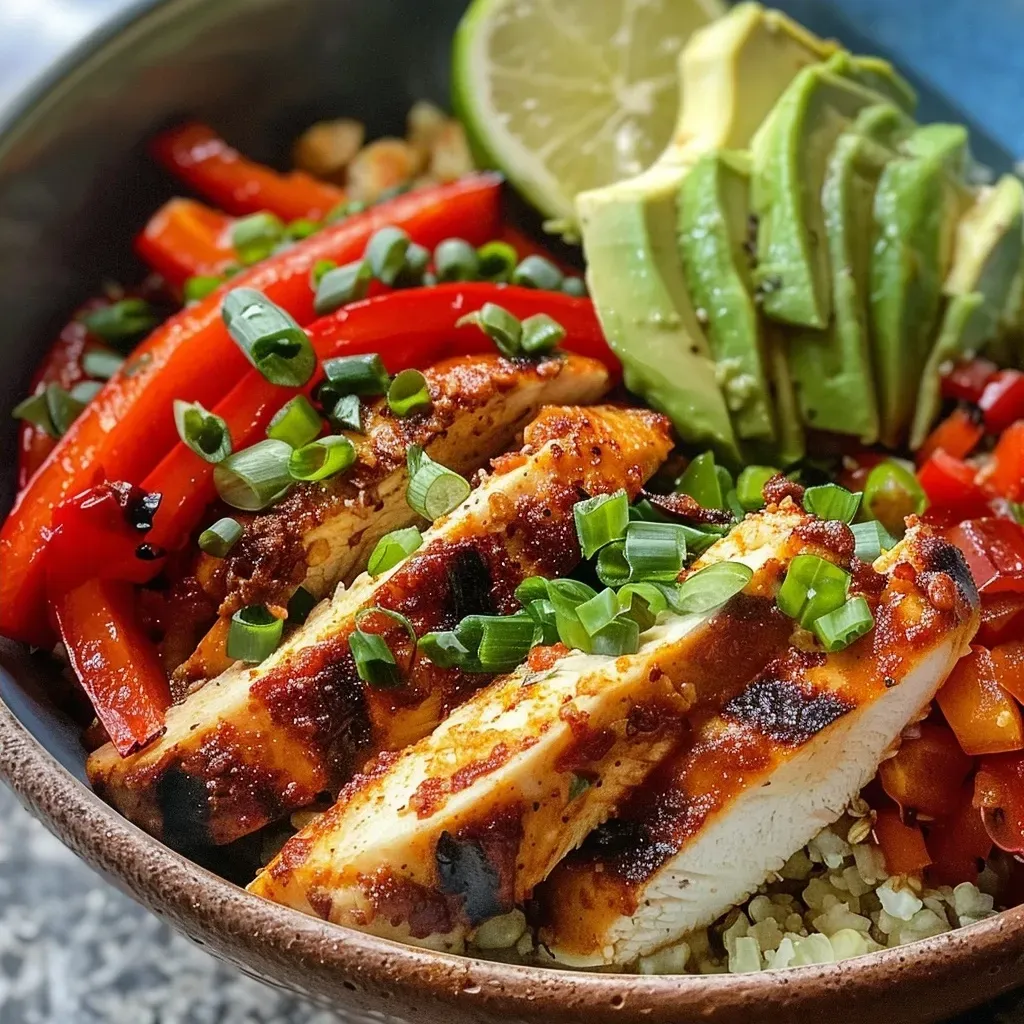
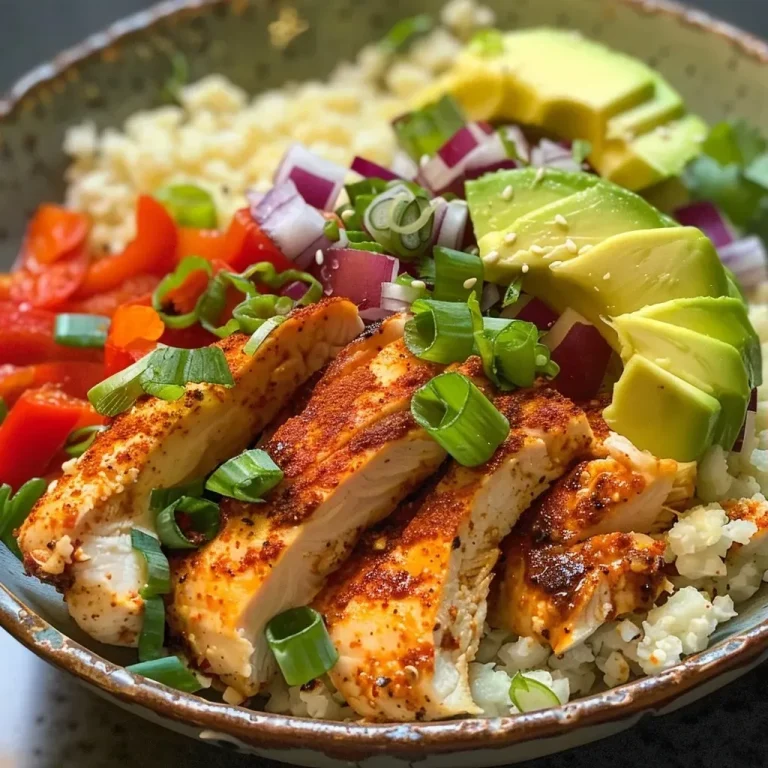
Smoky Chicken and Cauliflower Rice Bowls

Let’s break down the cooking process into easy steps:

Step 1: Season the Chicken

In a large bowl, place your chicken breasts and drizzle with 1 tablespoon of oil. Add the smoked paprika, garlic powder, cumin, salt, and pepper. Massage the spices into the meat and let it sit for 10–15 minutes while you prep the vegetables.

Tip: Letting the chicken rest in the spices allows the smoky flavor to really soak in. It’s worth the wait!

Step 2: Grill or Sear the Chicken

Heat a grill pan or skillet over medium-high heat. Add the chicken and cook for 4–5 minutes per side, or until golden on the outside and fully cooked inside (internal temp should reach 165°F). Set aside to rest before slicing.

Step 3: Cook the Vegetables and Cauliflower Rice

In a large skillet, heat the remaining oil. Sauté the red onions and bell peppers for 2–3 minutes until just tender. Add the minced garlic and cook for another 30 seconds. Stir in the cauliflower rice and sauté everything together for another 3–4 minutes. Season with salt and pepper.

Step 4: Assemble Your Bowls

Divide the cauliflower rice and vegetable mix into four bowls. Top with sliced smoky chicken, avocado chunks, and a squeeze of lime juice. Finish with a sprinkle of fresh green onions.

Pro Tips for Perfect Bowls

  • Use Fresh Ingredients: Fresh herbs and spices amplify the flavors, making a noticeable difference.
  • Don’t Overcook the Chicken: Keep an eye on the chicken to prevent it from drying out; it should be juicy and tender.
  • Experiment with Spices: Feel free to adjust the spice levels according to your taste. A pinch of cayenne can add a nice kick!
  • Prep Ahead: Marinate the chicken the night before for maximum flavor or pre-chop your veggies for quick assembly.
  • Mind the Cauliflower Rice: If using frozen cauliflower rice, thaw it completely and drain excess moisture to avoid sogginess.
  • Garnish Generously: Fresh herbs like cilantro or parsley can elevate the dish visually and flavor-wise.
  • Consider a Sauce: A drizzle of soy sauce or a yogurt-based sauce can add richness and enhance the flavors.
  • Mix Up the Veggies: Feel free to add in your favorite vegetables—zucchini, broccoli, or spinach can all work well!

Common Mistakes and Troubleshooting

Here are some common pitfalls to avoid while preparing your bowls:

  • Overcrowding the Pan: When cooking the chicken or veggies, ensure there’s enough space for them to sear rather than steam.
  • Not Letting Chicken Rest: Resting the chicken after cooking helps retain its juices—don’t skip this step!
  • Using Too Much Oil: While oil is essential, using too much can make the dish greasy. Measure it out for best results.
  • Skipping Seasoning: Don’t underestimate the importance of seasoning; it can make or break the flavor of your dish!

Variations of Smoky Chicken and Cauliflower Rice Bowls

This recipe is incredibly versatile! Here are some variations to try:

  • Vegetarian Version: Swap the chicken for tofu or tempeh, seasoned and grilled for a plant-based option.
  • Add Different Proteins: Try shrimp or steak instead of chicken to mix things up.
  • Spicy Kick: Incorporate diced jalapeños or a dash of hot sauce for those who love heat.
  • Grain Addition: For a heartier bowl, mix in quinoa or farro along with the cauliflower rice.

Storage and Make-Ahead Instructions

This dish is perfect for meal prep! Here’s how to store it:

  • Refrigeration: Store the assembled bowls in airtight containers in the fridge for up to 4 days.
  • Freezing: To freeze, store the chicken and veggies separately from the cauliflower rice to avoid sogginess. Freeze for up to 3 months.
  • Reheating: Reheat in the microwave or on the stovetop until heated through, adding a splash of water if needed to revive moisture.

Frequently Asked Questions

  • Can I use frozen cauliflower rice? Yes! Just make sure to thaw and drain it well before cooking to avoid excess moisture.
  • How do I know when the chicken is done? The internal temperature should reach 165°F for fully cooked and safe consumption.
  • Can I substitute the chicken with something else? Absolutely! You can use tofu, shrimp, or even chickpeas for a different twist.
  • What can I serve with these bowls? These bowls are great on their own, but you can serve them with a side salad or some whole-grain pita for extra satisfaction.
  • Is this dish gluten-free? Yes, as long as you ensure no soy sauce or other additives contain gluten.
  • Can I make this dish ahead of time? Yes! You can marinate the chicken and chop the veggies the night before for a quick assembly during cooking.
  • What if I don’t have smoked paprika? You can use regular paprika or a mix of paprika and a touch of liquid smoke for a similar flavor.
  • How can I make this dish spicier? Adding red pepper flakes or diced jalapeños can increase the heat nicely!

Nutritional Tips and Dietary Adaptations

This dish is inherently healthy, but here are some ways to enhance its nutritional value:

  • High Fiber: Incorporating a variety of vegetables can boost fiber content, aiding digestion.
  • Healthy Fats: The avocado not only adds creaminess but also provides healthy fats beneficial for heart health.
  • Low-Carb: Cauliflower rice serves as a fantastic low-carb alternative to traditional rice, making it suitable for keto or low-carb diets.
  • Protein Boost: For an extra protein punch, consider adding nuts or seeds as a topping.

Equipment Recommendations

To make this recipe, here’s what you’ll need:

  • Skillet or Grill Pan: Essential for searing the chicken and sautéing the vegetables.
  • Sharp Knife: For easy chopping of veggies and slicing the chicken.
  • Cutting Board: A sturdy cutting board will make prep a breeze.
  • Mixing Bowl: A large bowl for marinating the chicken.
  • Meat Thermometer: To ensure your chicken is cooked to perfection.

Serving Suggestions

Here are some ideas to make your Smoky Chicken and Cauliflower Rice Bowls even more delightful:

  • Top with Fresh Herbs: A sprinkle of cilantro or parsley adds freshness.
  • Drizzle with Sauce: A light dressing or sauce can add an extra layer of flavor.
  • Accompany with Lime Wedges: A squeeze of fresh lime just before eating brightens the dish.
  • Pair with a Side Salad: A simple green salad can complement your bowls beautifully.

Conclusion

Now that you have the ultimate guide to making Smoky Chicken and Cauliflower Rice Bowls, it’s time to get cooking! This recipe is not only delicious but also flexible enough to suit your preferences. Enjoy the process, savor the flavors, and feel empowered in your kitchen. Remember, cooking is about having fun and experimenting—so don’t hesitate to make it your own!

Smoky Chicken and Cauliflower Rice Bowls

Prep Time 15 minutes
Cook Time 15 minutes
Total Time 30 minutes
Servings 4 bowls
Calories 350
A flavorful and healthy bowl combining smoky seasoned chicken with vibrant vegetables and cauliflower rice, perfect for a quick, nutritious meal.

Ingredients

Protein

  • 4 pieces skinless, boneless chicken breasts (about 1.5 lbs)
  • 2 tablespoons olive oil or avocado oil (divided)
  • 1.5 tablespoons smoked paprika
  • 1 teaspoon garlic powder
  • 1 teaspoon ground cumin
  • to taste Sea salt and freshly ground black pepper
  • 2 red bell peppers chopped
  • 1 large red onion (chopped)
  • 3-4 cloves garlic (minced)
  • 4 cups cauliflower rice
  • 1 large avocado (or 2 small, chopped)
  • Juice of 2 limes fresh lime juice
  • 2 green onions sliced (for garnish)

Instructions 

  • Season chicken with spices and let sit for 10–15 minutes.
  • Grill or sear chicken 4–5 minutes per side until cooked through. Rest and slice.
  • Sauté vegetables 2–3 minutes, add garlic, then cauliflower rice, and cook 3–4 minutes. Season with salt and pepper.
  • Assemble bowls with cauliflower rice, vegetables, sliced chicken, avocado, lime juice, and green onions.

Notes

Let the chicken rest after cooking to keep it juicy.
Calories: 350kcal
Cost: $15
Course: Main Course
Cuisine: Fusion
Keyword: Cauliflower Rice, Chicken

Welcome to your new favorite weeknight meal! This easy chicken stir fry is a vibrant and quick dish that brings together tender chicken and a medley of colorful vegetables in a flavorful sauce. Whether you’re a seasoned home cook or just starting out, this recipe is designed to inspire confidence in your cooking skills. Let’s dive into this delicious meal that’s perfect for busy nights!

Why You’ll Love This Recipe

This chicken stir fry isn’t just about convenience—it’s packed with benefits that will make it a staple in your kitchen:

  • Quick Cooking Time: Ready in under 30 minutes, making it perfect for those hectic weeknights.
  • Flavorful Sauce: The combination of soy sauce, honey, and garlic creates a deliciously balanced sauce that enhances the chicken and veggies.
  • Healthy Ingredients: Loaded with colorful vegetables, this dish is a great way to incorporate more nutrition into your meals.
  • Customizable: Easily swap in your favorite vegetables or proteins to cater to your family’s tastes.
  • Family-Friendly: Kids and adults alike will love the vibrant colors and tasty flavors, making mealtime enjoyable for everyone.

Ingredient Breakdown

Let’s explore the key ingredients for this chicken stir fry and some potential substitutions to suit your preferences:

  • Chicken Breasts: Use boneless, skinless chicken breasts, cut into 1-inch pieces. You can substitute with chicken thighs or even tofu for a vegetarian option.
  • Vegetables: This recipe includes broccoli, bell peppers, and carrots. Feel free to add snap peas, zucchini, or bell peppers of any color.
  • Sesame Seeds: These add a lovely crunch and nutty flavor. If you don’t have them, try chopped nuts or omit them altogether.
  • Soy Sauce: A key ingredient for flavor. Low-sodium soy sauce works well, and tamari is a great gluten-free alternative.
  • Honey: This adds sweetness to balance the saltiness of the soy sauce. Maple syrup can be used as a vegan substitute.
  • Ground Ginger and Minced Garlic: Fresh is best, but ground ginger and garlic powder can substitute in a pinch.

How to Make Chicken Stir Fry

Follow these simple steps to create your chicken stir fry:

  1. In a small bowl, whisk together 1 tablespoon cornstarch, ¼ cup chicken broth, ¼ cup soy sauce, and 2 tablespoons honey. Set the stir fry sauce aside.
  2. Heat 1 tablespoon olive oil in a large skillet over medium-high heat. Add the chicken pieces, seasoned with salt and pepper, and sauté for 3–5 minutes until browned and cooked through. Remove the chicken from the skillet and set aside.
  3. Add the remaining olive oil to the skillet, then add the broccoli, bell peppers, and carrots. Cook, stirring occasionally, until the vegetables are tender but still crisp—about 3–4 minutes.
  4. Stir in the ground ginger and minced garlic, cooking for an additional 1–2 minutes until fragrant.
  5. Return the cooked chicken to the skillet and pour the prepared stir fry sauce over everything. Stir to coat evenly, and bring the mixture to a boil, cooking for 1 minute to thicken the sauce.
  6. Top with sesame seeds and serve hot over rice or noodles. Enjoy your homemade chicken stir fry!

Pro Tips for Perfect Chicken Stir Fry

Close-up view of a colorful chicken stir fry with broccoli, bell peppers, and carrots.

Here are some expert insights to help you nail this recipe every time:

  • Prep Ahead: Chop your vegetables and chicken ahead of time to make the cooking process smoother.
  • High Heat: Stir frying works best at high heat to achieve that signature char and crispiness.
  • Don’t Overcrowd: Cook in batches if necessary to avoid steaming the chicken and vegetables.
  • Use a Wok: If you have one, a wok is perfect for stir frying due to its high sides and even heating.
  • Fresh Ingredients: Fresh veggies and herbs will enhance the flavor and texture of your stir fry.
  • Adjust the Sauce: Feel free to tweak the sauce by adding more honey for sweetness or chili flakes for heat.
  • Thicker Sauce: For a thicker sauce, let it simmer a bit longer or add an extra teaspoon of cornstarch dissolved in water.
  • Serve Immediately: Stir fry is best enjoyed fresh to preserve the crispness of the vegetables.

Common Mistakes and Troubleshooting

Even the best home cooks can run into issues. Here’s how to avoid common pitfalls:

  • Chicken Sticking: Make sure your skillet is hot enough before adding the chicken to prevent sticking.
  • Overcooked Vegetables: Keep an eye on your vegetables and remove them from the heat while they’re still vibrant and slightly crisp.
  • Too Saucy: If your stir fry ends up too saucy, let it cook longer to reduce the liquid.
  • Bland Flavors: Always taste as you go and adjust seasoning as needed. A splash of soy sauce can do wonders!

Variations to Try

Feel free to mix things up with these delicious variations:

  • Beef Stir Fry: Substitute chicken for thinly sliced beef sirloin for a heartier meal.
  • Vegetable-Only Stir Fry: Skip the meat and double the veggies for a delicious vegetarian option.
  • Spicy Chicken Stir Fry: Add sliced jalapeños or chili paste for an extra kick.
  • Teriyaki Chicken Stir Fry: Swap out the soy sauce for teriyaki sauce for a sweet and savory twist.

Storage and Make-Ahead Instructions

This chicken stir fry can be made ahead for easy meals throughout the week:

  • Refrigeration: Store in an airtight container in the refrigerator for up to 3 days.
  • Freezing: You can freeze leftovers for up to 2 months. Thaw overnight in the fridge before reheating.
  • Reheating: Reheat in a skillet over medium heat until warmed through. Add a splash of water or broth if it seems dry.

Frequently Asked Questions

Here are some common questions about chicken stir fry:

  • Can I use frozen vegetables? Yes! Just add them directly to the skillet without thawing.
  • What can I serve with stir fry? Serve over rice, quinoa, or noodles for a complete meal.
  • Is stir fry healthy? Absolutely! It’s packed with protein and vegetables.
  • Can I use other proteins? Yes! Shrimp, tofu, or pork can be excellent substitutes.
  • How can I make it gluten-free? Use gluten-free soy sauce or tamari in place of regular soy sauce.
  • Can I make it ahead of time? Yes! Make it ahead and store it in the fridge or freezer.
  • What’s the best oil for stir frying? High smoke point oils like vegetable or peanut oil are ideal.
  • How do I know when chicken is cooked? Chicken should reach an internal temperature of 165°F (75°C).

Nutrition Tips and Dietary Adaptations

This chicken stir fry can easily be adapted to fit various dietary needs:

  • Low-Carb Option: Serve over cauliflower rice instead of regular rice.
  • Paleo-Friendly: Substitute honey with coconut sugar, and use a compliant soy sauce alternative.
  • Vegetarian: Swap chicken for tofu or tempeh, and use vegetable broth instead of chicken broth.

Equipment Recommendations

For the best results, consider using the following kitchen tools:

  • Nonstick Skillet or Wok: Ideal for stir frying without sticking.
  • Sharp Knife: A good knife makes cutting chicken and veggies easy and efficient.
  • Cutting Board: Use a designated cutting board for meats and vegetables to avoid cross-contamination.
  • Measuring Cups and Spoons: Accurate measurements ensure the perfect flavor balance.

Serving Suggestions

To elevate your meal, consider serving your chicken stir fry with:

  • Steamed Rice: White, brown, or jasmine rice make excellent bases.
  • Rice Noodles: A fun twist that pairs well with stir fry flavors.
  • Salad: A light cucumber or Asian slaw salad can complement the warm stir fry.

Conclusion

There you have it! A quick, flavorful chicken stir fry that’s sure to impress your family while fitting seamlessly into your busy schedule. Remember, cooking is about experimenting and enjoying the process—so don’t hesitate to make this recipe your own. Thank you for joining me in the kitchen today; I’m so glad you’re here, and I can’t wait for you to try this delightful dish!

Easy Chicken Stir Fry Recipe

Prep Time 10 minutes
Cook Time 15 minutes
Total Time 25 minutes
Servings 4 servings
Calories 350
A quick and flavorful chicken stir fry packed with colorful vegetables and a savory sauce, perfect for a weeknight dinner.

Ingredients

Protein

  • 3 pieces boneless chicken breasts (diced into 1 inch pieces)
  • 1/2 tsp salt
  • 1/2 tsp pepper
  • 2 tbsp olive oil (divided)
  • 2 cups broccoli florets (diced into bite size pieces)
  • 1/2 Yellow Bell Pepper Yellow Bell Pepper (cut into 1 inch pieces)
  • 1/2 red bell pepper Red Bell Pepper (cut into 1 inch pieces)
  • 1/2 cup carrots (shredded)
  • 1/2 tsp ground ginger
  • 2 tsp minced garlic
  • 2 tbsp sesame seeds
  • 1 tbsp cornstarch
  • 1/4 cup chicken broth
  • 1/4 cup soy sauce
  • 2 tbsp honey

Instructions 

  • Whisk cornstarch, chicken broth, soy sauce, and honey to make the sauce. Set aside.
  • Cook diced chicken in 1 tbsp olive oil until browned, then remove from skillet.
  • Stir-fry vegetables in remaining oil until tender-crisp. Add ginger and garlic; cook 1-2 minutes.
  • Return chicken to skillet, pour sauce, and cook until thickened, about 1 minute. Top with sesame seeds.

Notes

Serve over rice or enjoy as is for a complete meal.
Calories: 350kcal
Cost: $15
Course: Main Course
Cuisine: Asian
Keyword: Chicken, Stir Fry

Start Your Day Right with Fluffy Protein Pancakes

Are you looking to supercharge your mornings with a breakfast that’s not only delicious but also packed with nutrients? Look no further! This recipe for protein pancakes combines wholesome ingredients to create a fluffy, satisfying meal that’s perfect for busy mornings or a post-workout treat. With just a few simple steps, you’ll be on your way to enjoying a delicious and nutritious start to your day!

In this article, you’ll discover everything you need to know about making these easy protein pancakes, including ingredient breakdowns, expert tips, and variations to suit your taste. Let’s dive in!

Why You’ll Love This Recipe

These high protein pancakes are more than just a tasty breakfast option. Here are five reasons to love this recipe:

  • Nutrient-Packed: Each serving is loaded with protein, providing you with the energy you need to power through your day.
  • Quick and Easy: With minimal prep time, these pancakes can be whipped up in under 15 minutes, making them a perfect choice for busy mornings.
  • Customizable: You can easily adjust the ingredients to suit your dietary needs, whether you prefer gluten-free options or different flavors.
  • Family-Friendly: Even picky eaters will love these pancakes, making them a great way to introduce healthy eating to your family.
  • Deliciously Versatile: Top them with your favorite fruits, nuts, or syrups to create a breakfast that’s uniquely yours!

Ingredients Breakdown

Here’s what you’ll need to make these amazing protein pancakes, along with some substitution options:

  • 1/2 cup almond meal: Provides a nutty flavor and texture. Substitute with oat flour for a gluten-free option.
  • 2 tablespoons Healthy Chef Pure Native WPI – Vanilla or Natural: This is your protein source. Feel free to use any flavor of protein powder you prefer.
  • 1/2 cup cottage cheese or mashed banana: Adds moisture and creaminess. If you’re dairy-free, use a mashed avocado for a similar texture.
  • 2 large organic eggs: Binds the ingredients together. You can replace them with flax eggs for a vegan option.
  • 1 teaspoon baking powder: Helps the pancakes rise for that fluffy texture.
  • Ground cinnamon: Adds warmth and flavor. You can also experiment with vanilla extract for an extra flavor kick.
  • Maple syrup: Use as a sweetener. Honey or agave syrup works too!
  • Greek yogurt: A delicious topping that adds creaminess and extra protein.
  • Fresh blueberries: These add a burst of flavor and nutrients. Substitute with any fruit you love!

How to Make Protein Pancakes

Close-up side view of fluffy protein pancakes topped with fresh blueberries and a drizzle of maple syrup.

Follow these easy steps to create your fluffy protein pancakes:

  1. Combine all ingredients in a small food processor or mix them by hand until you achieve a smooth batter.
  2. Heat a non-stick skillet over low-medium heat and lightly grease it with olive oil if necessary.
  3. Pour a portion of the batter onto the skillet, cooking for about 2 minutes on each side or until golden brown.
  4. Serve warm with your choice of toppings like berries, Greek yogurt, or a drizzle of maple syrup.
  5. Enjoy your nutritious and delicious pancakes!

Pro Tips for Perfect Pancakes

Here are some expert tips to ensure your pancakes turn out perfectly every time:

  • Don’t overmix: Mix just until combined to keep your pancakes fluffy.
  • Adjust the heat: Cooking on too high heat can burn the pancakes. Keep it low-medium for even cooking.
  • Let the batter rest: Allowing the batter to sit for a few minutes can help improve the texture.
  • Use a measuring cup: For consistent pancake sizes, use a measuring cup to pour the batter.
  • Experiment with flavors: Add cocoa powder or spices for different flavor profiles.
  • Keep warm: Place cooked pancakes in a warm oven while you finish cooking the rest.
  • Use fresh ingredients: Fresh eggs and yogurt will enhance the flavor and texture.
  • Try different toppings: Get creative with your toppings to make each pancake experience unique!

Common Mistakes and Troubleshooting

Even the best cooks make mistakes! Here are some common issues and how to fix them:

  • Pancakes are too dense: This can happen if you overmix or if your baking powder is old. Ensure your ingredients are fresh!
  • Pancakes are sticking to the pan: Make sure your skillet is adequately heated and greased.
  • Pancakes are burnt on the outside and raw on the inside: Lower the heat and cook longer to ensure they cook through.
  • Pancakes fall apart: Ensure your batter has enough binding ingredients, like eggs or cottage cheese.

Variations to Try

Get creative with these delicious variations of the basic recipe:

  • Chocolate Protein Pancakes: Add 2 tablespoons of cocoa powder to the batter for a chocolatey twist.
  • Banana Oat Pancakes: Replace almond meal with rolled oats for a heartier texture.
  • Blueberry Greek Yogurt Pancakes: Stir in fresh blueberries and a dollop of Greek yogurt into the batter.
  • Spiced Pumpkin Pancakes: Add pumpkin puree and pumpkin spice for a seasonal favorite.

Storage and Make-Ahead Instructions

Want to make these pancakes in advance? Here’s how:

  • Refrigerate: Store cooked pancakes in an airtight container in the fridge for up to 3 days.
  • Freeze: For longer storage, freeze individual pancakes separated by parchment paper in a freezer bag for up to 2 months.
  • Reheat: Simply warm them in the microwave or toaster when you’re ready to enjoy!

Frequently Asked Questions

Here are some common questions about protein pancakes:

  • Can I use different protein powder?: Yes! Feel free to use whey, casein, or plant-based protein powders.
  • Are these pancakes gluten-free?: Yes, if you use almond meal or a gluten-free flour alternative.
  • Can I make these pancakes vegan?: Absolutely! Substitute eggs with flax eggs and use a dairy-free yogurt.
  • How can I make the pancakes sweeter?: Add a sweetener of your choice to the batter or top with maple syrup.
  • What are the best toppings?: Fresh fruits, nut butter, Greek yogurt, and honey are fantastic options!
  • Can I double the recipe?: Yes! Simply multiply the ingredients to make a larger batch.
  • How do I know when the pancakes are done?: Look for bubbles forming on the surface and a golden-brown color.
  • Can I add veggies to the pancakes?: Yes! Finely grated zucchini or carrots can be added for extra nutrition.

Nutritional Tips and Dietary Adaptations

Looking to make these pancakes even healthier? Here are some tips:

  • Add Flaxseed: Incorporate ground flaxseed for added omega-3 fatty acids and fiber.
  • Opt for Whole Foods: Choose organic ingredients whenever possible for better nutrition.
  • Balance Your Meal: Pair pancakes with a source of healthy fat, like nut butter, to keep you satisfied longer.

Equipment Recommendations

To make your pancake-making experience smooth and enjoyable, consider the following equipment:

  • Non-Stick Skillet: A quality non-stick skillet ensures easy flipping and cooking.
  • Mixing Bowl: A large bowl is ideal for combining your ingredients.
  • Measuring Cups and Spoons: Accurate measurements are key to recipe success.
  • Spatula: A sturdy spatula helps with flipping pancakes without breaking them.

Serving Suggestions

Make your pancakes even more delightful with these serving ideas:

  • Fruity Delight: Top with slices of banana, strawberries, or a medley of berries.
  • Nutty Crunch: Sprinkle chopped nuts or seeds for added texture and healthy fats.
  • Syrup Sensation: Drizzle with maple syrup, honey, or a homemade fruit compote.
  • Yogurt Layer: Add a layer of Greek yogurt for creaminess and additional protein.

With this comprehensive guide, you’re all set to make the best protein pancakes that will not only satisfy your taste buds but also nourish your body. Remember, cooking is all about having fun and being creative. So grab your ingredients and get ready to enjoy a delightful breakfast that you can feel great about!

Protein Pancakes

Prep Time 5 minutes
Cook Time 4 minutes
Total Time 9 minutes
Servings 2 servings
Calories 350
Delicious and healthy protein pancakes perfect for a quick breakfast or snack.

Ingredients

Dry ingredients

  • 0.5 cup almond meal
  • 2 tablespoons Healthy Chef Pure Native WPI - Vanilla or Natural
  • 1/2 cup cottage cheese or mashed banana
  • 2 large organic eggs
  • 1 teaspoon baking powder

Spices and toppings

  • ground cinnamon
  • maple syrup
  • Greek yoghurt
  • fresh blueberries

Instructions 

  • Combine all ingredients in a food processor or by hand.
  • Cook for 2 minutes on each side in a heated frypan over low-medium heat, using a little olive oil if needed.
  • Serve with berries, yoghurt, and maple syrup.
  • Enjoy!

Notes

You can substitute mashed banana for cottage cheese for a dairy-free option.
Calories: 350kcal
Cost: $10
Course: Breakfast
Cuisine: American
Keyword: pancakes, Protein