Author

Steven

Browsing

Cooking can sometimes feel daunting, especially after a long day. But with the right recipe, whipping up a delicious meal can be a breeze! This quick sheet pan chicken and vegetables recipe is designed to simplify your dinner routine while delivering bold flavors and vibrant colors to your plate. In under 30 minutes, you can create a satisfying meal that will leave your taste buds dancing and your kitchen clean!

Whether you’re a seasoned home chef or just starting out, this dish will boost your cooking confidence and inspire creativity in the kitchen. Let’s dive into why you’ll love this recipe and how to make it your own!

Why You’ll Love This Recipe

  • Quick and Convenient: This recipe takes less than 30 minutes from prep to plate, perfect for busy weeknights.
  • One-Pan Wonder: Simplify cleanup with everything cooked on a single sheet pan.
  • Flavor-Packed: Marinating the chicken in olive oil and spices ensures every bite is bursting with flavor.
  • Customizable: Swap out vegetables based on your preferences or what’s in season, making it versatile for any time of year.
  • Healthy and Nutritious: Packed with lean protein and colorful veggies, this dish is both satisfying and nutritious.

Ingredient Breakdown

Let’s look at the ingredients you’ll need for this sheet pan chicken recipe and some fantastic substitutions to keep it fresh!

  • Chicken Breasts: 4 boneless, skinless chicken breasts. You can substitute with thighs if you prefer dark meat.
  • Vegetables: 2 cups of broccoli florets, 1 red bell pepper (sliced), and 1 zucchini (sliced). Feel free to use other veggies like carrots, asparagus, or snap peas.
  • Olive Oil: 2 tablespoons of olive oil adds richness and helps seasonings stick. Avocado oil is a great alternative.
  • Spices: 1 teaspoon garlic powder and 1 teaspoon paprika add flavor. You can also try cumin or Italian seasoning for a different twist.
  • Salt and Pepper: To taste. Always a must for enhancing flavors.

Instructions for a Perfect Dish

Ready to cook? Follow these simple steps for a delicious sheet pan dinner!

  • Preheat the Oven: Set your oven to 400°F (200°C) to prepare for roasting.
  • Season the Chicken: In a large bowl, mix the chicken with olive oil, garlic powder, paprika, salt, and pepper, ensuring everything is coated evenly.
  • Arrange on Sheet Pan: Place the chicken in the center of your sheet pan. Surround it with the broccoli, bell pepper, and zucchini.
  • Bake: Pop the pan in the oven and bake for 25-30 minutes. The chicken should reach an internal temperature of 165°F (75°C), and veggies should be tender.
  • Serve: Once done, let the dish rest for a few minutes before serving warm. Enjoy!

Pro Tips for Success

Tasty chicken and vegetable dish ready for serving on a baking sheet.

To elevate your dish, keep these expert insights in mind:

  • Use a Meat Thermometer: To ensure the chicken is perfectly cooked, use a meat thermometer to check for an internal temperature of 165°F (75°C).
  • Try Marinading: For deeper flavor, marinate the chicken for 30 minutes to a few hours before baking.
  • Experiment with Seasonings: Don’t hesitate to try different spices or herbs based on your taste preferences.
  • Cut Uniformly: Ensure all your vegetables are cut to a similar size for even cooking.
  • High-Quality Olive Oil: Using a good quality extra virgin olive oil enhances the flavor significantly.
  • Don’t Overcrowd the Pan: Give each piece enough space on the pan to ensure they roast rather than steam.
  • Let it Rest: After baking, let the chicken rest before slicing to keep it juicy.
  • Garnish for Color: Consider garnishing with fresh herbs like parsley or basil before serving for an extra pop of flavor and color.

Common Mistakes and Troubleshooting

Even with the best intentions, things can go awry. Here are some common pitfalls and how to avoid them:

  • Dry Chicken: Overcooking can lead to a dry chicken. Always check the internal temperature.
  • Undercooked Vegetables: If veggies aren’t cooked to your liking, add them to the pan first and let them roast longer than the chicken.
  • Flavorless Dish: Ensure you season well! A little salt and pepper can make a huge difference.
  • Sticky Chicken: If the chicken sticks to the pan, consider using parchment paper or a non-stick spray to help it release easily.

Variations to Try

Want to mix things up? Here are some delightful variations:

  • Asian-Inspired: Substitute with soy sauce, ginger, and sesame oil in place of olive oil and spices. Use bok choy and snap peas as your veggies!
  • Italian Feast: Incorporate Italian herbs and swap the veggies for cherry tomatoes, bell peppers, and eggplant.
  • Spicy Kick: Add cayenne pepper or chili flakes to the seasoning mixture for a bit of heat.
  • Summer Medley: In the summer, try zucchini, corn, and cherry tomatoes for a fresh twist.

Storage and Make-Ahead Instructions

This dish is perfect for meal prepping! Here’s how to store and enjoy it later:

  • Refrigerator: Store leftovers in an airtight container in the refrigerator for up to 3 days.
  • Freezing: Freeze leftovers for up to 2 months. Thaw in the refrigerator overnight before reheating.
  • Reheat: You can reheat in the oven at 350°F (175°C) until warmed through, or in the microwave for a quick option.

Nutritional Tips and Dietary Adaptations

This sheet pan chicken and veggies recipe is not only delicious but also nutritious. Here are some adaptations:

  • Low-Carb Option: Skip starchy vegetables like potatoes and focus on leafy greens.
  • Gluten-Free: This recipe is naturally gluten-free, making it perfect for those with dietary restrictions.
  • Vegan Adaptation: Substitute chicken with chickpeas or tofu and use vegetable broth instead of oil for seasoning.

Equipment Recommendations

To make your cooking experience seamless, consider these essential tools:

  • Sheet Pan: A sturdy, high-quality sheet pan is crucial for even cooking.
  • Mixing Bowls: Use large bowls for mixing and marinating your chicken and veggies.
  • Meat Thermometer: To ensure perfect chicken every time, invest in a reliable meat thermometer.

Serving Suggestions

To make your meal even more delightful, consider these serving ideas:

  • Serve with Rice: Pair your chicken and veggies with a side of fluffy rice or quinoa for a complete meal.
  • Fresh Salad: A crisp green salad can complement the warm dish beautifully.
  • Crusty Bread: Serve with crusty bread for soaking up any juices from the pan.

Frequently Asked Questions

Here are some common questions about this recipe:

  • Can I use frozen vegetables? Yes, frozen vegetables can also be used, just adjust the cooking time as necessary.
  • What if I don’t have olive oil? You can substitute it with any neutral oil, such as canola or grapeseed oil.
  • How can I tell when the chicken is done? Use a meat thermometer to check for an internal temperature of 165°F (75°C).
  • Can I make this ahead of time? Absolutely! Prep it a day ahead and store it in the refrigerator until you’re ready to bake.
  • Can I add cheese? Yes! Sprinkle some cheese on top in the last few minutes of baking for a delicious twist.
  • What vegetables work best? Broccoli, bell peppers, carrots, and zucchini are all great choices!
  • Is this recipe suitable for meal prep? Yes, it’s an excellent meal prep option; just store in airtight containers.
  • What’s the best way to reheat leftovers? Reheat in the oven or microwave until warmed through.

With just a few ingredients and simple steps, you can create a delicious meal prep for the week that the whole family will love. Remember, cooking is about having fun and enjoying the process! So, roll up your sleeves and get ready to experience the joy of cooking with this effortless sheet pan chicken and veggies recipe. Enjoy!

Quick Sheet Pan Chicken and Vegetables Recipe

Prep Time 10 minutes
Cook Time 30 minutes
Total Time 40 minutes
Servings 4 servings
Calories 350
A quick and healthy dinner featuring seasoned chicken breasts roasted with colorful vegetables on a single sheet pan.

Ingredients

Protein

  • 4 pieces boneless, skinless chicken breasts

Vegetables

  • 2 cups broccoli florets
  • 1 red bell pepper sliced red bell pepper
  • 1 zucchini sliced zucchini

Seasonings & Oil

  • 2 tablespoons olive oil
  • 1 teaspoon garlic powder
  • 1 teaspoon paprika
  • to taste Salt and pepper

Instructions 

  • Preheat oven to 400°F (200°C).
  • Mix chicken with olive oil, garlic powder, paprika, salt, and pepper.
  • Arrange chicken and vegetables on a sheet pan.
  • Bake for 25-30 minutes until cooked and tender.
  • Let rest briefly, then serve warm.

Notes

Feel free to customize with your favorite vegetables or seasonings.
Calories: 350kcal
Cost: $15
Course: Dinner
Cuisine: American
Keyword: Chicken, Vegetables

Elevate Your Breakfast with a Fluffy Protein Pancake Breakfast Board

Are you ready to transform your mornings into a delightful culinary experience? This Fluffy Protein Pancake Breakfast Board is not just a meal; it’s a celebration of flavor, nutrition, and creativity, ready in just 15 minutes! Packed with wholesome ingredients, this easy recipe will elevate your mornings, making it the perfect choice for busy days. Dive in, and let’s explore why this recipe will quickly become your new favorite!

Why You’ll Love This Recipe

This fluffy protein pancake breakfast board is more than just pancakes; it’s an adventure on a plate! Here are five reasons you’ll adore this dish:

  • Quick and Convenient: Whip up this breakfast in just 15 minutes, perfect for busy mornings.
  • High-Protein Power: Each serving is loaded with protein, helping keep you full and energized throughout the day.
  • Customizable Toppings: Choose your favorite toppings to create a breakfast board that suits your taste.
  • Wholesome Ingredients: Made with oat flour and natural sweeteners, this recipe supports a healthy lifestyle.
  • Family-Friendly Fun: Involve the kids in assembling the pancake board, making breakfast a fun activity!

Ingredient Breakdown

Let’s take a closer look at the ingredients that make this fluffy protein pancake breakfast board so special, along with some substitutions you might consider:

  • 1 cup oat flour: A gluten-free alternative to regular flour, great for a hearty texture. Substitution: Use all-purpose flour if preferred.
  • 1 scoop vanilla protein powder: Adds a protein boost. Substitution: Any flavored protein powder will work.
  • 1 tsp baking powder: Essential for achieving that fluffy texture.
  • 1/2 tsp cinnamon: Adds warmth and depth of flavor. Substitution: Use nutmeg for a different spice profile.
  • 1/4 tsp salt: Enhances flavors.
  • 1 egg: Binds the ingredients and adds moisture. Substitution: Use a flax egg for a vegan option.
  • 1/2 cup almond milk: A lighter, dairy-free option. Substitution: Any milk (dairy or non-dairy) works.
  • 1 tbsp honey: A natural sweetener. Substitution: Maple syrup or agave for a vegan alternative.
  • 1 tsp vanilla extract: Enhances the flavor profile.
  • 1 tbsp coconut oil: For cooking and adding a hint of coconut flavor. Substitution: Use any neutral oil like canola or vegetable oil.

How to Make Fluffy Protein Pancakes

Ready to cook? Follow these simple steps to create your fluffy protein pancake breakfast board:

  1. In a large bowl, mix the dry ingredients: oat flour, protein powder, baking powder, cinnamon, and salt.
  2. In another bowl, whisk together the wet ingredients: egg, almond milk, honey, and vanilla extract until smooth.
  3. Pour the wet mixture into the dry ingredients, stirring until just combined. Don’t overmix!
  4. Heat a non-stick pan over medium heat and add coconut oil.
  5. Pour small amounts of batter (about ¼ cup) into the pan, cooking until bubbles form on the surface, then flip and cook until golden brown.
  6. Continue until all batter is cooked, stacking pancakes as you go.
  7. Assemble your breakfast board by layering the pancakes and adding toppings of your choice!

Topping Ideas for Your Breakfast Board

One of the best parts of a pancake breakfast board is the toppings! Here are some delicious suggestions:

  • Fresh Fruits: Sliced bananas, strawberries, or blueberries add natural sweetness and nutrition.
  • Nut Butters: Almond or peanut butter provides healthy fats and protein.
  • Yogurt: Greek yogurt offers creaminess and a protein boost.
  • Maple Syrup or Honey: For a sweet drizzle to finish off your stack.
  • Chopped Nuts: Almonds or walnuts add crunch and healthy fats.

Pro Tips for Perfect Fluffy Pancakes

To ensure your pancakes come out perfectly every time, keep these expert tips in mind:

  • Don’t Overmix: A few lumps are okay; overmixing can lead to dense pancakes.
  • Preheat Your Pan: Ensure your pan is hot enough before adding batter to create that fluffy texture.
  • Use a Non-Stick Pan: This prevents sticking and helps achieve even browning.
  • Keep Pancakes Warm: Place cooked pancakes on a plate in a warm oven until all are done.
  • Adjust Consistency: If the batter is too thick, add a splash more milk for your desired thickness.
  • Experiment with Flavors: Try adding cocoa powder or spices for variety.

Common Mistakes and Troubleshooting

Here are some common pitfalls to avoid when making your pancakes:

  • Burnt Pancakes: If your pancakes are burning, reduce the heat of your pan.
  • Flat Pancakes: Ensure your baking powder is fresh and effective.
  • Dense Texture: This can result from overmixing; gently stir the batter.
  • Sticking to the Pan: Make sure your pan is properly greased with oil before cooking.

Variations to Try

Feeling adventurous? Here are some delicious variations of this pancake recipe:

  • Chocolate Protein Pancakes: Add 2 tablespoons of cocoa powder to the dry ingredients.
  • Banana Pancakes: Mash one ripe banana and mix it into the batter for natural sweetness.
  • Berry-Infused Pancakes: Fold in fresh or frozen berries into the batter before cooking.
  • Savory Pancakes: Skip the sweeteners and add cheese and herbs for a savory twist!

Storage and Make-Ahead Instructions

Want to prep ahead? Here’s how to store your pancakes:

  • Refrigerate: Store leftover pancakes in an airtight container in the fridge for up to 3 days.
  • Freeze: For longer storage, freeze pancakes between layers of parchment paper for up to 2 months.
  • Reheat: Warm in the microwave or toast in a toaster for quick serving.

Frequently Asked Questions

Here are some common questions and answers about your fluffy protein pancake breakfast board:

  • Can I use regular flour instead of oat flour? Yes, all-purpose flour can be used, but the texture will differ.
  • How can I make this recipe vegan? Replace the egg with a flax egg and use non-dairy milk.
  • What’s the best way to serve these pancakes? Assemble them on a large platter with various toppings for a fun breakfast board!
  • Can I use a different protein powder? Absolutely! Any flavor will work, just adjust sweetness accordingly.
  • How do I prevent pancakes from sticking? Ensure your pan is well-greased and heated before pouring in the batter.
  • What toppings do you recommend? Fresh fruits, nut butter, and yogurt are all excellent choices!
  • How long can I store leftovers? Leftovers can be refrigerated for up to 3 days or frozen for 2 months.
  • Can I make the batter ahead of time? It’s best to make the batter fresh, but you can prepare the dry ingredients in advance.

Nutrition Tips and Dietary Adaptations

This pancake breakfast is not only delicious but also packed with nutrition! Here are some adaptations:

  • Gluten-Free: Use certified gluten-free oat flour to avoid gluten.
  • Low-Sugar Option: Reduce or omit honey, and use unsweetened almond milk.
  • Higher Fiber: Add flaxseeds or chia seeds into the batter for extra fiber.
  • Protein Boost: Double the protein powder for even more protein per serving.

Equipment Recommendations

To make your pancake-making experience seamless, consider these essential kitchen tools:

  • Non-Stick Pan: Essential for cooking pancakes evenly without sticking.
  • Mixing Bowls: A set of different sizes for mixing dry and wet ingredients.
  • Whisk: A good whisk helps achieve a smooth batter.
  • Spatula: A flexible spatula is key for flipping pancakes effortlessly.

Serving Suggestions

Once your fluffy pancakes are cooked and your breakfast board is assembled, consider these serving ideas:

  • Family Style: Place the board at the center of the table for a communal breakfast experience.
  • Individual Plates: Serve pancakes on individual plates with a variety of toppings ready for guests to choose from.
  • Pair with Drinks: Complement with fresh juice, smoothies, or coffee for a complete breakfast.

In conclusion, this Fluffy Protein Pancake Breakfast Board is not just about filling your belly; it’s about sharing moments, trying new flavors, and enjoying the process of making breakfast fun and engaging. So, gather your ingredients, invite your loved ones, and dive into a delightful breakfast experience that’s both nutritious and delicious. Happy cooking!

Fluffy Protein Pancake Breakfast Board: 15-Minute Protein-Packed Bliss

Prep Time 5 minutes
Cook Time 10 minutes
Total Time 15 minutes
Servings 2 servings
Calories 250
Start your day with these quick, fluffy protein pancakes packed with wholesome ingredients and topped with your favorites.

Ingredients

Dry ingredients

  • 1 cup oat flour
  • 1 scoop vanilla protein powder
  • 1 tsp baking powder
  • 0.5 tsp cinnamon
  • 0.25 tsp salt

Wet ingredients

  • 1 egg egg
  • 0.5 cup almond milk
  • 1 tbsp honey
  • 1 tsp vanilla extract
  • 1 tbsp coconut oil

Instructions 

  • Mix dry ingredients in a bowl.
  • Add wet ingredients and whisk until smooth.
  • Heat a non-stick pan over medium heat.
  • Pour batter into small pancakes and cook until bubbles form, then flip.
  • Serve with toppings of your choice.

Notes

Use fresh toppings like berries or nuts for added flavor.
Calories: 250kcal
Cost: $10
Course: Breakfast
Keyword: pancakes, Protein

Welcome, fellow cooking enthusiasts! If you’re looking for a quick yet satisfying meal that bursts with flavor and color, you’ve landed in the right place. This Rice Noodle Stir-Fry is not only a breeze to whip up in just 30 minutes, but it’s also packed with vibrant vegetables and your choice of protein, making it the perfect weeknight dinner solution. Let’s dive into why you’ll love this recipe and how to make it shine in your kitchen!

Why You’ll Love This Recipe

This Rice Noodle Stir-Fry isn’t just another recipe; it’s a culinary adventure waiting to happen. Here’s why it’s sure to become a staple in your home:

  • Quick Preparation: From start to finish, this dish takes only 30 minutes, perfect for busy weeknights.
  • Customizable Ingredients: You can easily swap out vegetables or proteins based on what you have on hand.
  • Nutrition Packed: With a variety of vegetables, this stir-fry is loaded with vitamins and minerals.
  • Deliciously Versatile: Enjoy it hot or cold; it works as a lunch meal prep option too!
  • Kid-Friendly: With its colorful presentation and familiar flavors, this dish is a hit with kids and adults alike.

Ingredients for Your Rice Noodle Stir-Fry

Let’s gather our ingredients! Here’s what you’ll need to get started:

  • 8 oz flat rice noodles: These noodles create the perfect chewy texture.
  • 1 cup bell peppers (sliced): A mix of red and yellow adds great color.
  • 1 cup broccoli florets: Provides a lovely crunch and nutrition.
  • 1 cup carrots (sliced): Sweet and vibrant, they balance the flavors.
  • 1 cup protein: Choose from tofu, chicken, or shrimp.
  • 3 tablespoons low-sodium soy sauce: For that essential umami flavor.
  • 2 tablespoons sesame oil: Adds richness and depth to the stir-fry.
  • 1 tablespoon fresh ginger (grated): A touch of spice and aroma.
  • 2 tablespoons cooking oil: Avocado or vegetable oil are great choices.
  • Sesame seeds (optional): For garnish and a nutty flavor.
  • Green onions (sliced, optional): A fresh finishing touch.

Step-by-Step Instructions

Now that we have everything, let’s get cooking! Follow these simple steps:

  1. Bring a large pot of water to a rolling boil. Add the rice noodles and cook for 4-6 minutes, stirring occasionally, until tender but still slightly chewy. Drain in a colander and rinse under cold water to stop the cooking process.
  2. While the noodles cook, prepare your vegetables: slice the bell peppers into 1/4-inch strips, cut the broccoli into small florets, and slice the carrots thinly on the diagonal. Grate the fresh ginger and set it aside. If using chicken, dice it into 3/4-inch pieces. If using tofu, press and cube it. If using shrimp, make sure they’re peeled and deveined.
  3. Heat a large skillet or wok over medium heat and add 1 tablespoon of cooking oil. Once shimmering, add your protein and cook until done: tofu for 5-6 minutes, shrimp for 3-4 minutes, or diced chicken for 7-8 minutes until it reaches an internal temperature of 165°F. Remove the protein and set aside.
  4. Increase the heat to medium-high and add another tablespoon of oil to the skillet. Start with the carrots and cook for 2 minutes. Then add the broccoli, bell peppers, and grated ginger. Stir-fry for 3-5 minutes until the vegetables are vibrant with slight char marks but still have a crisp bite.
  5. Return the cooked protein to the skillet. Add the drained rice noodles and soy sauce. Using tongs, toss everything together for about 2 minutes until well combined and heated through. If the mixture seems dry, add a tablespoon of the reserved noodle cooking water.
  6. Drizzle with sesame oil and toss once more. Serve immediately, garnished with sesame seeds and sliced green onions if desired.

Common Mistakes and Troubleshooting

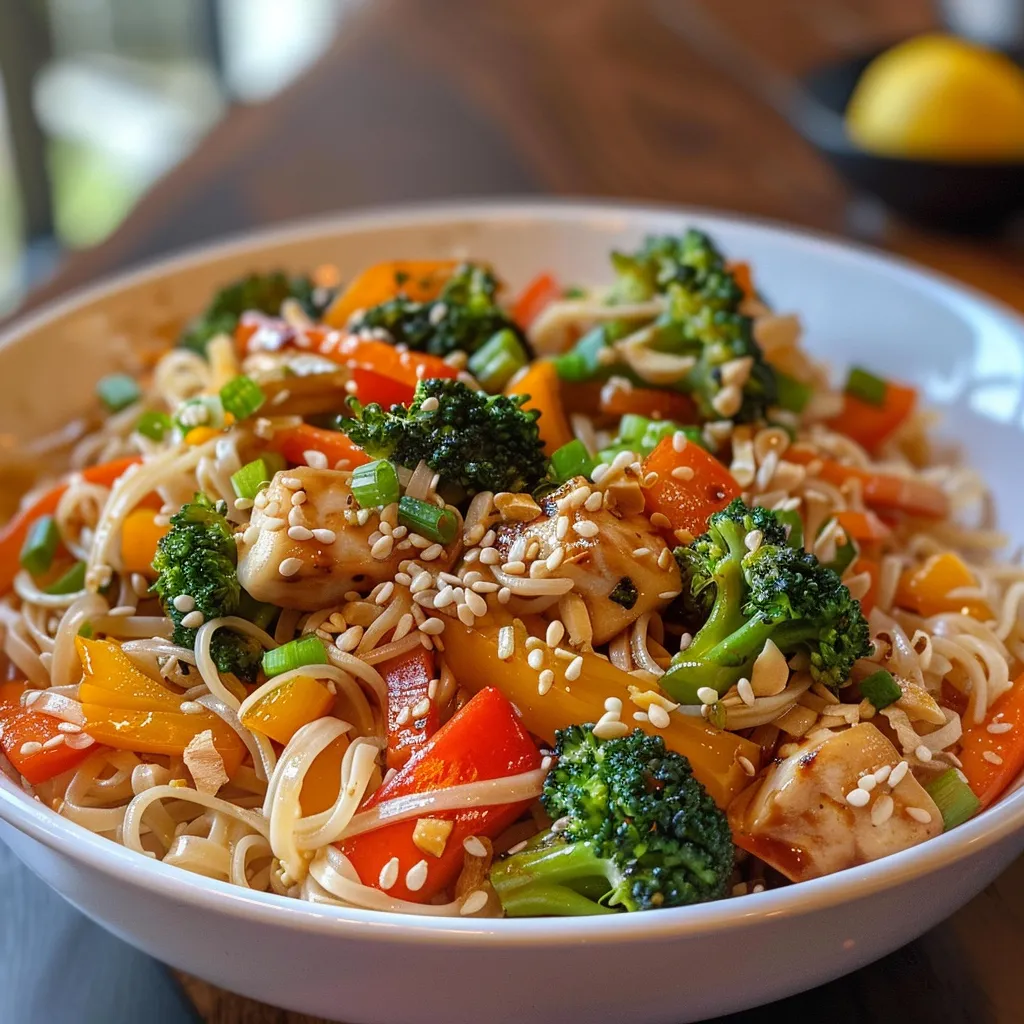
An appetizing presentation of rice noodle stir-fry, highlighting the glossy textures of the noodles and fresh ingredients.

Even the best cooks face challenges sometimes! Here are common mistakes and how to avoid them:

  • Overcooking the noodles: Make sure to cook them just until tender and rinse immediately to stop cooking.
  • Not prepping ingredients: Chop and measure everything before starting to keep the cooking process smooth.
  • Using too much sauce: Start with a little; you can always add more if needed for flavor.
  • Skipping the rinse: Always rinse the noodles after cooking to prevent them from sticking.

Pro Tips for the Perfect Rice Noodle Stir-Fry

To elevate your stir-fry game, check out these expert insights:

  • Prep in advance: Chop your veggies and protein ahead of time for a quick, stress-free cooking experience.
  • Use high heat: Stir-frying at a high temperature helps achieve that delightful char on your veggies.
  • Mix proteins: Try combining chicken and shrimp for a delicious flavor twist.
  • Fresh herbs: Incorporate fresh basil or cilantro for a pop of flavor.
  • Experiment with sauces: Switch up the soy sauce for teriyaki or oyster sauce for a new taste.
  • Leftover magic: This stir-fry is great for using up leftover vegetables from the fridge.
  • Garnish thoughtfully: A sprinkle of chopped nuts or seeds can add a satisfying crunch.
  • Meal prep friendly: Make a larger batch and enjoy it throughout the week.

Variations to Try

Feeling adventurous? Here are some variations to keep things exciting:

  • Spicy Thai Style: Add chili paste or fresh sliced chili for a heat kick.
  • Coconut Curry Noodles: Stir in coconut milk and curry paste for a rich twist.
  • Vegetarian Delight: Load up on all your favorite veggies and omit the protein.
  • Breakfast Stir-Fry: Add scrambled eggs and a splash of soy sauce for a fun breakfast twist.

Storage and Make-Ahead Instructions

This Rice Noodle Stir-Fry is great for meal prep! Here’s how to store it:

  • Refrigeration: Store leftovers in an airtight container in the fridge for up to 3 days.
  • Freezing: For longer storage, freeze the stir-fry for up to 2 months. Just ensure it’s cooled before freezing.
  • Reheating: Reheat in a skillet over medium heat, adding a splash of water or soy sauce to keep it moist.

Frequently Asked Questions

Got questions? Here are answers to some common queries about this recipe:

  • Can I use other types of noodles? Yes! You can substitute with soba, udon, or even spaghetti in a pinch.
  • What vegetables work best? Feel free to use snap peas, zucchini, or mushrooms based on your preference.
  • Can I make this gluten-free? Absolutely! Use gluten-free soy sauce and rice noodles.
  • How do I make it vegan? Simply use tofu or tempeh as your protein and ensure your sauces are vegan-friendly.
  • Is it possible to prepare this dish in advance? Prepping everything in advance and cooking it fresh when ready is the best approach.
  • Can I add more protein? Yes! Consider adding edamame or chickpeas for extra protein.
  • What’s the best way to serve this dish? Serve it hot, garnished with fresh herbs and sesame seeds for a beautiful presentation.
  • How can I enhance the flavor? A dash of lime juice or a sprinkle of zest adds a refreshing finish.

Nutrition Tips and Dietary Adaptations

This Rice Noodle Stir-Fry can easily fit into various dietary needs:

  • Low-carb option: Substitute rice noodles with zucchini noodles.
  • High-protein: Add extra tofu, chicken, or shrimp to increase protein intake.
  • Low-sodium option: Use low-sodium soy sauce and limit added salt.
  • Vegan-friendly: Stick to plant-based proteins and omit any animal products.

Equipment Recommendations

To make your cooking experience even smoother, here’s a list of essential equipment you might need:

  • Large pot: For boiling the rice noodles.
  • Colander: For draining the noodles effectively.
  • Skillet or wok: A large, non-stick skillet or wok is ideal for stir-frying.
  • Wooden spoon or spatula: Perfect for tossing and stirring your ingredients.
  • Measuring cups and spoons: To ensure accurate ingredient measurements.

Serving Suggestions

Elevate your meal with these serving ideas:

  • Pair with a side salad: A crisp green salad complements the stir-fry beautifully.
  • Serve with spring rolls: Fresh or fried spring rolls make a delightful appetizer.
  • Add a dipping sauce: A side of soy sauce or sweet chili sauce can enhance the meal.
  • Top with fresh herbs: Fresh cilantro or basil adds a lovely aroma and flavor.

Conclusion

There you have it—a delicious, vibrant Rice Noodle Stir-Fry that’s perfect for any busy night! With its quick prep time and endless customization options, it’s sure to become a go-to dish in your kitchen. Remember, cooking is all about confidence and creativity, so don’t hesitate to make this recipe your own. I hope you enjoy making and savoring this delightful meal as much as I do. Happy cooking!

Rice Noodle Stir-Fry

Prep Time 10 minutes
Cook Time 15 minutes
Total Time 25 minutes
Servings 4 servings
Calories 450
A quick and flavorful vegetarian-friendly stir-fry featuring tender rice noodles and vibrant vegetables.

Ingredients

Noodles

  • 8 oz flat rice noodles
  • 1 cup bell peppers (sliced)
  • 1 cup broccoli florets
  • 1 cup carrots (sliced)
  • 1 cup protein (tofu, chicken, or shrimp)
  • 3 tablespoons low-sodium soy sauce
  • 2 tablespoons sesame oil
  • 1 tablespoon fresh ginger (grated)
  • 2 tablespoons cooking oil (avocado or vegetable oil)
  • sesame seeds (for garnish, optional) sesame seeds (optional)
  • green onions (sliced, for garnish, optional) green onions (optional)

Instructions 

  • Slice vegetables, grate ginger, prepare protein.
  • Cook protein in 1 tbsp oil until done, remove and set aside.
  • Stir-fry carrots, broccoli, bell peppers, and ginger in 1 tbsp oil for 3-5 mins.
  • Return protein, add noodles and soy sauce, toss for 2 mins, add reserved water if dry.
  • Finish with sesame oil, garnish with sesame seeds and green onions if desired, serve immediately.

Notes

Use firm tofu or chicken for best results. Adjust vegetable quantities as desired.
Calories: 450kcal
Cost: $15
Course: Main Course
Cuisine: Asian
Keyword: rice noodles

Effortless Stuffed Bell Peppers: A Cozy Sunday Delight

Welcome to a world where cooking is both simple and satisfying! Today, we’re diving into a beloved classic: stuffed bell peppers. This dish is not just about filling a pepper with tasty ingredients; it’s about creating a wholesome, comforting meal that brings joy and warmth to your table. With a delightful mixture of ground beef, rice, and spices, these stuffed peppers are sure to become a favorite in your household. Whether it’s for a cozy Sunday dinner or a quick weeknight meal, this recipe will guide you through every step with ease.

Why You’ll Love This Recipe

There are countless reasons to adore these stuffed bell peppers, but here are the top five:

  • Customizable Flavors: You can easily tweak the filling to include your favorite ingredients, from different meats to vegetables.
  • Colorful Presentation: The vibrant colors of the bell peppers create an eye-catching dish that’s as pleasing to the eyes as it is to the palate.
  • Make Ahead: Prepare them in advance for a quick bake later in the week, saving you time when you need it most.
  • Kid-Friendly: This dish is perfect for families, as kids love the fun of eating the pepper!
  • Nutritious and Filling: Packed with protein, fiber, and plenty of veggies, these stuffed peppers are a complete meal.

Ingredients: What You Need

Here’s everything you’ll need to whip up these delicious stuffed bell peppers:

  • 4 large bell peppers (any color you prefer, for a pop of color)
  • 1 pound ground beef (or substitute with turkey or a meat alternative)
  • 1 cup cooked rice (white, brown, or even quinoa for a healthy twist)
  • 1 cup diced tomatoes (canned or fresh; drain excess liquid for a firmer filling)
  • 1 onion, chopped (adds sweetness and depth of flavor)
  • 2 cloves garlic, minced (for that aromatic touch)
  • 1 teaspoon dried oregano (or your favorite herb blend)
  • 1 teaspoon paprika (adds a subtle smokiness)
  • Salt and pepper to taste
  • 1 cup shredded cheese (optional, but highly recommended for a cheesy topping)

Step-by-Step Instructions

Cooking these stuffed bell peppers is straightforward and fun! Follow these steps for a delicious result:

  1. Preheat your oven to 375°F (190°C). This ensures your peppers get perfectly tender.
  2. Prepare the bell peppers: Cut the tops off the bell peppers and remove the seeds. If you want, you can lightly blanch them in boiling water for 5 minutes for a softer texture.
  3. Sauté the filling: In a large skillet, sauté the chopped onion and minced garlic until fragrant. Add the ground beef and cook until browned. Stir in the cooked rice, diced tomatoes, oregano, paprika, salt, and pepper until well combined.
  4. Stuff the peppers: Fill each pepper with the meat and rice mixture, pressing down gently to pack it in. If you’re using cheese, sprinkle it on top.
  5. Bake them: Arrange the filled peppers upright in a baking dish. Cover with aluminum foil and bake in the preheated oven for 25 minutes. Remove the foil and continue baking for another 10 minutes until the peppers are tender and the cheese is melted.

Pro Tips for Perfect Stuffed Peppers

To elevate your stuffed bell peppers game, keep these expert tips in mind:

  • Experiment with spices: Don’t hesitate to add your favorite spices to the filling to enhance the flavors.
  • Mix up the grains: Substitute rice with quinoa or cauliflower rice for a healthier option.
  • Veggie boost: Add chopped mushrooms, zucchini, or spinach to the filling for extra nutrition.
  • Cheese lovers rejoice: Mix different types of cheese into the filling for a richer flavor.
  • Adjust cooking time: If you’re using larger peppers, increase the baking time by a few minutes.
  • Let them rest: Allow the stuffed peppers to sit for a few minutes after baking. This helps the flavors meld together.
  • Freezing for later: Stuffed peppers freeze well! Just make sure to wrap them tightly before storing.
  • Use fresh herbs: Add fresh basil or parsley as a garnish to brighten the dish.

Common Mistakes and Troubleshooting

Even the best cooks can run into issues. Here’s how to avoid common pitfalls:

  • Overcooking the peppers: If you prefer a firmer texture, skip the blanching step.
  • Dry filling: Always add enough moisture—consider adding a splash of broth or more tomatoes.
  • Uneven cooking: Arrange the peppers evenly in the baking dish to ensure they cook uniformly.

Flavor Variations to Try

Get creative with your stuffed bell peppers! Here are some tasty variations:

  • Mexican Style: Use seasoned ground turkey, black beans, corn, and top with salsa and avocado.
  • Italian Twist: Substitute ground beef with Italian sausage, add marinara sauce, and top with mozzarella.
  • Vegetarian Delight: Fill with a mixture of lentils, quinoa, and your favorite vegetables.
  • Breakfast Peppers: Stuff with scrambled eggs, cheese, and chopped veggies for a fun breakfast option.

Storage and Make-Ahead Instructions

These stuffed peppers can be prepped ahead of time, making them perfect for busy schedules:

  • Refrigerate: Store any leftovers in an airtight container in the fridge for up to 4 days.
  • Freezing: Assemble the peppers without baking, wrap them tightly, and freeze for up to 3 months. When ready to bake, thaw overnight in the fridge and follow baking instructions.
  • Make-ahead filling: Prepare the filling a day in advance and store it in the fridge until you’re ready to stuff the peppers.

FAQs About Stuffed Bell Peppers

Here are some frequently asked questions to help you perfect your stuffed bell peppers:

  • Can I use other types of peppers? Yes, you can use poblano or jalapeño peppers for a spicier kick!
  • What can I substitute for ground beef? Ground turkey, chicken, or even plant-based meat alternatives work well.
  • How do I know when the peppers are done? The peppers should be tender and the filling hot throughout.
  • Can I make this dish vegetarian? Absolutely! Simply replace the meat with beans or lentils.
  • What’s the best way to reheat leftovers? Reheat in the oven at 350°F (175°C) for 15-20 minutes until warmed through.
  • Are stuffed peppers healthy? Yes, they are nutrient-dense and can be made even healthier with whole grains and plenty of veggies.
  • Can I add cheese to the filling? Yes! Mixing cheese into the filling adds a delicious creaminess.
  • What sides pair well with stuffed peppers? Serve with a fresh salad, garlic bread, or roasted vegetables for a complete meal.

Nutrition Tips and Dietary Adaptations

You can easily adapt this recipe to fit different dietary needs:

  • Low-carb option: Use cauliflower rice instead of regular rice.
  • Dairy-free: Omit the cheese or use a dairy-free alternative.
  • Gluten-free: Ensure your rice is certified gluten-free and avoid any sauces that may contain gluten.

Essential Equipment for Stuffed Peppers

To make your cooking experience smoother, consider using the following:

  • Sharp knife: For easy cutting and preparation of the peppers.
  • Large skillet: Perfect for sautéing your filling.
  • Baking dish: A deep baking dish helps keep the peppers upright while baking.
  • Aluminum foil: Essential for covering the dish to retain moisture during baking.

Serving Suggestions

Once your stuffed peppers are out of the oven, here are some delightful ways to serve them:

  • Garnish with fresh herbs: A sprinkle of chopped parsley or cilantro adds a refreshing touch.
  • Pair with a salad: A simple green salad with vinaigrette complements the flavors beautifully.
  • Serve with sauces: Offer hot sauce or a drizzle of balsamic reduction for added flavor.
  • Include bread: Crusty bread or dinner rolls are perfect for soaking up the delicious juices.

Cooking is all about exploration and enjoyment. These stuffed bell peppers are not only effortless but also a versatile dish that you can adapt to your preferences. So gather your ingredients, and let’s make a meal that warms the heart and delights the taste buds. Happy cooking!

Sunday Stuffed Bell Peppers

Prep Time 15 minutes
Cook Time 35 minutes
Total Time 50 minutes
Servings 4 servings
Calories 350
Enjoy these flavorful stuffed bell peppers, packed with savory beef, rice, and tomatoes, baked to perfection.

Ingredients

Bell Peppers

  • 4 large bell peppers (any color)
  • 1 pound ground beef
  • 1 cup cooked rice
  • 1 cup diced tomatoes
  • 1 unit onion, chopped
  • 2 cloves garlic, minced
  • 1 teaspoon dried oregano
  • 1 teaspoon paprika
  • to taste Salt and pepper Salt and pepper
  • 1 cup shredded cheese (optional)

Instructions 

  • Preheat oven to 375°F (190°C). Prepare peppers by cutting tops and removing seeds.
  • Sauté onion and garlic until fragrant. Add beef and cook until browned. Mix in rice, tomatoes, oregano, paprika, salt, and pepper.
  • Stuff peppers with the meat mixture, top with cheese if desired.
  • Place peppers in baking dish, cover with foil, and bake for 25 minutes. Remove foil and bake 10 more minutes.

Notes

For a vegetarian version, substitute ground beef with beans or vegetables.
Calories: 350kcal
Cost: $15
Course: Main Course
Cuisine: American
Keyword: Bell Peppers

Get Ready to Savor Chicken Satay Spring Roll Bowls

Have you ever craved a dish that bursts with flavor and is incredibly easy to prepare? Look no further than these Chicken Satay Spring Roll Bowls! This dish combines juicy marinated chicken thighs, vibrant vegetables, and a creamy coconut sauce, all served in a satisfying bowl. Perfect for busy weeknights or meal prep, this recipe is a delightful way to treat yourself and your loved ones.

In this article, we’ll explore everything you need to know to make these mouthwatering bowls—from ingredients and preparation to tips and variations. By the end, you’ll feel confident and excited to whip up this savory chicken recipe in your own kitchen.

Why You’ll Love This Recipe

  • Quick and Easy: With minimal prep and cook time, these bowls can be ready in under 30 minutes, making them perfect for busy evenings.
  • Flavor-Packed: The combination of spices, coconut milk, and fresh veggies creates a delicious harmony that will tantalize your taste buds.
  • Customizable: Feel free to swap out ingredients to suit your preferences—whether you’re going for a spicier kick or a vegetarian option, the possibilities are endless!
  • Meal Prep Friendly: These bowls are great for meal prepping; just store the components separately in the fridge to enjoy throughout the week.
  • Nutritious and Satisfying: Packed with protein, healthy fats, and fresh produce, these bowls provide a balanced meal that will keep you feeling full and energized.

Ingredients for Chicken Satay Spring Roll Bowls

To create these delectable bowls, gather the following ingredients:

  • 4 pieces Chicken Thighs: Juicy protein source that remains tender during cooking.
  • 2 tablespoons Olive Oil: Keeps chicken moist and adds richness.
  • 2 cloves Garlic: Finely minced for a robust flavor.
  • 1 tablespoon Ginger Paste: Adds warmth and spice to the marinade.
  • 3 tablespoons Low-Sodium Soy Sauce: Provides umami depth that enhances the overall flavor.
  • 1 tablespoon Yellow Curry Powder: Infuses the chicken with a warm, aromatic flavor.
  • 1 teaspoon Ground Turmeric: Offers vibrant color and health benefits.
  • 1 teaspoon Ground Coriander: Adds a refreshing zest to the dish.
  • 1 teaspoon Chili Powder: Adjust heat according to your preference.
  • 1 cup Coconut Milk: Adds creaminess and richness to the sauce.
  • to taste Salt/Black Pepper: Essential seasonings to enhance flavors.
  • 1 tablespoon Brown Sugar or Honey: Balances the flavors with a touch of sweetness.
  • 1 cup Fresh Cilantro: Elevates the dish with herbal freshness.
  • 2 tablespoons Lime Juice: Adds a bright acidity that cuts through the richness.
  • 1/2 cup Chopped Peanuts: Provides a crunchy texture that complements the softness of the chicken.
  • 2 cups Rice or Rice Noodles: Base for the bowl, soaking up the delicious sauce.
  • 1 cup Sliced Cucumbers: Provides freshness and crunch.
  • 1 cup Shredded Cabbage: Adds texture and color.
  • 1 cup Julienned Carrots: For an extra layer of crunch and sweetness.

How to Make Chicken Satay Spring Roll Bowls

Ready to bring this dish to life? Follow these simple steps:

Step 1: Marinate the Chicken

In a bowl, combine olive oil, minced garlic, ginger paste, soy sauce, curry powder, turmeric, coriander, chili powder, salt, and black pepper. Add the chicken thighs and ensure they are well coated. Let them marinate for at least 15 minutes, or up to 2 hours in the refrigerator for deeper flavor.

Step 2: Cook the Chicken

Heat a skillet over medium-high heat. Add the marinated chicken thighs and cook for about 6-7 minutes on each side or until fully cooked (internal temperature should reach 165°F/75°C). Once cooked, remove from the skillet and let rest for a few minutes before slicing.

Step 3: Prepare the Sauce

In the same skillet, add the coconut milk and brown sugar (or honey). Stir to combine and let it simmer for 3-4 minutes until slightly thickened. Adjust seasoning with salt and pepper to taste.

Step 4: Assemble the Bowls

Start with a base of rice or rice noodles. Top with sliced chicken, cucumbers, shredded cabbage, and julienned carrots. Drizzle with the coconut sauce, and garnish with fresh cilantro and chopped peanuts. Finish with a squeeze of lime juice for added freshness.

Make-Ahead Options

You can prep many components of these chicken satay spring roll bowls ahead of time:

  • Marinate the Chicken: Marinate the chicken thighs a few hours or a day in advance for maximum flavor.
  • Prepare Vegetables: Chop cucumbers, cabbage, and carrots ahead of time and store them in airtight containers in the fridge.
  • Cook the Chicken: Cooked chicken can be stored in the fridge for up to 3 days and reheated as needed.
  • Make the Sauce: The coconut sauce can be prepared in advance and stored in the refrigerator for up to a week.

What to Serve with Chicken Satay Spring Roll Bowls?

These bowls are delicious on their own, but here are some great pairings:

  • Fresh Spring Rolls: Light and refreshing, they complement the flavors of the chicken satay.
  • Asian Slaw: A crunchy, tangy slaw can add a nice contrast to the rich chicken.
  • Sesame Garlic Green Beans: Quick sautéed green beans provide a vibrant side.
  • Thai Mango Salad: The sweetness of mango balances the savory flavors of the bowls.

Expert Tips for Perfect Chicken Satay Spring Roll Bowls

To ensure your chicken satay spring roll bowls turn out flawlessly, keep these tips in mind:

  • Don’t Rush the Marinade: Allowing the chicken to marinate longer enhances the flavors significantly.
  • Use a Meat Thermometer: Checking the internal temperature ensures perfectly cooked chicken every time.
  • Adjust Heat Levels: Feel free to increase or decrease chili powder based on your heat preference.
  • Experiment with Vegetables: Use seasonal vegetables or whatever you have on hand for a unique twist.
  • Make it Vegetarian: Substitute chicken with tofu or tempeh for a plant-based version.
  • Don’t Skip the Lime: A squeeze of fresh lime juice brightens the entire dish.
  • Store Separately: For meal prep, store components separately to maintain freshness.
  • Garnish Generously: Don’t hold back on the cilantro and peanuts—they add fantastic flavor and texture!

Common Mistakes and Troubleshooting

Even experienced cooks can face challenges. Here are common pitfalls and how to avoid them:

  • Dry Chicken: Marinating time is crucial; don’t skip it! If your chicken is dry, consider using a meat thermometer next time.
  • Too Much Sauce: Drizzle the sauce gradually to avoid overwhelming the dish—taste as you go!
  • Overcooked Vegetables: Add veggies to the bowls just before serving to keep them crisp and fresh.
  • Too Spicy: If the dish turns out too spicy, balance it with a touch more coconut milk or sugar.

Chicken Satay Spring Roll Bowls Variations

Feel free to mix it up with these variations:

  • Thai Peanut Sauce: Swap the coconut sauce for a homemade or store-bought peanut sauce for a rich, nutty flavor.
  • Teriyaki Chicken: Use teriyaki sauce in place of soy sauce for a sweet and savory twist.
  • Vegan Version: Replace chicken with marinated tofu and use vegetable broth instead of chicken stock in the sauce.
  • Grilled Version: Grill the chicken on skewers for a smoky flavor and charred texture.

How to Store and Freeze Chicken Satay Spring Roll Bowls

To keep your chicken satay spring roll bowls fresh:

  • Refrigeration: Store cooked chicken, rice, and vegetables in separate airtight containers in the refrigerator for up to 3 days.
  • Freezing: You can freeze marinated chicken for up to 2 months. Thaw in the refrigerator before cooking.
  • Reheating: Reheat the chicken in a skillet or microwave until warmed through. Add a splash of water to prevent drying out.

Frequently Asked Questions

Here are some common questions about the Chicken Satay Spring Roll Bowls:

  • Can I use chicken breast instead of thighs? Yes, chicken breast is a leaner option, but it may dry out more easily—be sure not to overcook it!
  • Are these bowls gluten-free? You can make them gluten-free by using tamari instead of soy sauce and ensuring your rice noodles are gluten-free.
  • How spicy is this dish? The spice level can be adjusted based on your preference—omit the chili powder for a milder flavor.
  • Can I use frozen chicken? Yes, just ensure it’s thoroughly thawed and marinated before cooking.
  • How can I make this dish lower in calories? Use less coconut milk or replace it with a lighter broth, and opt for more vegetables in your bowl.
  • What can I substitute for coconut milk? Almond milk or regular milk can work, but the creaminess will be reduced.
  • How long does it take to marinate the chicken? A minimum of 15 minutes is recommended, but marinating up to 2 hours offers deeper flavor.
  • Can I add more vegetables? Absolutely! Feel free to include bell peppers, snap peas, or any of your favorite veggies!

Nutrition Tips and Dietary Adaptations

This recipe can easily accommodate various dietary needs:

  • Low-Carb Option: Substitute rice with cauliflower rice for a lighter meal.
  • Nut-Free Version: Omit the chopped peanuts or replace them with sunflower seeds.
  • Dairy-Free: This recipe is naturally dairy-free; just ensure all other ingredients are dairy-free as well.
  • High-Protein Variation: Add edamame or chickpeas for an extra protein boost.

Equipment Recommendations

To make your cooking process smoother, consider using the following equipment:

  • Non-Stick Skillet: Ideal for cooking chicken without sticking and easy cleanup.
  • Meat Thermometer: Ensures chicken is cooked perfectly every time.
  • Mixing Bowls: Essential for marinating and mixing the sauce.
  • Sharp Knife: For easy slicing of chicken and vegetables.

Serving Suggestions

Enhance your chicken satay spring roll bowls with these tips:

  • Garnish with Fresh Herbs: A sprinkle of cilantro or green onions brightens the dish.
  • Serve with Lime Wedges: Add wedges on the side for an extra burst of freshness.
  • Include a Sauce Bar: Offer additional sauces like sriracha or hoisin for guests to customize their bowls.

In Conclusion

Now that you have the complete guide to making Chicken Satay Spring Roll Bowls, it’s time to get cooking! With this recipe, you’re not just preparing a meal; you’re creating a flavorful experience that brings joy to your table. Remember, cooking is all about experimenting and having fun, so don’t hesitate to make this dish your own. Enjoy!

Savory Chicken Satay – Spring Roll Bowls Your Taste Buds Crave

Prep Time 15 minutes
Cook Time 20 minutes
Total Time 35 minutes
Servings 4 servings
Calories 650
Enjoy a flavorful and colorful bowl combining tender chicken satay with fresh vegetables and rice noodles for a satisfying meal.

Ingredients

Protein

  • 4 pieces Chicken Thighs (Juicy protein source.)
  • 2 tablespoons Olive Oil (Keeps chicken moist.)
  • 2 cloves Garlic (Finely minced.)
  • 1 tablespoon Ginger Paste (Adds warmth and spice.)
  • 3 tablespoons Low-Sodium Soy Sauce (Provides umami flavor.)
  • 1 tablespoon Yellow Curry Powder (Infuses chicken with flavor.)
  • 1 teaspoon Ground Turmeric (Offers color and health benefits.)
  • 1 teaspoon Ground Coriander (Provides refreshing zest.)
  • 1 teaspoon Chili Powder (Adjust heat according to preference.)
  • 1 cup Coconut Milk (Adds creaminess.)
  • to taste Salt/Black Pepper (Essential seasonings.)
  • 1 tablespoon Brown Sugar or Honey (Balances flavors.)
  • 1 cup Fresh Cilantro (Elevates with herbal freshness.)
  • 2 tablespoons Lime Juice (Bright acidity.)
  • 1/2 cup Chopped Peanuts (Crunchy texture.)
  • 2 cups Rice or Rice Noodles (Base for the bowl.)
  • 1 cup Sliced Cucumbers (Provide freshness.)
  • 1 cup Shredded Cabbage (Adds crunch.)
  • 1 cup Julienned Carrots (Adds freshness.)

Instructions 

  • Marinate chicken with soy sauce, curry powder, turmeric, coriander, chili powder, garlic, ginger, salt, pepper, and coconut milk. Cook until tender.
  • Cook rice or noodles according to package instructions. Prepare vegetables and chop peanuts.
  • Assemble bowls with rice/noodles, sliced cucumbers, cabbage, carrots, and cooked chicken. Garnish with cilantro, lime juice, and chopped peanuts.

Notes

Adjust spice levels and toppings to taste for best results.
Calories: 650kcal
Cost: $15
Course: Main Course
Cuisine: Asian
Keyword: Chicken, Satay, Spring Roll

Welcome to the World of Irresistibly Chewy Vegan Coconut Cookies!

Get ready to embark on a delightful baking journey with these 4-ingredient vegan coconut cookies that are sure to impress! These cookies are not just easy to make; they also embrace the natural sweetness of coconut and the richness of almond flour, resulting in a chewy yet satisfying treat. Whether you’re a seasoned baker or a beginner, this easy coconut cookie recipe will have you feeling confident and excited to whip up a batch. Let’s dive into why these cookies are a must-try!

Why You’ll Love This Recipe

  • Quick & Easy: With only four simple ingredients, these cookies come together in no time—perfect for a last-minute treat!
  • Health-Conscious: Made with wholesome ingredients, these cookies are gluten-free and paleo-friendly, making them suitable for various dietary needs.
  • Versatile Treat: Enjoy them as a snack, dessert, or even breakfast—these cookies fit seamlessly into any part of your day.
  • Mouthwatering Flavor: The combination of large coconut flakes and almond flour creates a rich, nutty flavor that will have you reaching for seconds.
  • Customizable: Want to mix things up? You can easily add your favorite ingredients, like chocolate chips or nuts, to make them uniquely yours.

Ingredient Breakdown

Let’s explore the key ingredients that make these chewy coconut cookies not only delicious but also nutritious.

  • Large Unsweetened Coconut Chips or Flakes (2 ½ cups): The star ingredient! Ensure you use large flakes for the best texture. Small flakes can lead to cookies that don’t spread properly.
  • Finely Ground Blanched Almond Flour (½ cup): This adds a lovely nutty flavor and keeps the cookies gluten-free. You can substitute it with oat flour for a different taste.
  • Coconut Oil (¼ cup + 2 tablespoons, solid): Provides moisture and a subtle coconut flavor. If you’re out, vegan butter can be a suitable alternative.
  • Pure Maple Syrup (½ cup): A natural sweetener that enhances flavor without refined sugars. You can substitute with agave nectar if preferred.

Pro Tips for Perfect Cookies

To elevate your cookie game, keep these expert tips in mind:

  • Use the Right Coconut: Opt for large coconut flakes for the best cookie structure; small flakes will compromise the texture.
  • Don’t Overmix: Blend just until combined to keep a thick and sticky mixture that holds together well.
  • Uniform Sizing: Use a cookie scoop to ensure even baking and consistent cookie sizes.
  • Watch the Baking Time: Every oven is different. Start checking at the 12-minute mark for that perfect golden edge.
  • Cooling Is Key: Let them cool on the baking sheet for at least 30 minutes. This helps them firm up and achieve the perfect chewy texture.
  • Experiment with Flavors: Add vanilla extract, almond extract, or even a pinch of sea salt for an extra flavor boost!
  • Storing Cookies: Keep them in an airtight container at room temperature for up to a week, or refrigerate for longer freshness.
  • Freezing Tips: These cookies freeze well! Just place them in a freezer-safe container, and they’ll be ready for a quick treat anytime.

Common Mistakes and Troubleshooting

Even seasoned bakers encounter hiccups. Here are some common mistakes and how to avoid them:

  • Cookies Don’t Spread: Ensure you’re using large coconut flakes and not overmixing the dough.
  • Too Dry: If your dough seems crumbly, it might need a bit more coconut oil or maple syrup for moisture.
  • Burnt Edges: Keep an eye on your cookies as they bake. Every oven is different, and you might need to adjust your baking time slightly.

Variations to Try

Feeling adventurous? Here are some fun variations to customize your cookies:

  • Chocolate Chip Coconut Cookies: Add ½ cup of dairy-free chocolate chips for a sweet twist.
  • Nutty Coconut Cookies: Mix in ½ cup of chopped walnuts or pecans for added crunch.
  • Coconut Macaroon Hybrid: Shape the dough into small mounds for a chewy macaroon texture.
  • Dried Fruit Delight: Add ½ cup of raisins or dried cranberries for a fruity burst.

Storage and Make-Ahead Instructions

Want to prepare these cookies ahead of time? Here’s how:

  • Make Ahead: You can prepare the dough in advance. Just scoop the cookie balls onto the baking sheet, cover, and refrigerate for up to 24 hours before baking.
  • Freezing: Freeze baked cookies in a single layer until solid, then transfer to a freezer-safe bag or container for up to 3 months.
  • Thawing: Let cookies thaw at room temperature for about 30 minutes before serving.

Frequently Asked Questions

Got questions? We’ve got answers! Here’s a list of common queries about our vegan coconut cookies:

  • Can I use sweetened coconut flakes? Yes, but reduce the amount of maple syrup to balance the sweetness.
  • Are these cookies gluten-free? Absolutely! Using almond flour makes them a great gluten-free option.
  • How do I make these cookies nut-free? Substitute almond flour with sunflower seed flour or oat flour.
  • What’s the best way to store leftovers? Keep them in an airtight container at room temperature for up to a week.
  • Can I double the recipe? Yes! Just make sure to adjust your baking sheets to fit all the cookie dough.
  • What if my dough is too sticky? You can add a little more almond flour to help with consistency.
  • How long do these cookies last? They’ll stay fresh for about a week at room temperature or longer when refrigerated.
  • Can I bake them without a food processor? Yes, you can mix the ingredients by hand, just ensure the coconut is finely chopped.

Nutritional Tips and Dietary Adaptations

These cookies are not just tasty but also can fit into various dietary plans:

  • Low Sugar Option: Use less maple syrup or opt for a sugar-free syrup alternative.
  • Higher Protein Variation: Add a scoop of protein powder to the dough for an extra nutritional boost.
  • Increased Fiber: Incorporate some ground flaxseed into the dough for added fiber and health benefits.

Essential Equipment Recommendations

Make your baking experience smooth with these handy tools:

  • Food Processor: Essential for mixing the ingredients evenly and achieving the right dough consistency.
  • Baking Sheet: A sturdy, non-stick baking sheet ensures even baking and easy removal of cookies.
  • Parchment Paper: Line your baking sheets for easy cleanup and to prevent sticking.
  • Cookie Scoop: Helps create uniform cookie sizes for even baking.

Serving Suggestions

These cookies can be enjoyed in various delightful ways:

  • With Coffee or Tea: Pair these cookies with your favorite warm beverage for a cozy afternoon snack.
  • As a Dessert: Serve them alongside dairy-free ice cream for a decadent treat.
  • In a Gift Box: Package them beautifully for thoughtful gifts to friends and family.
  • On a Snack Platter: Include them in a healthy snack platter with fruits and nuts for a balanced treat.

Final Thoughts

There you have it! A complete guide to making the most delicious vegan coconut cookies that are not only easy to prepare but also packed with flavor. These cookies embody the joy of baking without the stress, making them a perfect addition to any occasion. So gather your ingredients, preheat that oven, and let’s create something wonderful together. Happy baking!

4 Ingredient Ultimate Chewy Vegan Coconut Cookies (Gluten Free, Paleo)

Prep Time 10 minutes
Cook Time 15 minutes
Total Time 25 minutes
Servings 12 cookies
Calories 150
These easy, chewy vegan coconut cookies are made with just four simple ingredients and are perfect for a quick, healthy treat.

Ingredients

Main

  • 2 ½ cups large unsweetened coconut chips or flakes (Use large flakes for proper spreading)
  • ½ cup finely ground blanched almond flour
  • ¼ cup + 2 tablespoons solid coconut oil (Solid form)
  • ½ cup pure maple syrup

Instructions 

  • Preheat oven to 350°F (175°C). Line a baking sheet with parchment paper.
  • Add coconut, almond flour, coconut oil, and maple syrup to a food processor. Blend until thick and sticky with small coconut pieces.
  • Use a cookie scoop to form balls and place on the baking sheet, spacing evenly.
  • Bake for 12-16 minutes until golden. Cool on a rack for 30 minutes to 1 hour.
  • Enjoy your chewy coconut cookies!

Notes

Store in an airtight container for best freshness.
Calories: 150kcal
Cost: $10
Course: Dessert
Cuisine: vegan
Keyword: Coconut

Discover the Magic of Mediterranean Flavors

Welcome to your new favorite weeknight dinner: the Creamy Mediterranean Chicken Skillet. This dish is not just about feeding your hunger; it’s about transporting you to the Mediterranean with every bite. With tender chicken, vibrant vegetables, and a rich creamy sauce, this recipe is perfect for busy evenings or when you want to impress guests without breaking a sweat. Let’s dive into the details and make this a staple in your kitchen!

Why You’ll Love This Recipe

  • Quick and Easy: This recipe takes about 30 minutes from start to finish, perfect for busy weeknights.
  • Flavor-Packed: The combination of spices, creamy sauce, and fresh veggies creates a symphony of Mediterranean flavors.
  • One-Pan Wonder: Enjoy the convenience of cooking everything in one skillet, making cleanup a breeze!
  • Customizable: Easily adapt this recipe with your favorite veggies or protein for a meal that suits your taste.
  • Healthy Ingredients: Packed with fresh vegetables and lean protein, this dish supports a balanced diet without sacrificing flavor.

Ingredient Breakdown

Before you start cooking, let’s take a closer look at the ingredients you’ll need and some substitution options to make this dish your own.

  • 2 tablespoons olive oil: For sautéing the chicken and vegetables, you can also use avocado oil for a different flavor profile.
  • 4 boneless, skinless chicken breasts: If you prefer, substitute with chicken thighs for extra tenderness.
  • Salt and freshly ground black pepper: Essential for seasoning; feel free to use sea salt or pink Himalayan salt.
  • 1 teaspoon dried oregano: Adds a classic Mediterranean flavor; consider substituting with Italian seasoning if necessary.
  • 8 ounces cremini or white mushrooms, sliced: These add earthiness; you can swap for bell peppers or zucchini.
  • 2 cups fresh baby spinach: For a nutritional boost; kale or arugula are great substitutes.
  • 1/2 cup cherry tomatoes, halved: Adds sweetness; you can use diced regular tomatoes if needed.
  • 1/4 cup capers, drained: These provide a briny kick; olives can be a delicious alternative.
  • 3 cloves garlic, minced: Fresh garlic is best, but garlic powder can work in a pinch.
  • 1 cup heavy cream: For a rich sauce; substitute with coconut milk for a dairy-free version.
  • 1/2 cup chicken broth: Use low-sodium broth for healthier cooking or vegetable broth for a vegetarian option.
  • 1/2 cup grated Parmesan cheese: Adds creaminess and depth; nutritional yeast can be used for a vegan option.
  • 1 tablespoon fresh parsley, chopped: For garnish; basil or cilantro can also brighten the dish.
  • Optional: pinch of crushed red pepper flakes: For a bit of heat, adjust according to your spice tolerance.

Step-by-Step Instructions

Side view of a mouthwatering Mediterranean chicken dish with colorful vegetables.

Follow these easy steps to create your creamy Mediterranean chicken skillet:

  • Heat the olive oil: In a large skillet over medium-high heat, warm the olive oil until it shimmers.
  • Season the chicken: Sprinkle salt, pepper, and dried oregano on both sides of the chicken breasts.
  • Cook the chicken: Add the seasoned chicken to the skillet and cook for about 5-7 minutes on each side, or until they are golden brown and cooked through (internal temperature of 165°F). Remove from the skillet and set aside.
  • Sauté the mushrooms: In the same skillet, add the sliced mushrooms and sauté for around 4-5 minutes until tender.
  • Add garlic: Stir in the minced garlic and cook for 1 minute until fragrant.
  • Incorporate veggies: Mix in the cherry tomatoes, capers, and spinach, cooking until the spinach wilts and tomatoes soften (about 2-3 minutes).
  • Create the sauce: Pour in the heavy cream and chicken broth, stirring well to combine into a creamy sauce.
  • Add cheese: Stir in the grated Parmesan cheese and let it simmer for 3-5 minutes until the sauce thickens slightly.
  • Return the chicken: Place the cooked chicken back into the skillet, spooning some of the creamy sauce over the top. Warm the chicken through for about 2 minutes.
  • Garnish and serve: Sprinkle with fresh parsley and a pinch of crushed red pepper flakes if desired. Serve warm!

Pro Tips for Success

  • Use a meat thermometer: Ensure your chicken reaches an internal temperature of 165°F for safety and juiciness.
  • Don’t overcrowd the skillet: Cook the chicken in batches if necessary to achieve a perfect golden-brown color.
  • Let the sauce simmer: Allow the sauce to simmer long enough to thicken; this enhances the flavors.
  • Experiment with spices: Add your favorite herbs and spices for a personalized touch.
  • Make it ahead: Prepare the sauce in advance and add the chicken right before serving for a quick meal.
  • Double the recipe: This dish reheats well, so making extra means delicious leftovers!
  • Serve with crusty bread: Perfect for soaking up the leftover creamy sauce.
  • Try different proteins: This recipe works well with shrimp or tofu for a different twist.

Common Mistakes and Troubleshooting

Here are a few pitfalls to avoid while making your creamy Mediterranean chicken skillet:

  • Overcooked chicken: Keep an eye on cooking time and use a thermometer to avoid dryness.
  • Sauce too thin: If your sauce isn’t thickening, let it simmer longer or add a bit more cheese.
  • Not enough flavor: Ensure you season well at every stage of cooking for the best taste.
  • Burnt garlic: Garlic cooks quickly; add it after the mushrooms to prevent burning.

Variations to Try

  • Vegetable-Loaded: Add zucchini, bell peppers, or artichokes for more veggies.
  • Spicy Mediterranean: Incorporate jalapeños or a dash of cayenne pepper for heat.
  • Herb-Infused: Use fresh herbs like basil or thyme for a different aroma and taste.
  • Cheesy Delight: Mix in feta cheese along with Parmesan for an extra creamy finish.

Storage and Make-Ahead Instructions

This dish can be stored in the refrigerator for up to 3 days. To make ahead, prepare the sauce and chicken, but do not combine until just before serving. Reheat gently on the stove with a splash of chicken broth to revive the creamy texture.

Frequently Asked Questions

  • Can I use frozen chicken? Yes, but thaw it completely and adjust cooking times as needed.
  • Can I make this dish dairy-free? Absolutely! Substitute heavy cream with coconut milk and skip the cheese.
  • How can I make this meal gluten-free? This recipe is naturally gluten-free, but always check your broth and other ingredients.
  • What can I serve with this dish? It pairs wonderfully with rice, quinoa, or a fresh salad.
  • Can I freeze leftovers? Yes, store in an airtight container for up to 2 months. Reheat thoroughly.
  • What’s the best way to reheat? Gently heat on the stove with a little added broth to maintain creaminess.
  • Can I add more vegetables? Definitely! Feel free to incorporate your favorites to enhance nutrition.
  • Is this dish spicy? It can be! Adjust the crushed red pepper to your preference.

Nutrition Tips and Dietary Adaptations

This creamy Mediterranean chicken skillet is not only delicious but can be adapted to fit your dietary needs:

  • Low-carb: Serve over cauliflower rice instead of traditional grains.
  • Heart-healthy: Use skinless chicken and reduce the cheese for a lighter option.
  • Vegetarian: Replace chicken with chickpeas or tofu for protein while keeping the creamy sauce.

Equipment Recommendations

To make your cooking experience seamless, consider these essential kitchen tools:

  • Non-stick skillet: Perfect for even cooking and easy cleanup.
  • Meat thermometer: Ensures your chicken is cooked to perfection and safe to eat.
  • Wooden spoon: Great for stirring without scratching your cookware.
  • Measuring cups and spoons: For accurate ingredient measurements.

Serving Suggestions

To elevate your dining experience, consider serving this creamy Mediterranean chicken skillet with:

  • Crusty bread: Perfect for dipping into the sauce.
  • Rice or couscous: To soak up every bit of that delicious sauce.
  • Fresh salad: A light cucumber and tomato salad complements the richness of the dish.

Final Thoughts

Your new go-to recipe for a busy weeknight has arrived! The Creamy Mediterranean Chicken Skillet is not just a meal; it’s an experience. With its rich flavors and versatility, you’ll find yourself making this dish time and time again. So gather your ingredients, follow the steps, and enjoy a taste of the Mediterranean right in your own kitchen!

Creamy Mediterranean Chicken Skillet

Prep Time 10 minutes
Cook Time 20 minutes
Total Time 30 minutes
Servings 4 servings
Calories 550
A flavorful and creamy chicken dish inspired by Mediterranean flavors, perfect for a quick and satisfying meal.

Ingredients

Main ingredients

  • 2 tablespoons olive oil
  • 4 boneless, skinless chicken breasts chicken breasts
  • Salt and freshly ground black pepper, to taste Salt and black pepper (to taste)
  • 1 teaspoon dried oregano
  • 8 ounces cremini or white mushrooms, sliced
  • 2 cups fresh baby spinach
  • 1/2 cup cherry tomatoes, halved
  • 1/4 cup capers, drained
  • 3 cloves garlic, minced
  • 1 cup heavy cream
  • 1/2 cup chicken broth
  • 1/2 cup grated Parmesan cheese
  • 1 tablespoon fresh parsley, chopped (for garnish)
  • Optional: pinch of crushed red pepper flakes crushed red pepper flakes (optional)

Instructions 

  • Heat olive oil in a skillet and season chicken with salt, pepper, and oregano.
  • Cook chicken until golden and cooked through, then set aside.
  • Sauté mushrooms, add garlic, then stir in tomatoes, capers, and spinach until wilted.
  • Pour in heavy cream and chicken broth, add Parmesan, and simmer until slightly thickened.
  • Return chicken to skillet, warm through, garnish with parsley and red pepper flakes if desired, then serve.

Notes

For a spicier kick, add more red pepper flakes or serve with a side of crusty bread.
Calories: 550kcal
Cost: $15
Course: Main Course
Cuisine: Mediterranean
Keyword: Chicken

Welcome, fellow kitchen adventurers! Today, we’re diving into the delightful world of vanilla cupcakes made with almond flour. If you’re looking to bake something that’s not only delicious but also gluten-free, you’ve come to the right place! These cupcakes are light, fluffy, and bursting with flavor, making them perfect for any occasion—from birthday parties to quiet afternoons with a cup of tea. In this comprehensive guide, we’ll explore everything you need to know about making these irresistible treats, including tips, variations, and storage methods. Let’s get started!

Why You’ll Love This Recipe

These vanilla cupcakes with almond flour are more than just a dessert; they’re a celebration of flavor, texture, and creativity. Here are five reasons why you’ll adore this recipe:

  • Gluten-Free Goodness: Using almond flour makes these cupcakes suitable for gluten-sensitive individuals, ensuring everyone can enjoy a sweet treat.
  • Nutty Flavor: The almond flour adds a subtle nutty flavor that complements the sweetness of the vanilla, elevating your baking game.
  • Moist and Fluffy: Thanks to the combination of almond flour and coconut milk, these cupcakes remain moist and fluffy, ensuring each bite is a delight.
  • Simple Ingredients: With easy-to-find ingredients, you won’t need to hunt through specialty stores—most items are likely already in your pantry!
  • Versatile and Customizable: These cupcakes can be dressed up with various frostings and toppings, allowing you to personalize them for any occasion.

Vanilla Cupcakes with Almond Flour Ingredients

Let’s break down the ingredients you’ll need to create these delightful vanilla cupcakes:

  • 2 cups blanched almond flour: This nutty flour forms the structural base of your cupcakes. You can substitute it with cashew flour for a different flavor.
  • 1/4 cup tapioca flour: Acts as a binding agent to keep the cupcakes moist. Feel free to use arrowroot powder as an alternative.
  • 1/2 cup coconut sugar: This natural sweetener enhances flavor depth; you can swap it for regular granulated sugar or maple syrup.
  • 1 tbsp paleo baking powder: Ensure it’s gluten-free for best results.
  • 1/2 tsp baking soda: This helps the cupcakes rise; add more baking powder if needed.
  • 1/4 tsp salt: Sea salt is recommended for better flavor.
  • 3 large eggs: These add moisture and help with the structure; you can use flax eggs for a vegan option.
  • 1/4 cup avocado oil: This keeps the cupcakes moist; substitute with melted coconut oil if desired.
  • 1/2 cup coconut milk: Use almond milk as a substitute if preferred.
  • 1 tbsp vanilla extract: Pure extract is recommended for the best taste.
  • Frosting of choice: Options include dairy-free frosting or powdered sugar for a light finish.
  • A handful of fresh berries: Great for garnish and added flavor.

How to Make Vanilla Cupcakes with Almond Flour

Ready to bring these cupcakes to life? Follow these simple steps:

  1. Preheat your oven to 350°F (175°C) and line a muffin tin with cupcake liners.
  2. Mix dry ingredients: In a large bowl, whisk together the almond flour, tapioca flour, coconut sugar, baking powder, baking soda, and salt until well combined.
  3. Combine wet ingredients: In a separate bowl, whisk the eggs, avocado oil, coconut milk, and vanilla extract until smooth.
  4. Combine wet and dry mixtures: Gradually add the wet ingredients to the dry ingredients and mix until just combined. Avoid over-mixing to keep the cupcakes light and fluffy.
  5. Fill the cupcake liners: Use an ice cream scoop or spoon to fill each cupcake liner about 2/3 full with the batter.
  6. Bake for 18-20 minutes or until a toothpick inserted in the center comes out clean.
  7. Cool the cupcakes in the pan for 5 minutes before transferring them to a wire rack to cool completely.
  8. Frost and decorate as desired once the cupcakes are fully cooled.

Make Ahead Options

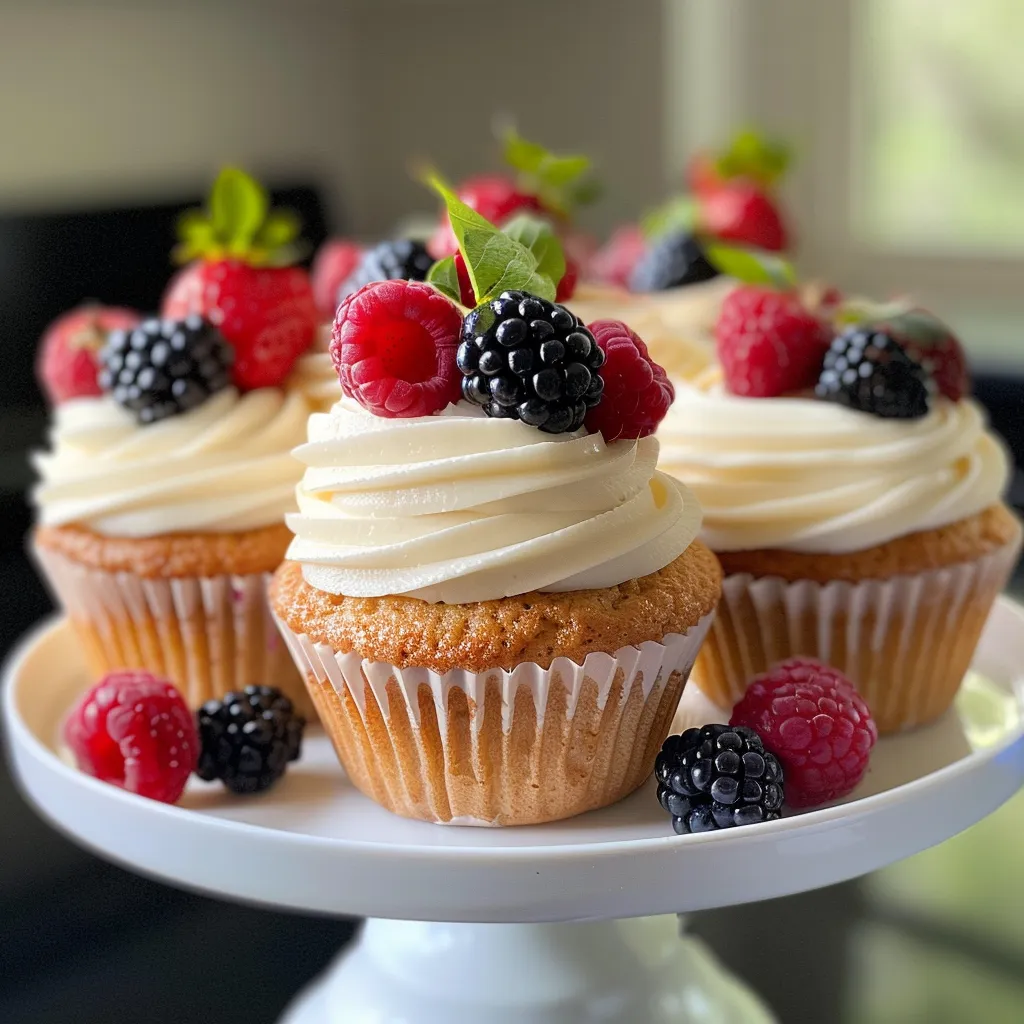
Detailed shot of delicious almond flour vanilla cupcakes, elegantly frosted and adorned with fresh fruit.

If you want to prepare these cupcakes in advance, here are some tips:

  • Prepare the batter ahead of time: You can mix the batter a day in advance and store it in the refrigerator. Just allow it to come to room temperature before baking.
  • Bake and freeze: Bake the cupcakes, let them cool completely, then freeze them in an airtight container for up to 3 months. Thaw before frosting and serving.
  • Frost ahead: If you plan to frost the cupcakes ahead of time, use a dairy-free frosting and store the frosted cupcakes in the refrigerator for up to 3 days.

Expert Tips for Vanilla Cupcakes with Almond Flour

To ensure your cupcakes turn out perfectly, keep these expert tips in mind:

  • Room temperature ingredients: Make sure your eggs and liquids are at room temperature for better emulsification, leading to a fluffier texture.
  • Gentle mixing: Avoid over-mixing the batter; overworking creates dense cupcakes instead of the light and fluffy ones you desire.
  • Accurate measuring: Use a kitchen scale or proper measuring cups to ensure you’re using the right amounts of almond flour and tapioca flour for the best results.
  • Test your oven: Oven temperatures can vary, so consider using an oven thermometer to ensure accurate baking temperatures.
  • Flavor variations: Feel free to experiment by adding lemon zest, cocoa powder, or spices for a unique twist on the classic vanilla flavor.
  • Cool completely: Allow your cupcakes to cool completely before frosting to prevent the frosting from melting.
  • Use quality ingredients: High-quality vanilla extract and fresh eggs make a noticeable difference in flavor.
  • Check for doneness: Always check your cupcakes a few minutes before the suggested baking time to avoid overbaking.

Common Mistakes and Troubleshooting

Even the best bakers can run into issues. Here’s how to troubleshoot common problems:

  • Dense cupcakes: This can occur from overmixing the batter or adding too much almond flour. Ensure you measure accurately and mix gently.
  • Dry cupcakes: If the cupcakes are dry, check that you’re using enough liquid and oil in the recipe. Also, avoid overbaking.
  • Uneven baking: Make sure to rotate your muffin tin halfway through baking if your oven has hot spots.
  • Frosting problems: If your frosting is too runny, add more powdered sugar; if too thick, add a bit of milk or cream until you reach the desired consistency.

Vanilla Cupcakes with Almond Flour Variations

Mix things up with these creative variations!

  • Chocolate Chip Almond Flour Cupcakes: Fold in 1/2 cup of dairy-free chocolate chips into the batter for a delightful chocolate treat.
  • Berry-Infused Cupcakes: Add 1 cup of fresh or frozen berries to the batter for a fruity twist.
  • Carrot Cake Cupcakes: Incorporate 1 cup of grated carrots and 1/2 teaspoon of cinnamon for a spiced carrot flavor.
  • Lemon Almond Cupcakes: Add the zest of one lemon and replace some coconut sugar with lemon juice for a refreshing citrus flavor.

How to Store and Freeze Vanilla Cupcakes with Almond Flour

Proper storage will keep your cupcakes fresh and delicious!

  • Room temperature storage: Keep unfrosted cupcakes in an airtight container at room temperature for up to 3 days.
  • Refrigeration: Frosted cupcakes can be stored in the refrigerator for up to 3 days. Cover them loosely to prevent drying out.
  • Freezing cupcakes: Freeze unfrosted cupcakes in an airtight container for up to 3 months. Thaw at room temperature before frosting and serving.

Comprehensive FAQ

Here are some common questions about baking vanilla cupcakes with almond flour:

  • Can I use almond meal instead of almond flour? Yes, but almond meal has a coarser texture, which may affect the final outcome.
  • Are these cupcakes suitable for a vegan diet? Yes! You can replace eggs with flax eggs for a vegan option.
  • How can I make these cupcakes nut-free? Substitute almond flour with oat flour or a gluten-free flour blend.
  • What type of frosting pairs well with these cupcakes? Dairy-free cream cheese frosting or a light vanilla buttercream are excellent choices.
  • Can I use different sweeteners? Absolutely! Maple syrup or agave nectar can be used in place of coconut sugar, but adjustments to liquid ingredients may be necessary.
  • How do I know when the cupcakes are done? Insert a toothpick in the center; if it comes out clean, they’re ready!
  • Can I double the recipe? Yes, you can double the ingredients to make a larger batch; just ensure your mixing bowl is large enough.
  • What if my cupcakes are too sweet? You can reduce the amount of coconut sugar in the recipe for a less sweet treat.

Nutritional Tips and Dietary Adaptations

These cupcakes can fit various dietary needs:

  • Low-Carb Option: Substitute coconut sugar with erythritol or stevia.
  • Dairy-Free: Use coconut milk and dairy-free frosting to keep it all dairy-free.
  • High-Protein Variation: Add a scoop of protein powder to the dry ingredients for a protein boost.

Equipment Recommendations

Here’s a list of essential tools to make your baking experience smooth:

  • Muffin tin: A standard 12-cup muffin tin is perfect for baking your cupcakes.
  • Mixing bowls: Use both large and medium bowls for mixing your dry and wet ingredients.
  • Whisk: A good whisk helps combine ingredients thoroughly.
  • Ice cream scoop: This tool makes filling cupcake liners mess-free.
  • Cooling rack: Essential for cooling your cupcakes evenly and quickly.

Serving Suggestions

Once your cupcakes are baked and frosted, consider these serving suggestions:

  • Fresh Berries: Serve with a side of fresh berries for a burst of flavor and color.
  • Tea or Coffee: These cupcakes pair beautifully with a warm cup of tea or coffee.
  • Ice Cream: Top with a scoop of dairy-free ice cream for an indulgent dessert experience.

Final Thoughts

There you have it—your ultimate guide to making irresistibly moist vanilla cupcakes with almond flour! With a few simple ingredients and a little love, you can create a delightful treat that everyone will enjoy. Remember, cooking is all about experimenting and having fun in the kitchen. So don’t be afraid to tweak this recipe to make it your own. Happy baking!

Delicious Vanilla Cupcakes with Almond Flour You’ll Love

Prep Time 15 minutes
Cook Time 20 minutes
Total Time 35 minutes
Servings 12 pieces
Calories 180
Enjoy these moist and flavorful vanilla cupcakes made with almond flour, perfect for a gluten-free treat.

Ingredients

dry ingredients

  • 2 cups blanched almond flour (substitute with cashew flour for different flavor)
  • 1/4 cup tapioca flour (can use arrowroot powder as alternative)
  • 1/4 cup coconut sugar (swap for regular granulated sugar or maple syrup)
  • 1 tbsp paleo baking powder (ensure it’s gluten-free)
  • 1/2 tsp baking soda (add more baking powder if needed)
  • 1/4 tsp salt (sea salt recommended for better flavor)

wet ingredients

  • 3 large eggs (can use flax eggs for vegan option)
  • 1/4 cup avocado oil (substitute with melted coconut oil if desired)
  • 1/2 cup coconut milk (or almond milk as substitute)
  • 1 tbsp vanilla extract (pure extract recommended for best taste)

frosting and garnish

  • to taste frosting of choice (dairy-free frosting or powdered sugar for a light finish)
  • a handful fresh berries (for garnish and added flavor)

Instructions 

  • Preheat oven to 350°F (175°C) and line a cupcake tin with paper liners.
  • Mix dry ingredients in a bowl and whisk together.
  • In a separate bowl, whisk eggs, oil, milk, and vanilla, then combine with dry ingredients.
  • Divide batter evenly into cupcake liners and bake for 20 minutes or until a toothpick comes out clean.
  • Allow cupcakes to cool, then frost and garnish with berries.

Notes

Ensure all ingredients are fresh for the best flavor and texture.
Calories: 180kcal
Cost: $15
Course: Dessert
Cuisine: American
Keyword: Almond Flour, cupcakes, vanilla

Welcome to the world of delicious, stress-free cooking! If you’re looking for a dish that not only satisfies your taste buds but also makes you feel like a culinary expert, then you’ve landed on the right page. This Baked Salmon with Lemon Herb Sauce is your ticket to an easy yet elegant weeknight dinner. With perfectly roasted potatoes and tender broccoli, this dish makes every bite a delight. Let’s dive into why you’ll absolutely love this recipe, and how to make it shine in your kitchen!

Why You’ll Love This Recipe

This baked salmon recipe is a true crowd-pleaser and offers numerous benefits that make it a must-try. Here are just a few reasons why you’ll want to keep this recipe on hand:

  • Quick and Easy: With a prep time of just 10 minutes and under 50 minutes total, you can have a delicious dinner on the table in no time.
  • Healthy and Nutritious: Salmon is packed with omega-3 fatty acids, which are great for heart health. Combined with fresh vegetables, this meal is both satisfying and nutritious.
  • One-Pan Wonder: Enjoy minimal cleanup with everything cooked on a single baking sheet, making dinner less of a chore!
  • Flavor Explosion: The lemon herb sauce brings a burst of flavor that elevates the salmon and veggies, making every bite a delight.
  • Customizable: Whether you’re catering to picky eaters or looking to impress guests, this recipe is versatile enough to fit any occasion.

Ingredients You’ll Need

Gathering the right ingredients is key to creating a delicious baked salmon. Here’s what you’ll need for this recipe:

  • 1 lb small gold potatoes: Cut into bite-sized pieces for even cooking.
  • Olive oil: A drizzle for roasting and flavor.
  • Garlic powder, salt, and pepper: Essential seasonings to enhance flavor.
  • 2–3 cups of broccoli florets: Fresh or baby broccoli adds vibrant color and nutrition.
  • 1–2 lbs salmon: Cut into 2-4 filets, ensuring even cooking.
  • 6–8 tablespoons butter: Adds richness to the sauce.
  • 1–2 cloves garlic: Minced for aromatic depth.
  • 1 shallot: Minced for sweetness.
  • 2–3 sprigs of fresh thyme: Infuses the sauce with a fragrant flavor.
  • 1/2 cup heavy cream: For a luxurious sauce.
  • 1/2 cup chicken broth: Adds depth to the sauce.
  • Juice of 1 lemon: The star of the dish, providing acidity and brightness.
  • 2 tablespoons chopped fresh parsley or basil: For garnish and added freshness.
  • Salt and pepper: To taste.

Feel free to customize your ingredients! Swap the potatoes for sweet potatoes or the broccoli for asparagus, depending on what you have on hand.

Step-by-Step Guide: How to Make Baked Salmon with Lemon Herb Sauce

Let’s break down the cooking process into simple steps. You’ll be amazed at how easy it is to whip up this dish!

  • Step 1: Preheat your oven to 400°F (200°C). Line a baking sheet with parchment paper for easy cleanup.
  • Step 2: Toss the potatoes with olive oil, garlic powder, salt, and pepper. Spread them evenly on the prepared baking sheet and roast for 25 minutes until they’re lightly golden and crispy.
  • Step 3: While the potatoes roast, melt butter in a saucepan over medium-low heat. Add garlic, shallot, and thyme sprigs; sauté for 3–5 minutes until soft and aromatic.
  • Step 4: Stir in chicken broth and cream, bringing the mixture to a gentle simmer. Let it thicken slightly, then remove the thyme sprigs.
  • Step 5: Whisk in lemon juice, parsley, salt, and pepper. Taste and adjust seasoning as desired.
  • Step 6: Add the broccoli and salmon filets to the same baking sheet as the potatoes. Drizzle or brush them with olive oil and season with salt and pepper.
  • Step 7: Return to the oven and bake for 10–15 minutes, or until the salmon flakes easily with a fork but remains moist.
  • Step 8: Plate the roasted potatoes, broccoli, and salmon. Generously drizzle the lemon herb sauce over everything. Garnish with fresh herbs and serve immediately.

Pro Tips for Perfect Baked Salmon

To help you nail this recipe every time, here are some expert insights:

  • Choose quality salmon: Look for fresh, wild-caught salmon for the best flavor and texture.
  • Don’t overcook: Salmon is done when it flakes easily with a fork. Keep an eye on it to avoid dryness.
  • Experiment with herbs: Feel free to swap thyme with dill or rosemary for a different flavor profile.
  • Let it rest: Allow the salmon to rest for a few minutes before serving for better texture.
  • Use a thermometer: For perfect doneness, aim for an internal temperature of 125°F (52°C) at the thickest part of the fish.
  • Make it a complete meal: Consider adding a grain like quinoa or rice for a heartier option.
  • Save the sauce: Leftover sauce can be used to drizzle over grilled chicken or vegetables.
  • Marinate ahead: For even more flavor, marinate the salmon in the herb sauce for up to an hour before baking.

Common Mistakes and Troubleshooting

Even the best of us make mistakes! Here are some common pitfalls and how to avoid them:

  • Overcooking the salmon: Always check for doneness a couple of minutes early; it’s better to undercook slightly than to overdo it.
  • Watery sauce: If your sauce is too thin, simmer it longer to thicken before drizzling over the salmon.
  • Unevenly cooked potatoes: Cut them into uniform sizes to ensure they cook evenly.
  • Too much seasoning: Always taste as you go to avoid overpowering the dish.

Variations to Try

This recipe is wonderfully versatile! Here are some easy variations:

  • Herb Variations: Substitute fresh herbs like dill, tarragon, or basil for a different flavor.
  • Vegetable Swaps: Use any seasonal vegetables you love—zucchini, bell peppers, or carrots work great!
  • Spicy Kick: Add a pinch of red pepper flakes to the sauce for a bit of heat.
  • Lemon Garlic Butter: Swap the herb sauce for a simple lemon garlic butter sauce for a rich twist.

Storage and Make-Ahead Instructions

This dish is perfect for meal prep! Here’s how to store and reheat:

  • Storing leftovers: Keep any leftovers in airtight containers in the fridge for up to 3 days.
  • Reheating: Reheat gently in the oven or microwave, being careful not to overcook the salmon.
  • Make-ahead option: Prepare the sauce in advance and store it in the fridge. Simply reheat and drizzle over when ready to serve.

Nutrition Tips and Dietary Adaptations

This recipe is naturally gluten-free and can be modified for various dietary preferences:

  • Paleo-friendly: Substitute heavy cream with coconut cream and use ghee instead of butter.
  • Dairy-free: Use almond milk or cashew cream in place of heavy cream.
  • Low-carb option: Skip the potatoes and increase the vegetable portions for a low-carb meal.

Equipment Recommendations

To make your cooking experience even smoother, here are some recommended tools:

  • Baking sheet: A sturdy, rimmed baking sheet is perfect for roasting your salmon and veggies.
  • Parchment paper: Helps prevent sticking and makes cleanup a breeze.
  • Sharp knife: For cutting your vegetables and salmon with ease.
  • Meat thermometer: Ensures perfect doneness every time you cook salmon.

Serving Suggestions

Pair your baked salmon with delicious sides for a complete meal:

  • Grain side: Serve with quinoa or brown rice for a filling dish.
  • Simple salad: A fresh green salad with a lemon vinaigrette complements the flavors beautifully.
  • Wine pairing: A chilled glass of white wine, such as Sauvignon Blanc, enhances the meal experience.

Common FAQs about Baked Salmon

Here are some frequently asked questions to help you along the way:

  • 1. Can I use frozen salmon? Yes, but be sure to thaw it completely before cooking.
  • 2. What if I don’t have fresh herbs? Dried herbs can be used, but reduce the quantity as they are more potent.
  • 3. How do I know when the salmon is cooked? Salmon is done when it flakes easily and has an internal temperature of 125°F (52°C).
  • 4. Can I make this dish in advance? Yes, you can prep the ingredients and cook them just before serving.
  • 5. What should I do with leftovers? Store leftovers in the fridge and enjoy them within 3 days, reheating gently.
  • 6. Is this recipe suitable for kids? Absolutely! The flavors are mild and appealing for young palates.
  • 7. Can I use different vegetables? Yes, feel free to swap in your favorites or whatever you have on hand.
  • 8. What’s a good side dish for this meal? Consider a light salad or a grain like quinoa for a well-rounded meal.

Now that you’re all set with this delicious and simple Baked Salmon with Lemon Herb Sauce recipe, it’s time to unleash your inner chef! Remember, cooking is all about enjoying the process and sharing wonderful meals with the ones you love. Happy cooking!

Baked Salmon with Lemon Herb Sauce

Prep Time 10 minutes
Cook Time 35 minutes
Total Time 45 minutes
Servings 4 servings
Calories 550
A delicious and healthy baked salmon dish paired with roasted potatoes and broccoli, topped with a flavorful lemon herb sauce.

Ingredients

Vegetables

  • 1 lb small gold potatoes, cut into bite-sized pieces
  • 2–3 cups broccoli florets (or baby broccoli)

Protein

  • 1–2 lbs salmon (cut into 2-4 filets)

Dairy & Oils

  • 6–8 tablespoons butter
  • 1–2 cloves garlic, minced
  • 1 shallot shallot, minced
  • 2–3 sprigs fresh thyme
  • 1/2 cup heavy cream
  • 1/2 cup chicken broth
  • Juice of 1 lemon lemon juice
  • 2 tablespoons chopped fresh parsley or basil

Seasonings

  • to taste salt and pepper

Instructions 

  • Preheat oven to 400°F (200°C). Roast potatoes for 25 minutes.
  • Melt butter, sauté garlic, shallot, and thyme for 3–5 minutes. Add broth and cream, simmer until slightly thickened. Remove thyme.
  • Whisk in lemon juice, parsley, salt, and pepper. Season salmon and broccoli, then bake everything together for 10–15 minutes.
  • Plate the roasted vegetables and salmon, drizzle with sauce, garnish, and serve immediately.

Notes

Ensure not to overcook the salmon to keep it moist.
Calories: 550kcal
Cost: $15
Course: Main Course
Cuisine: American
Keyword: Salmon

Are you ready to elevate your breakfast game? These banana oatmeal pancakes are not only delicious but also incredibly easy to make! With just a few simple ingredients, you can whip up a batch of these healthy pancakes that are perfect for busy mornings or a cozy brunch. Enjoy the natural sweetness of ripe bananas and the wholesome goodness of oats. Let’s dive into why you will love this recipe!

Why You’ll Love This Recipe

  • Quick and Easy: These pancakes come together in under 15 minutes, making them a great option for those hectic mornings.
  • Healthy Ingredients: Made with just ripe bananas, eggs, and oats, these pancakes are naturally gluten-free and packed with nutrients.
  • Kid-Friendly: Children love the sweet flavor of bananas, making these pancakes a hit with the little ones!
  • Customizable: Add your favorite mix-ins like nuts, berries, or spices to make them your own.
  • Freezer Friendly: Make a big batch, freeze them, and enjoy warm pancakes anytime you crave them!

Detailed Ingredient Breakdown

Understanding what goes into your pancakes is key to mastering the recipe. Here’s what you’ll need:

  • 2 ripe bananas: The riper the banana, the sweeter the pancakes will be. They also add moisture and flavor.
  • 2 eggs: These provide structure and help bind the ingredients. For a vegan option, substitute with flax eggs or applesauce.
  • 1 cup oats: Rolled oats work best. Adjust the amount if you prefer thicker pancakes.
  • Mix-ins: Feel free to experiment with vanilla, cinnamon, berries, or nuts for added flavor!

Step-by-Step Instructions

Follow these simple steps to create your banana oatmeal pancakes:

  1. In a mixing bowl, mash the ripe bananas until smooth.
  2. Add the eggs and mix well until combined.
  3. Stir in the oats until evenly distributed in the batter.
  4. Heat a non-stick skillet over medium heat and lightly grease it.
  5. Pour batter in small circles (about 1/4 cup each) onto the skillet.
  6. Cook until bubbles form on the surface, then flip and cook until golden brown.
  7. Serve warm with your favorite toppings!

Pro Tips for Perfect Pancakes

  • Use very ripe bananas: The sweetness and flavor of your pancakes will significantly improve.
  • Let the batter rest: Allow it to sit for a few minutes; this helps the oats absorb some moisture.
  • Don’t overcrowd the pan: Cook in batches for even cooking and easy flipping.
  • Adjust heat as needed: If pancakes are browning too quickly, lower the heat to ensure they cook through without burning.
  • Experiment with mix-ins: Add chocolate chips for a treat or spinach for added nutrition.
  • Use a blender: For an ultra-smooth batter, blend all ingredients together!
  • Keep them warm: Place cooked pancakes on a baking sheet in a warm oven while finishing the batch.
  • Store leftovers properly: Keep extras in an airtight container in the fridge or freezer for later!

Common Mistakes and Troubleshooting

Even the best cooks can encounter a few hiccups. Here are some common mistakes and how to avoid them:

  • Too thick or too runny batter: Adjust the oats or liquid as needed. A thick batter creates fluffier pancakes.
  • Pancakes sticking to the pan: Ensure your skillet is well-greased, and preheat it properly before pouring the batter.
  • Uneven cooking: Maintain consistent heat and don’t overcrowd the pan.
  • Dry pancakes: Make sure to mash the bananas well and consider adding a splash of milk if the batter seems dry.

Variations to Try

Want to switch things up? Here are some delicious variations to try:

  • Chocolate Chip Banana Oatmeal Pancakes: Stir in chocolate chips for a sweet twist.
  • Blueberry Banana Oatmeal Pancakes: Fold in fresh or frozen blueberries for a fruity flavor.
  • Peanut Butter Banana Oatmeal Pancakes: Add a tablespoon of peanut butter to the batter for a nutty taste.
  • Spiced Banana Oatmeal Pancakes: Incorporate cinnamon or nutmeg for a warm, comforting flavor.

Storage and Make-Ahead Instructions

Want to make these pancakes ahead of time? Here’s how:

  • Refrigerate: Store in an airtight container in the fridge for up to 3 days.
  • Freeze: Place cooked pancakes in a single layer on a baking sheet, freeze until solid, then transfer to a freezer bag. They can be frozen for up to 2 months.
  • Reheat: To reheat, simply pop them in the toaster or microwave until warmed through.

Comprehensive FAQs

Got questions? We’ve got answers!

  • Can I use quick oats instead of rolled oats? Yes, but the texture may differ slightly.
  • Can I make these pancakes without a blender? Absolutely! Just mash the ingredients well by hand.
  • Are these pancakes suitable for toddlers? Yes, they are healthy and soft, making them a great choice for little ones.
  • How can I make these pancakes vegan? Substitute eggs with flax eggs or applesauce.
  • What toppings do you recommend? Maple syrup, fresh fruit, or yogurt are all great choices!
  • Can I add protein powder? Yes! Just reduce the oats slightly to maintain the texture.
  • Can I double the recipe? Definitely! Just adjust the ingredients accordingly.
  • How can I keep pancakes warm while cooking? Place them in a warm oven (around 200°F) on a baking sheet.

Nutrition Tips and Dietary Adaptations

Here are some tips to make your pancakes even healthier:

  • Gluten-Free: Ensure your oats are certified gluten-free.
  • Add Protein: Mix in some protein powder or serve with Greek yogurt for an extra protein boost.
  • Fiber Boost: Consider adding ground flaxseed or chia seeds to the batter.
  • Reduce Sugar: The natural sweetness of the bananas often means you don’t need added sugar.

Equipment Recommendations

Having the right tools makes cooking easier:

  • Non-stick skillet: Essential for easy flipping and minimal sticking.
  • Mixing bowls: A set of various sizes will help you easily prepare the batter.
  • Measuring cups and spoons: Accurate measurements lead to better results!
  • Blender (optional): For a smooth batter, especially if you want to incorporate additional ingredients.

Serving Suggestions

These pancakes are versatile and can be served in various ways:

  • Classic: Serve with maple syrup and fresh fruit.
  • Healthy Twist: Top with Greek yogurt and a sprinkle of nuts for added crunch.
  • Decadent: Add whipped cream and chocolate sauce for a special treat.
  • Savory Style: Try topping them with avocado and poached eggs for a savory breakfast option.

Now that you have the complete guide to making the best banana oatmeal pancakes, get cooking and enjoy a delightful breakfast that is sure to impress! Remember, cooking is all about having fun and experimenting, so feel free to make this recipe your own. Happy cooking!

Healthy Banana Oatmeal Pancakes

Prep Time 5 minutes
Cook Time 10 minutes
Total Time 15 minutes
Servings 4 pancakes
Calories 250
Enjoy these nutritious and easy-to-make banana oatmeal pancakes, perfect for a quick breakfast or snack.

Ingredients

Main

  • 2 pcs ripe bananas (The riper the banana, the sweeter the pancakes will be.)
  • 2 pcs eggs (Can be substituted with flax eggs or applesauce for a vegan option.)
  • 1 cup oats (Adjust amount for thicker pancakes.)
  • to taste mix-ins (vanilla, cinnamon, berries, nuts, etc.) (Experiment with various toppings for added flavor.)

Instructions 

  • In a bowl, mash the bananas and whisk in the eggs.
  • Stir in the oats and mix-ins as desired.
  • Heat a non-stick skillet over medium heat and pour batter to form pancakes.
  • Cook for 2-3 minutes per side until golden brown.
  • Serve warm with your favorite toppings.

Notes

For extra flavor, add a dash of cinnamon or vanilla extract to the batter.
Calories: 250kcal
Cost: $8
Course: Breakfast
Cuisine: American
Keyword: Banana