
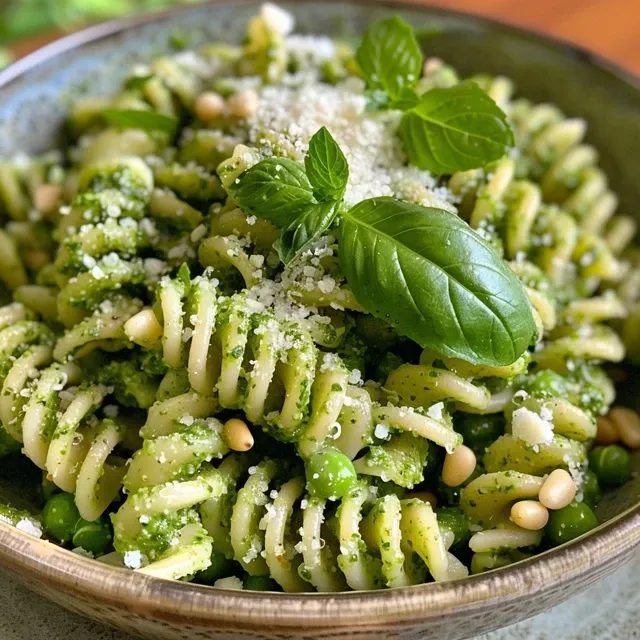
Unleash the Flavor of Spring with This Pesto Pasta Recipe
Spring brings a vibrant burst of flavors, and what better way to celebrate than with a delightful dish of Fresh Spring Pesto Pasta with peas and mint? In this article, I’ll guide you through crafting a pasta that not only dazzles with color but also tantalizes your taste buds. This recipe is perfect for busy weeknights or when you want to impress guests without the fuss. Let’s dive in and discover why this dish is a must-try!
Why You’ll Love This Recipe
There are countless reasons to fall in love with this Spring Pesto Pasta. Here are just a few:
- Quick & Easy: Ready in under 30 minutes, making it ideal for hectic weeknights.
- Fresh Ingredients: Utilizes seasonal ingredients like peas and mint for a refreshing taste.
- Versatile: You can easily adapt this recipe to suit your dietary preferences or what you have on hand.
- Nutritious: Packed with fresh herbs and vegetables, it’s a healthy meal option.
- Impressive Presentation: The vibrant colors make it a stunning addition to any table setting.
Ingredients Breakdown
Here’s what you’ll need to make this delicious pasta:
- 2 cups fresh basil leaves: The backbone of your pesto, providing aromatic flavor.
- 1/2 cup fresh mint leaves: Adds a refreshing twist that complements the basil.
- 1 cup fresh or frozen peas: Sweet and vibrant; if using frozen, make sure to thaw them first.
- 1/4 cup toasted pine nuts: For a nutty flavor and creamy texture in the pesto.
- 1/2 cup freshly grated Parmesan cheese: Essential for that rich, savory taste.
- 2 cloves garlic, minced: Enhances the overall flavor profile.
- 1/2 cup extra virgin olive oil: Brings everything together and adds richness.
- Salt and freshly ground black pepper: To taste, enhancing all the flavors.
- 12 ounces pasta of choice: Linguine or spaghetti works best, but feel free to use your favorite.
- Optional garnish: Extra grated Parmesan, fresh mint leaves, and toasted pine nuts for serving.
Preparation Steps
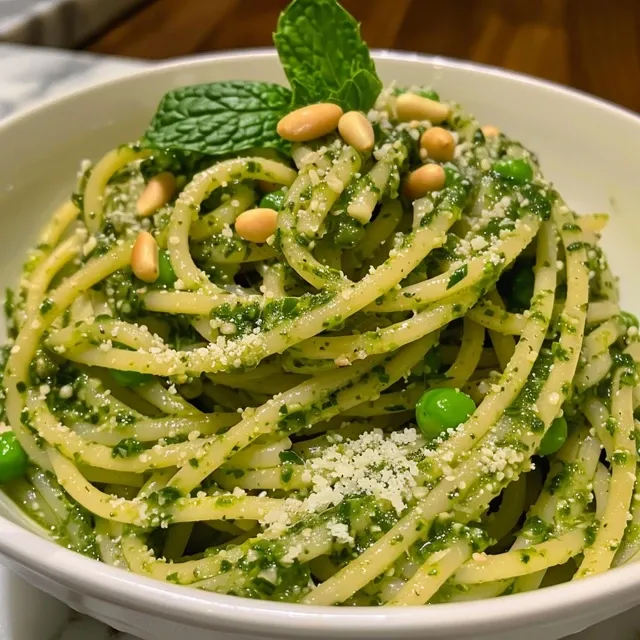
Now that we have everything ready, let’s get cooking:
- Bring a large pot of salted water to a boil (about 1 tablespoon of salt per 4 quarts of water). Add the pasta and cook according to package instructions until al dente, usually 8-10 minutes. Be sure to reserve 1 cup of pasta cooking water before draining.
- In the last 2-3 minutes of cooking time, add the peas to the boiling water. Drain the pasta and peas together, reserving some cooking liquid.
- In a food processor, combine the basil, mint, toasted pine nuts, Parmesan cheese, minced garlic, and the cooked peas. Pulse a few times to start breaking down the ingredients.
- While the processor is running, slowly pour in the olive oil until the mixture becomes a smooth, vibrant green sauce. If the pesto is too thick, add a tablespoon or two of reserved pasta water to loosen it. Season with salt and pepper to taste.
- Return the drained pasta and peas to the pot or a large mixing bowl. Add the pesto and toss gently to coat every strand. Use a splash of reserved pasta water if needed to create a silky sauce.
- Plate the pasta and garnish with extra grated Parmesan, a few fresh mint leaves, and toasted pine nuts. Serve immediately and enjoy!
Pro Tips for Perfecting Your Pesto Pasta
Here are some expert insights to elevate your dish:
- Toast Your Nuts: Lightly toasting pine nuts enhances their flavor and adds depth to your pesto.
- Don’t Overblend: For a rustic texture, pulse the ingredients rather than blending until completely smooth.
- Season Gradually: Taste as you go and adjust salt and pepper to your preference.
- Use Pasta Water Wisely: The starchy water helps create a creamy sauce that clings to the pasta.
- Experiment with Herbs: Feel free to mix in other herbs like parsley or cilantro for a different flavor profile.
- Make It Vegan: Substitute nutritional yeast for Parmesan and use your favorite plant-based pasta.
- Adjust the Consistency: If the pesto is too thick, add more olive oil or pasta water until you reach your desired consistency.
- Make Ahead: Prepare the pesto in advance and store it in the fridge for up to a week.
Common Mistakes and Troubleshooting
Even the best cooks make mistakes! Here’s how to troubleshoot common issues:
- Pesto Too Bitter: This can happen if too much garlic is used. Balance it with a bit more olive oil and cheese.
- Overcooked Pasta: Always follow the package instructions and check for doneness a minute or two before the timer goes off.
- Flavor Lacking: If your dish tastes flat, it might need more salt or lemon juice for brightness.
- Pesto Turns Brown: To prevent oxidation, toss the pesto with the pasta immediately after making it or store it with a thin layer of olive oil on top.
Variations to Try
Want to switch things up? Here are some delicious variations:
- Nut-Free Pesto: Replace pine nuts with sunflower seeds or skip nuts entirely for an allergy-friendly version.
- Whole Wheat Pasta: For a healthier option, use whole wheat or gluten-free pasta.
- Add Protein: Toss in grilled chicken, shrimp, or chickpeas for added protein and heartiness.
- Vegetable Boost: Mix in roasted veggies like zucchini, bell peppers, or asparagus for extra nutrition.
Storage and Make-Ahead Instructions
This dish is not only quick to prepare but also convenient for meal prep:
- Refrigeration: Store any leftovers in an airtight container in the fridge for up to 3 days.
- Freezing: You can freeze the pesto separately for up to 2 months. Just thaw and toss with freshly cooked pasta when ready to enjoy.
- Make-Ahead: Prepare the pesto in advance and store it in the fridge, keeping it fresh with a thin layer of olive oil on top.
Frequently Asked Questions
Here are some common questions to help you along the way:
- Can I use frozen peas? Yes, just make sure they are thawed before adding them to the pesto.
- What pasta works best for this recipe? Linguine or spaghetti are recommended, but feel free to use your favorite type.
- Can I make the pesto ahead of time? Absolutely! It can be stored in the fridge for up to a week.
- Is this dish gluten-free? You can easily make this dish gluten-free by using gluten-free pasta.
- How do I store leftovers? Keep leftovers in an airtight container in the fridge for up to 3 days.
- What if my pesto is too thick? Add a bit of reserved pasta water or olive oil to loosen it up.
- Can I substitute the Parmesan? Yes, you can use nutritional yeast for a vegan option.
- How can I add more flavor? Incorporate lemon juice or zest for a bright flavor kick.
Nutritional Tips and Dietary Adaptations
To make this dish even healthier:
- Increase Veggies: Add more greens or roasted vegetables for added fiber and vitamins.
- Use Whole Foods: Opt for whole grain pasta for extra nutrients and fiber.
- Watch Portion Sizes: For a lighter meal, consider serving with a side salad or steamed vegetables.
Equipment Recommendations
To prepare this dish, here’s what I recommend:
- Large Pot: For boiling pasta and peas.
- Food Processor: Essential for making the pesto.
- Measuring Cups and Spoons: For accurate ingredient measurements.
- Colander: To drain the pasta and peas efficiently.
Serving Suggestions
Once you’ve plated your pasta, consider these serving ideas:
- Accompany with Salad: A light arugula salad drizzled with balsamic vinaigrette pairs perfectly.
- Wine Pairing: A crisp white wine, like Sauvignon Blanc, complements the freshness of the dish.
- Garnish Creatively: Add edible flowers or lemon zest for a stunning presentation.
Conclusion: Your Culinary Adventure Awaits!
Cooking should be enjoyable, and this Fresh Spring Pesto Pasta embodies that philosophy. With its vibrant colors, delightful flavors, and simple preparation, it’s a dish that invites creativity and confidence in the kitchen. So gather your ingredients, invite a friend, and let’s make something delicious together!